Why It Matters
The closure underscores how escalating overheads are forcing small UK fashion retailers out of business, tightening an already competitive market. It also signals that the April 2026 business‑rates revaluation could accelerate similar exits across the sector.
Key Takeaways
- •Muse Boutique shut after 15 years in Bishop’s Stortford.
- •Owner cites rising wages, energy costs, and business rates as unsustainable.
- •UK business rates hike adds roughly $4.3 bn to retailers' tax burden.
- •Drapers survey shows 75.8% of independents hit by wage and energy spikes.
- •Closure highlights fragility of small fashion retailers amid cost inflation.
Pulse Analysis
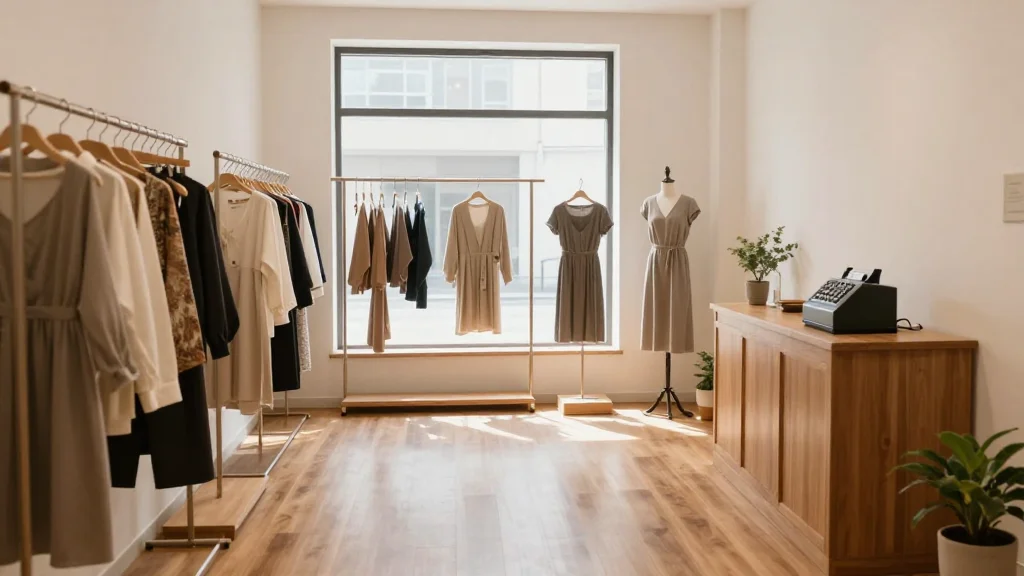
Muse Boutique, a staple of Bishop’s Stortford’s town centre since 2011, announced on Instagram that it will cease trading after 15 years. The independent shop, known for curating brands such as Vila and Micha, also deactivated its online storefront, confirming a full shutdown. Founder Dawn Larn emphasized that the decision was not taken lightly, thanking loyal customers for their support. While the closure affects a single storefront, it reflects a growing vulnerability among UK independents that rely on niche product mixes and limited scale to survive.
The boutique’s plight aligns with Drapers’ 2025 survey, which found 75.8 % of independent fashion retailers grappling with wage inflation and energy price spikes, while 58.1 % flagged business rates as a critical burden. A new business‑rates revaluation effective 1 April 2026 lifted the collective tax load by £3.4 bn—about $4.3 bn—to £37.1 bn ($46.4 bn) for the 2026/27 fiscal year. For small operators with thin margins, such a jump can turn a viable shop into a loss‑making venture overnight.
Industry analysts warn that the current cost environment could trigger a cascade of closures among boutique retailers, reshaping the UK fashion landscape toward larger chains and online platforms that can absorb higher overheads. Policymakers face pressure to revisit the business‑rates formula or introduce targeted relief for independents to preserve retail diversity and local employment. Meanwhile, surviving shops are exploring adaptive measures—such as pop‑up concepts, collaborative buying groups, and digital‑first strategies—to mitigate expense pressures and retain relevance in a tightening market.
Hertfordshire indie closes after 15 years
Comments
Want to join the conversation?
Loading comments...