How Brits Are Redefining Shopping Habits
•March 10, 2026
0
Why It Matters
The shift forces retailers to prioritize omnichannel strategies, social commerce, and authenticity to retain relevance, while low AI trust signals a need for human‑centric engagement.
Key Takeaways
- •Online purchases rose 29% year‑over‑year
- •Second‑hand clothing visits up to 29% of shoppers
- •TV ads still drive 33% of purchase decisions
- •Only 12% trust AI product recommendations
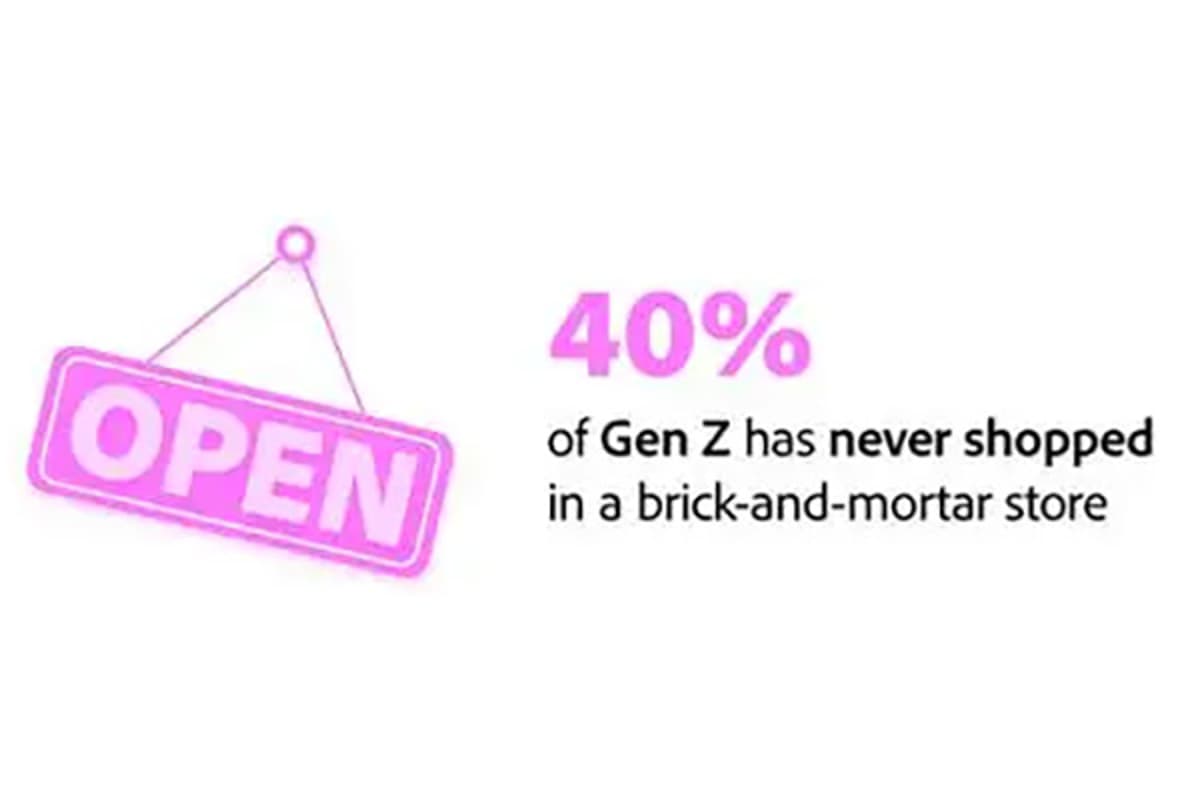
- •Gen Z half avoid brick‑and‑mortar stores
Pulse Analysis
The UK retail landscape is moving beyond a single‑channel mindset, as consumers increasingly stitch together physical, digital, and social experiences. Growth in online buying, now up 29% year‑over‑year, reflects heightened expectations for speed and price, while the resurgence of second‑hand clothing—up 29%—signals a sustainability‑driven value shift. Retailers that can seamlessly integrate e‑commerce, in‑store touchpoints, and resale options will capture the most engaged shoppers.
Marketing tactics must adapt to a paradoxical reality: traditional TV advertising still commands the highest influence, guiding 33% of purchase decisions, even as social media commerce surges among younger cohorts. Brands should balance high‑impact TV spots with targeted social campaigns, leveraging creators and shareable content to reach Millennials and Gen Z, who report a 78% increase in social shopping. Meanwhile, the stark distrust of AI recommendations—only 12% confidence—underscores the importance of tangible trust‑builders like free samples, which 37% of respondents cite as the most persuasive incentive.
Granular segmentation reveals divergent preferences across gender, age, and region. Women are returning to brick‑and‑mortar stores and leading social commerce adoption, whereas men favor fewer ads and still respond strongly to TV. Gen Z largely bypasses physical stores, while Gen X and Baby Boomers remain TV‑oriented. Regional nuances, such as London’s appetite for social shopping versus Eastern England’s hesitancy, demand localized messaging. Brands that harness these insights—customizing channel mixes, emphasizing authenticity, and monitoring regional trends—will stay ahead in a fast‑evolving market.
How Brits are redefining shopping habits
0
Comments
Want to join the conversation?
Loading comments...