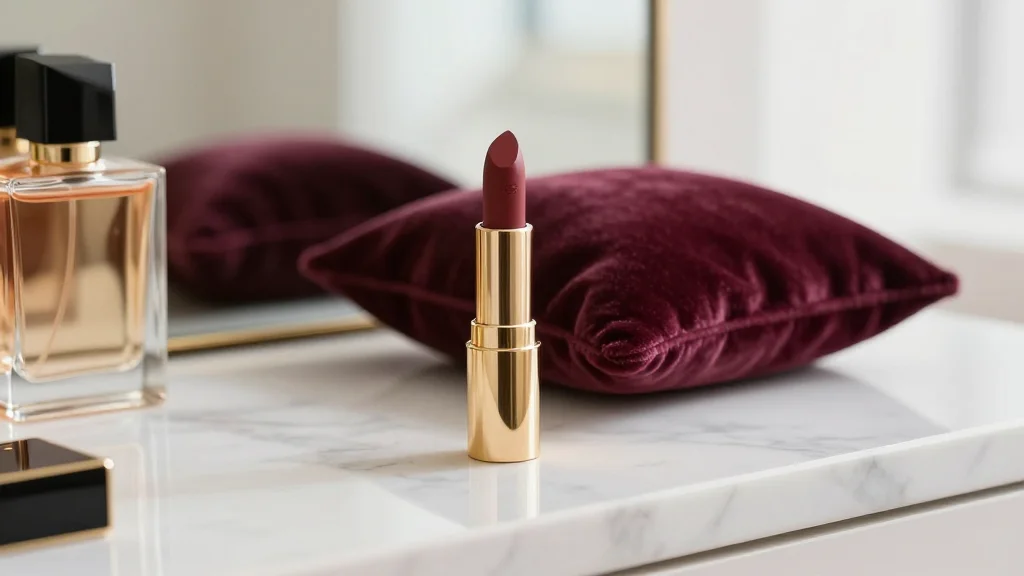
How Is MAC Cosmetics Doing at Sephora?
Companies Mentioned
Why It Matters
The MAC‑Sephora partnership drives fresh traffic and expands demographic reach for both parties, while strengthening Estée Lauder’s strategic position in a pending industry‑shaping merger.
Key Takeaways
- •73% of MAC shoppers at Sephora were first‑time MAC buyers
- •MAC attracted 59% more Black shoppers than Sephora’s overall makeup category
- •Customers 65+ were 22% more represented among MAC buyers
- •MAC became #1 lip brand at Sephora‑at‑Kohl’s, beating Fenty Beauty
- •Lauder‑Puig merger would create $20 billion premium beauty powerhouse
Pulse Analysis
MAC Cosmetics entered Sephora’s ecosystem on March 2, 2026, marking the brand’s first appearance in the retailer after four decades of exclusive distribution. The line populated roughly 100 standalone Sephora stores and more than 850 Sephora‑at‑Kohl’s locations, quickly climbing to the fifth‑ranked makeup brand at the latter and nineteenth overall. YipitData’s analysis of receipt and card‑transaction data shows that 73 % of shoppers buying MAC at Sephora were new to the brand, while a third were first‑time Sephora customers, underscoring a strong cross‑pollination effect. The early traction also boosted overall Sephora footfall during the launch weekend. The partnership reshaped Sephora’s demographic profile.
Black shoppers were 59 % more represented among MAC buyers than the retailer’s average makeup buyer, and Hispanic, Asian and even male shoppers showed higher participation. Older consumers, particularly those 65 and above, were 22 % over‑indexed, suggesting MAC’s appeal to a mature segment that Sephora has been courting through its “Sephora kids” and Gen Alpha initiatives. In the Sephora‑at‑Kohl’s channel MAC seized the top spot in lip products, outpacing Fenty Beauty and Summer Fridays, which could translate into sustained foot traffic and larger baskets. These shifts hint at longer‑term loyalty gains for both brands.
MAC’s success strengthens Estée Lauder Companies’ position ahead of its potential merger with Spain’s Puig. A combined Lauder‑Puig entity would generate just over $20 billion in annual sales, creating the world’s largest premium beauty conglomerate. The MAC‑Sephora experiment shows how legacy brands can expand distribution without diluting prestige, a playbook a merged powerhouse can use to scale across department stores and mass‑market channels. As consolidation accelerates, data‑driven insights from firms like YipitData will guide partnership strategies and protect shareholder value. Analysts expect the merged entity to leverage such collaborations for global growth.
How Is MAC Cosmetics Doing at Sephora?
Comments
Want to join the conversation?
Loading comments...