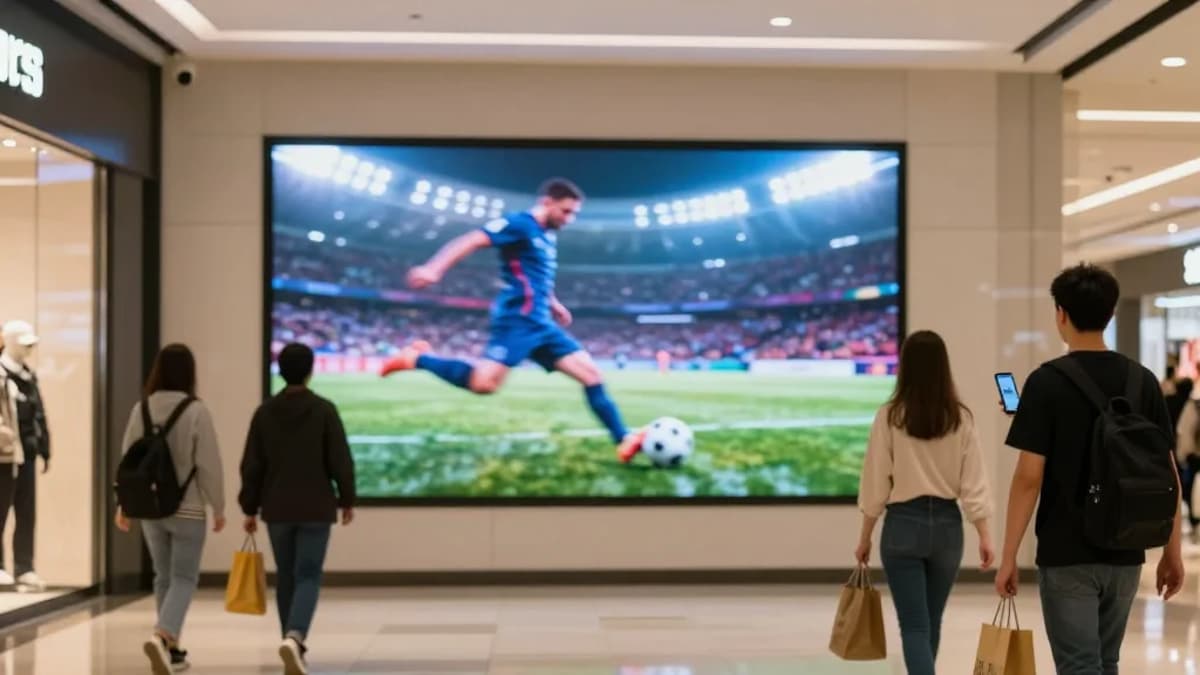
How Major Sporting Events Shape Retail Promotions and Customer Footfall
•March 6, 2026
0
Why It Matters
Understanding these patterns lets retailers boost revenue and optimize operations around high‑visibility moments, giving them a competitive edge in a crowded market.
Key Takeaways
- •Pre‑event shopping spikes increase snack and beverage demand.
- •In‑store traffic drops at kickoff, online orders rise.
- •Post‑match footfall rebounds, driving convenience purchases.
- •Targeted bundles raise basket size and conversion rates.
- •Real‑time analytics improve staffing and inventory allocation.
Pulse Analysis
Major sporting spectacles have become de‑facto shopping calendars for retailers, turning fan enthusiasm into measurable commercial activity. When millions tune in, the collective mood shifts toward communal consumption—snacks, drinks, and branded merchandise become extensions of the viewing experience. This behavioral surge is not limited to brick‑and‑mortar locations; digital platforms see a parallel lift as consumers order delivery or click‑and‑collect to avoid missing key moments. By mapping viewership data to local demographics, retailers can predict which categories will outperform baseline sales and allocate marketing spend with surgical precision. Retailers that synchronize promotions with prime‑time slots capture the highest engagement rates.
Operational agility is the linchpin of a successful event‑driven campaign. Forecasting models that ingest historical sales, weather patterns, and ticket sales enable stores to fine‑tune staffing levels, ensuring aisles are manned during pre‑match rushes and that quiet periods at kickoff do not waste labor hours. Inventory planners collaborate with suppliers to secure flexible case sizes and rapid replenishment for high‑velocity items such as chilled beverages and ready‑to‑eat meals. In‑store merchandising—eye‑level end‑caps, digital signage, and themed displays—converts impulse traffic into higher basket values while preserving shelf availability. Real‑time dashboards also alert managers to unexpected surges, allowing on‑the‑fly adjustments.
Quantifying the impact of sport‑linked promotions requires a multi‑metric approach. Incremental sales, margin contribution, average transaction value, and footfall‑to‑conversion ratios together reveal whether uplift stems from new demand or category cannibalisation. Post‑event analytics feed back into machine‑learning algorithms, sharpening future demand forecasts and informing sponsorship decisions. As retailers increasingly blend physical and online touchpoints, integrating real‑time data streams with loyalty programs can deliver personalized offers that arrive just before a match begins, cementing brand relevance and driving repeat business long after the final whistle. This closed‑loop feedback loop strengthens brand loyalty and informs cross‑channel campaigns.
How major sporting events shape retail promotions and customer footfall
0
Comments
Want to join the conversation?
Loading comments...