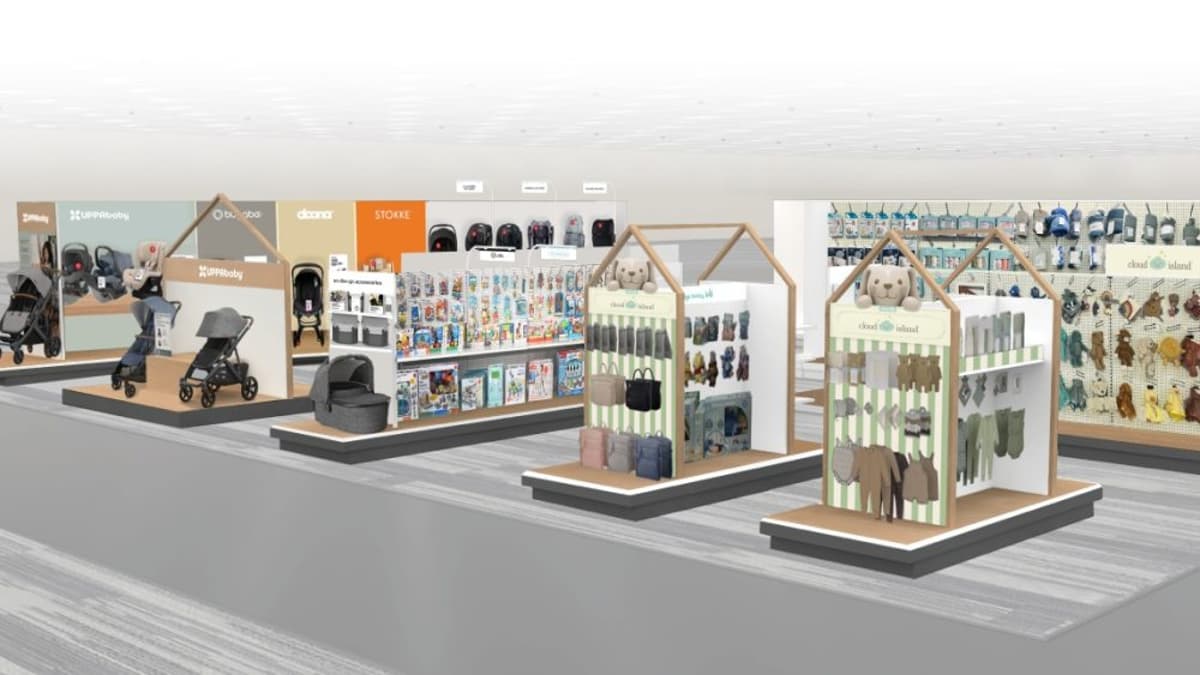
How Target Plans to Own the Baby Category as It Rolls Out New In-Store Displays
Why It Matters
By turning the baby aisle into a destination, Target aims to win high‑margin share in a category lacking a dedicated retailer, driving both foot traffic and loyalty among new parents.
Key Takeaways
- •Target introduced Baby Boutiques in 200 stores across 37 states
- •Crib displays removed; space repurposed for fast‑turning, premium items
- •Over 2,000 new baby products added, including premium stroller brands
- •Free 30‑minute Baby Concierge consultations now offered in‑store
- •Baby category seen as untapped growth opportunity for Target
Pulse Analysis
Target’s new Baby Boutiques reflect a strategic pivot toward experiential retail in a category that has been largely orphaned by the collapse of specialty chains like Babies R Us and Buy Buy Baby. By eliminating static crib displays—products that shoppers increasingly research online—Target frees valuable floor space for high‑turn items such as strollers, car seats, and interactive demo stations. The boutique format, now live in 200 locations, gives parents a tactile experience that mirrors the showroom feel of premium brands while still leveraging Target’s price‑competitive advantage.
The assortment overhaul adds more than 2,000 SKUs, spanning upscale names like Uppababy, Bugaboo, Stokke and Doona, as well as fast‑growing DTC brands such as Wildbird and Tubby Todd. Health‑focused products have also been amplified, with Genexa’s "Baby’s First Sick Day" bundle and Playhouse MD’s kid‑friendly medical accessories now stocked alongside traditional essentials. Complementing the product mix, Tot Squad’s Baby Concierge service offers free 30‑minute in‑store consultations, turning the aisle into a one‑stop parenting hub that blends retail with personalized advice.
For Target, the baby aisle is more than a merchandising tweak; it’s a cornerstone of the broader turnaround under CEO Michael Fiddelke. Capturing the baby market—estimated at over $12 billion in U.S. spend—fills a white‑space that competitors have left vacant, potentially boosting same‑store sales and increasing basket size through cross‑category purchases. If the boutique model drives the projected traffic and loyalty gains, it could set a template for other under‑served categories, reinforcing Target’s shift from discount retailer to a destination for life‑stage shopping.
How Target plans to own the baby category as it rolls out new in-store displays
Comments
Want to join the conversation?
Loading comments...