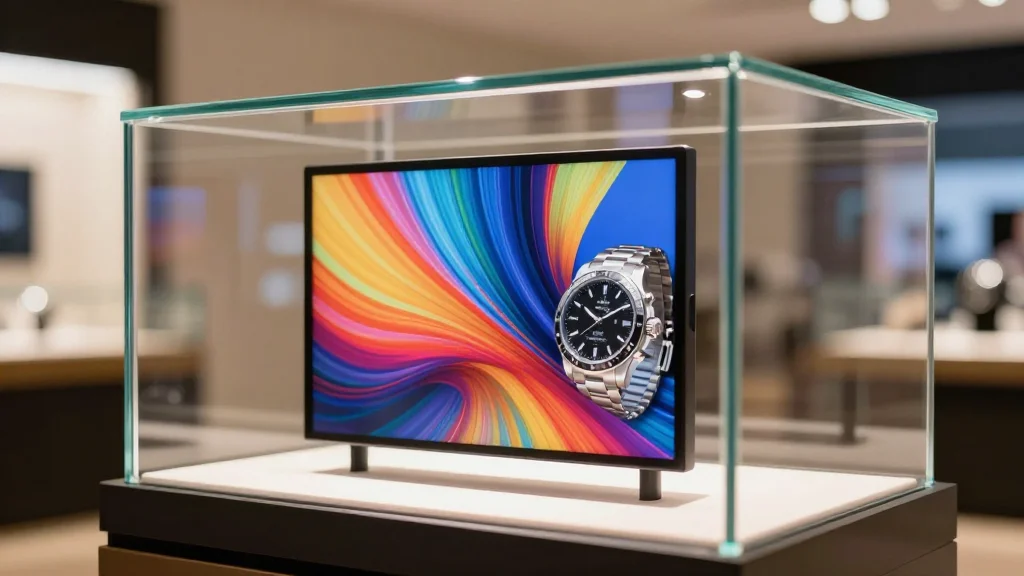
How Transparent OLED Is Transforming Retail Display Design
Why It Matters
The shift to transparent OLED elevates brand storytelling and shopper engagement, driving higher conversion rates in premium retail environments. Its thin form factor and interactive capabilities also open new revenue streams for digital signage providers.
Key Takeaways
- •Transparent OLED displays replace traditional LCDs in luxury retail
- •Sizes range from 30‑inch to 77‑inch for counters to exhibitions
- •Ultra‑thin glass integration creates seamless, weight‑free visual installations
- •Touch, AI avatars, and voice enable interactive shopper experiences
- •High contrast and vivid colors boost product visibility and sales
Pulse Analysis
Transparent OLED panels are redefining visual merchandising by merging the physical and digital realms. Retailers, from high‑end fashion boutiques to museum gift shops, are opting for see‑through screens that showcase products without obscuring them, creating a premium, open‑air aesthetic. This technology’s ability to render deep blacks and vibrant colors while remaining transparent gives brands a novel canvas for storytelling, encouraging longer dwell times and higher impulse purchases.
Beyond aesthetics, the engineering behind transparent OLED offers practical advantages. The ultra‑thin architecture—often thinner than a millimeter—lets designers embed displays directly into glass façades, showcase cases, or even vehicle windshields without compromising structural integrity. Size flexibility, spanning 30‑inch countertop units to 77‑inch exhibition walls, means the same core technology can serve diverse applications, from point‑of‑sale kiosks to large‑scale interactive installations. The lack of a traditional backlight reduces power consumption and heat, aligning with sustainability goals increasingly important to corporate buyers.
Interactivity is the next frontier driving adoption. Modern transparent OLED units support multi‑touch, AI‑generated digital humans, and voice‑activated navigation, turning static windows into dynamic, conversational experiences. Shoppers can tap a screen to view product specs, watch brand videos, or even converse with a virtual assistant, blurring the line between online and offline shopping. As AI and edge‑computing become more affordable, these capabilities will scale, positioning transparent OLED as a cornerstone of the smart‑store ecosystem and a catalyst for higher sales conversion rates.
How Transparent OLED Is Transforming Retail Display Design
Comments
Want to join the conversation?
Loading comments...