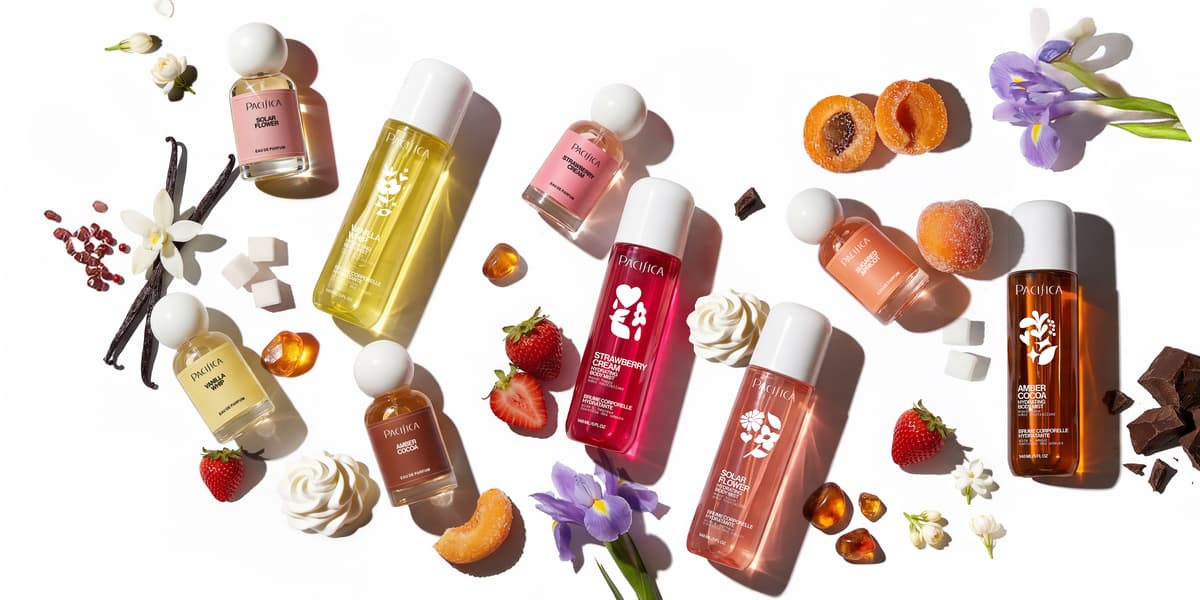
Why It Matters
By capturing beauty shoppers, Walmart taps a high‑margin category, reshaping the U.S. retail beauty landscape and pressuring rivals. The shift could accelerate consolidation of beauty distribution toward mass retailers.
Key Takeaways
- •Walmart added 1,200 new beauty SKUs.
- •Target's beauty sales fell 8% YoY.
- •Walmart's private-label beauty line grew 25% Q2.
- •In‑store beauty hubs increased foot traffic 15%.
- •Partnerships with Glossier, Victoria Beckham boost prestige.
Pulse Analysis
The U.S. beauty market, traditionally dominated by specialty retailers and department stores, is undergoing a seismic shift as mass merchants vie for a larger share of consumer spend. Walmart’s recent expansion—adding more than a thousand new SKUs and creating dedicated beauty sections—reflects a broader industry trend toward consolidating high‑margin categories under one roof. By leveraging its extensive distribution network and price‑competitive positioning, Walmart is attracting both value‑driven shoppers and those seeking premium products, effectively blurring the line between discount and luxury segments.
Central to Walmart’s strategy is the development of private‑label offerings and high‑profile brand collaborations. The retailer’s own beauty line, which grew 25% in the latest quarter, benefits from aggressive pricing and shelf‑space priority, while partnerships with Glossier’s new perfume line and Victoria Beckham’s expanding portfolio add aspirational cachet. In‑store beauty hubs, staffed with trained consultants, enhance the experiential component, driving a 15% lift in foot traffic and encouraging cross‑category purchases. Moreover, Walmart’s omnichannel capabilities—such as buy‑online‑pick‑up‑in‑store and seamless mobile integration—provide a frictionless shopper journey that rivals specialty chains.
The ramifications for the broader retail ecosystem are significant. As Walmart captures a larger slice of beauty spend, competitors like Target and traditional beauty retailers face mounting pressure to innovate or risk losing relevance. Industry analysts predict further consolidation, with brands gravitating toward retailers that can deliver scale, data insights, and integrated marketing. Walmart’s aggressive push signals that mass retailers are no longer peripheral players in beauty; they are emerging as central distribution hubs reshaping consumer expectations and supplier dynamics.
How Walmart became a beauty destination
0
Comments
Want to join the conversation?
Loading comments...