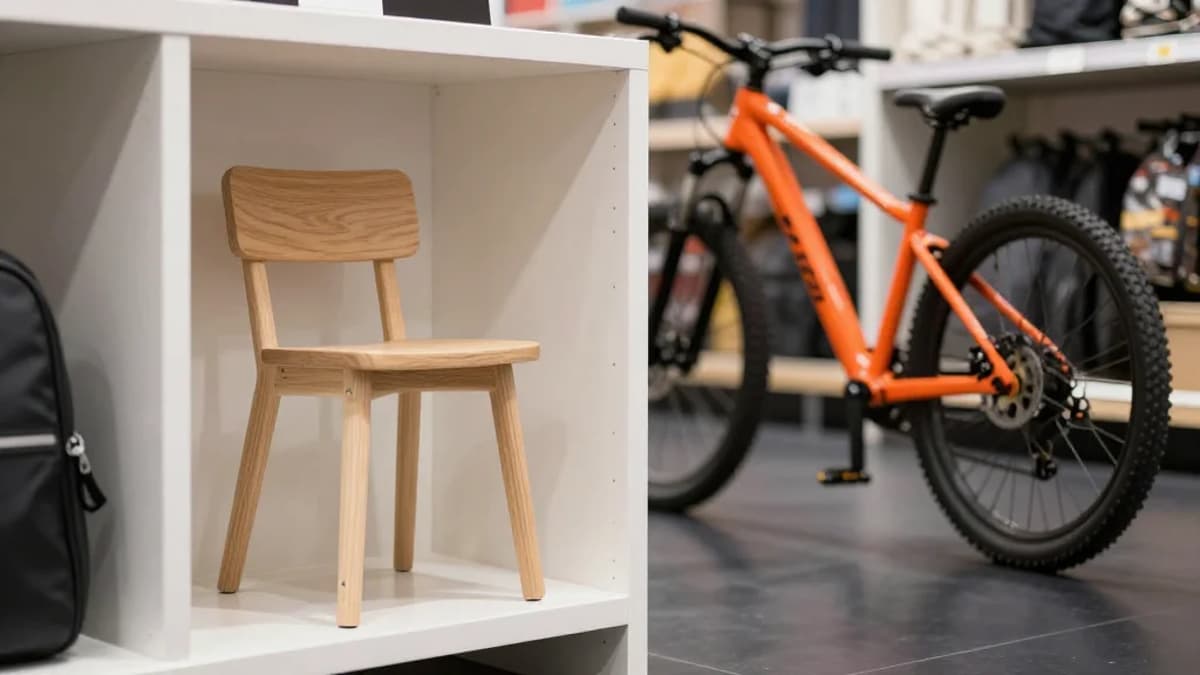
IKEA to Open a Decathlon in Its Croydon Store
•February 24, 2026
0
Why It Matters
The collaboration expands IKEA’s role from furniture retailer to broader lifestyle hub, potentially increasing average basket size and repeat visits. It also signals a shift in UK retail toward multi‑brand experiential spaces that can better compete with online shopping.
Key Takeaways
- •IKEA Croydon adds 1,188 sqm Decathlon shop.
- •Over 5,000 sports products available under one roof.
- •Dedicated entrance, buyback, click‑and‑collect enhance convenience.
- •Pilot aims to transform IKEA into lifestyle destination.
- •Follows previous Hej! Workshop co‑working experiment.
Pulse Analysis
Retailers are increasingly re‑imagining physical locations as experience‑focused destinations, and IKEA’s latest move underscores that shift. By integrating a dedicated Decathlon unit, IKEA leverages its high‑traffic footprint to offer a broader lifestyle proposition, encouraging shoppers to linger longer and explore complementary categories. The strategy aligns with IKEA’s stated goal of keeping stores relevant in an era where e‑commerce dominates, turning the space into a community hub rather than a pure furniture showroom.
Decathlon brings a vast catalog of sports and outdoor gear, with more than 5,000 SKUs spanning hiking, camping, running, fitness, swimming and cycling. The inclusion of services such as buy‑back and click‑and‑collect adds convenience and reinforces a circular‑economy narrative that resonates with environmentally conscious consumers. For Decathlon, the partnership provides immediate access to IKEA’s established customer base and prime real‑estate, accelerating its UK expansion without the cost of a standalone flagship.
The Croydon experiment could become a template for other retailers seeking to diversify footfall drivers. As brands co‑locate, they share operational costs while delivering a richer, multi‑category experience that rivals pure‑play online platforms. If successful, we may see a wave of similar alliances across the UK, reshaping high‑street dynamics and prompting landlords to favor mixed‑use concepts that blend home, lifestyle, and active‑living offerings.
IKEA to open a Decathlon in its Croydon store
0
Comments
Want to join the conversation?
Loading comments...