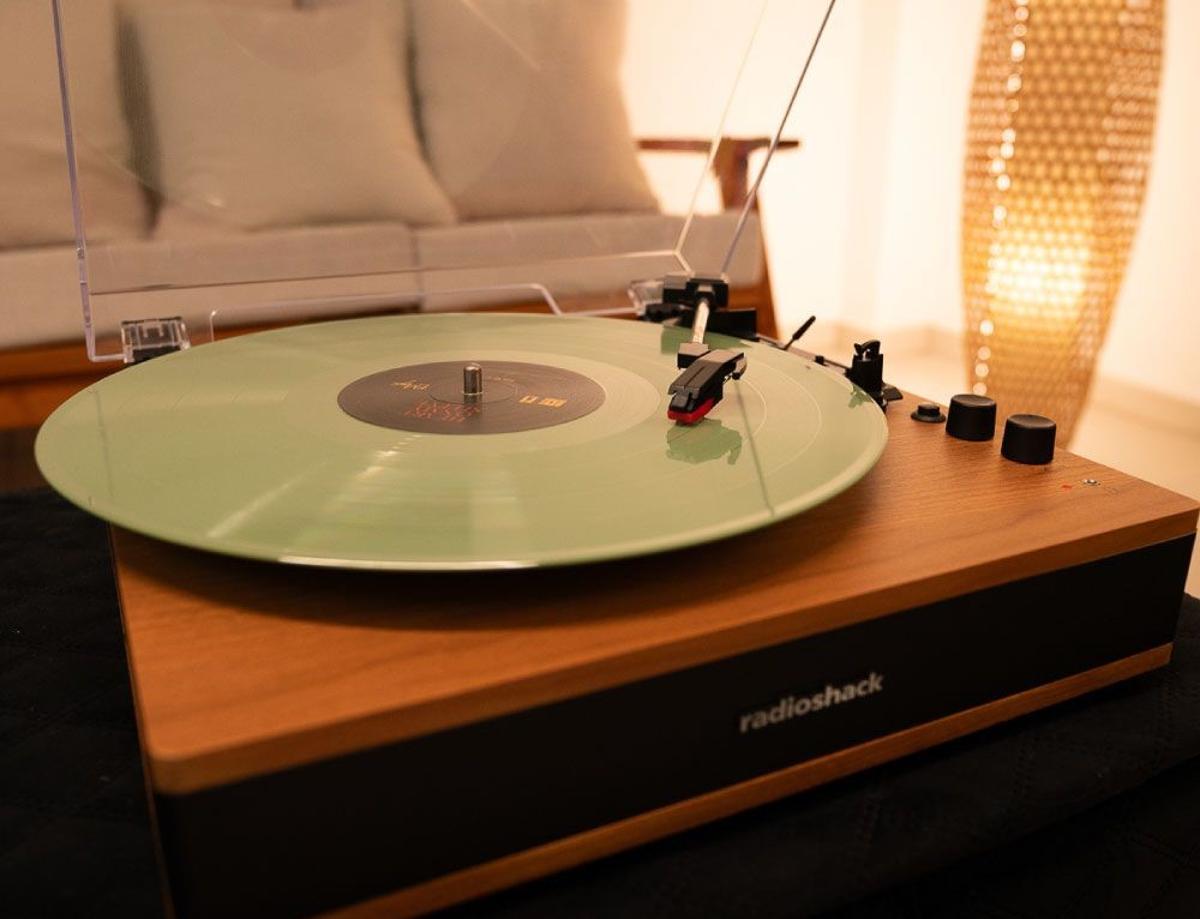
Inside RadioShack’s Audio-Fueled B-to-B Revival
Why It Matters
RadioShack’s pivot to a hybrid B‑to‑B and e‑commerce model shows how legacy brands can monetize nostalgia while tapping the resurging physical‑media market. Its success could inspire other distressed retailers to adopt multi‑channel, niche‑product strategies.
Key Takeaways
- •RadioShack's B2B sales now represent 60% of total revenue.
- •Vintage turntables and radios are top-selling items, selling out fast.
- •Over 170 resellers across 40 states carry RadioShack products.
- •Physical‑media market grew 5% in 2025, reaching $1.38 B.
- •Company aims to boost SKUs to 1,000, adding DIY and repair kits.
Pulse Analysis
RadioShack’s comeback illustrates a strategic blend of heritage branding and modern distribution. By re‑entering the market as a wholesale supplier and direct‑to‑consumer retailer, the company capitalized on its historic name while sidestepping the costly brick‑and‑mortar footprint that led to its 2015 bankruptcy. The emphasis on vintage audio gear—turntables, radios, and portable speakers—aligns with a broader consumer shift toward retro experiences, allowing RadioShack to command premium pricing and rapid inventory turnover.
The resurgence of physical media provides a fertile backdrop for RadioShack’s growth. Vinyl sales climbed for the 19th consecutive year, reaching 46.8 million units in 2025, while overall physical‑media revenue hit $1.381 billion, a 5% increase over the prior year. These figures signal enduring demand that mass retailers like Target and Walmart are only beginning to address. RadioShack’s niche focus on classic audio equipment gives it a distinct advantage, leveraging brand nostalgia to capture a segment of audiophiles and collectors who value authenticity over generic offerings.
Looking ahead, RadioShack plans to broaden its product portfolio to 1,000 SKUs, venturing into soldering tools, electronic components, and STEM‑oriented kits. This diversification targets the growing DIY repair and education markets, appealing to both hobbyists and families. Coupled with an aggressive B‑to‑B advertising push and presence at industry events such as CES, the company aims to cement its role as a go‑to supplier for independent retailers and tech enthusiasts alike. If executed well, this multi‑channel, nostalgia‑driven strategy could set a template for other legacy brands seeking relevance in a digital‑first economy.
Inside RadioShack’s audio-fueled B-to-B revival
Comments
Want to join the conversation?
Loading comments...