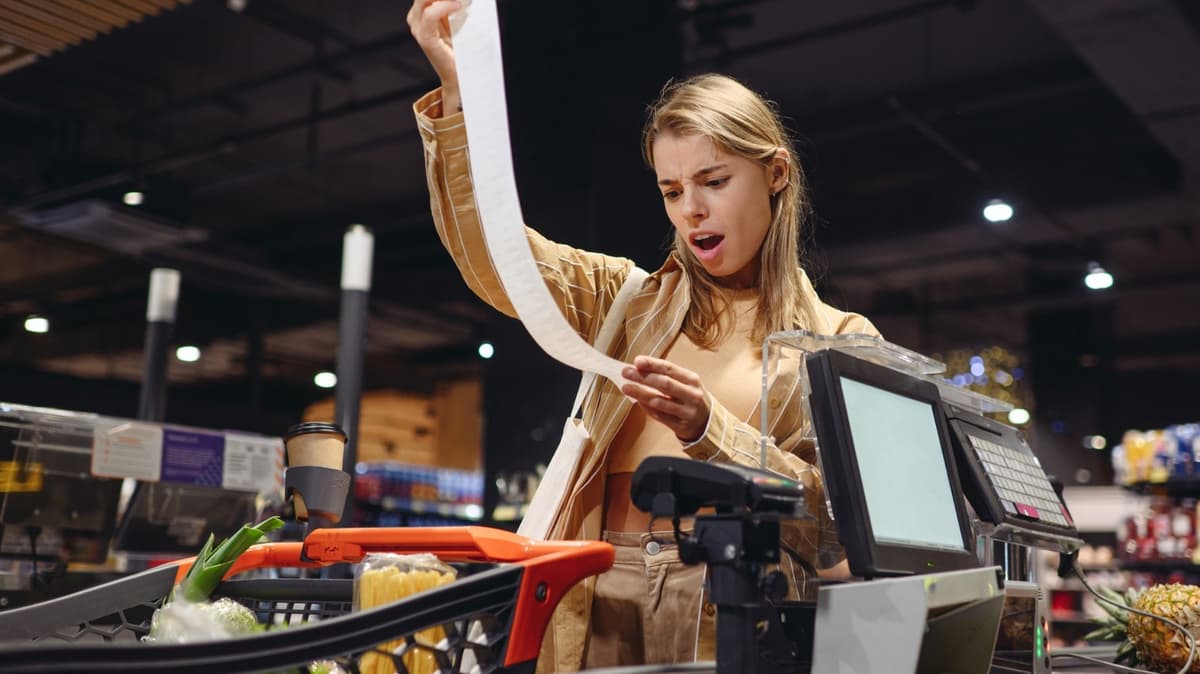
Is Surveillance Pricing Sneakily Driving Up Your Grocery Bill?
Companies Mentioned
Why It Matters
Personalized price discrimination threatens consumer trust and could reshape grocery competition, prompting urgent scrutiny from regulators and retailers alike.
Key Takeaways
- •Walmart plans ESLs in 2,000 stores by 2026
- •FTC confirms personal data drives individualized grocery prices
- •In‑store shopping remains most reliable way to avoid dynamic pricing
- •VPNs and proxies cannot fully mask shopper identity from AI pricing
- •Kroger has been testing electronic shelf labels for years
Pulse Analysis
Surveillance pricing, the retail equivalent of airline fare algorithms, tailors grocery costs to each shopper’s digital footprint. By analyzing demographics, browsing behavior, and even mouse movements, third‑party data firms feed AI models that adjust shelf‑tag prices in real time. Electronic shelf labels (ESLs) are the hardware that makes this possible, allowing retailers to change a product’s price at the moment a consumer scans a barcode or browses online. Walmart’s announced rollout to 2,000 locations by 2026 signals that the practice is moving from experimental labs to mainstream aisles, while Kroger’s years‑long pilots suggest early adopters are already reaping pricing flexibility.
The Federal Trade Commission has recently acknowledged that personal data is being used to set individualized grocery prices, but concrete enforcement actions are still pending. Consumers attempting to shield themselves with VPNs, proxy servers, or third‑party shoppers find limited success because AI can infer identity from device signatures and purchasing patterns. Consequently, the most dependable defense remains physical shopping—walking the aisles, comparing tags, and avoiding digital order channels that automatically apply dynamic pricing. This reality places a premium on price‑comparison tools and community‑driven deal forums that can alert shoppers to regional price disparities.
For retailers, dynamic pricing promises higher margins and inventory optimization, yet it also risks eroding brand loyalty if shoppers perceive unfairness. As ESL technology becomes cheaper and data‑sharing agreements expand, the competitive pressure to adopt personalized pricing will intensify. Industry observers expect a regulatory tug‑of‑war, with lawmakers pushing for transparency mandates while retailers lobby for flexibility. In the interim, businesses that combine transparent pricing policies with optional digital channels may gain a competitive edge, balancing profitability with consumer trust.
Is Surveillance Pricing Sneakily Driving Up Your Grocery Bill?
Comments
Want to join the conversation?
Loading comments...