Is There a Right Way to Sell Skincare to Kids?
Companies Mentioned
Why It Matters
Capturing Gen Alpha’s spending power early can secure lifelong customers, but missteps risk brand backlash and lost market share across the beauty industry.
Key Takeaways
- •New tween-focused brands like Sincerely Yours aim for early loyalty
- •Major beauty firms adopt anti‑marketing to appease concerned parents
- •Legacy labels Olay and Covergirl redesign strategies for multigenerational appeal
- •Sephora China reports four years of losses, seeking new partnership
- •Luxury skincare's Met Gala buzz may boost premium segment growth
Pulse Analysis
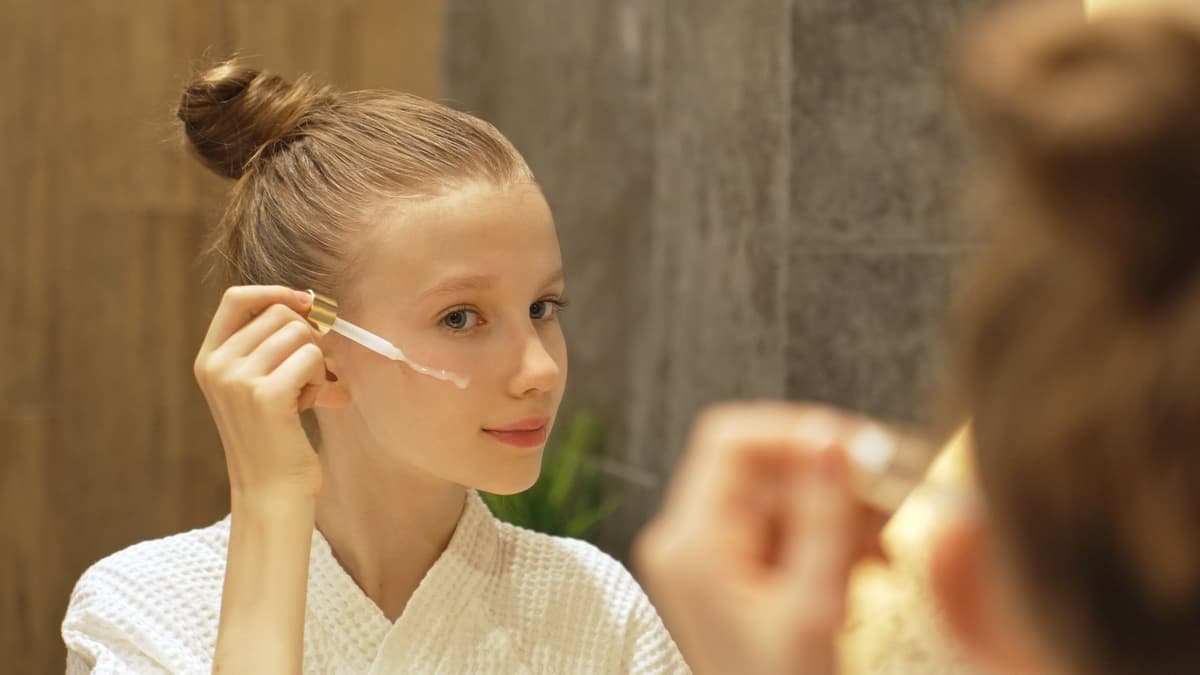
Generation Alpha, now entering the tween years, is reshaping the skincare landscape. Brands such as Sincerely Yours and Yes Day are launching products that speak to a demographic accustomed to digital discovery and peer‑influenced trends. At the same time, parental backlash against early‑age marketing has forced industry giants to experiment with anti‑marketing messages, essentially telling parents “don’t buy our stuff” to build trust. This paradox—selling to kids while publicly discouraging purchase—highlights the delicate balance between capturing lifelong brand loyalty and navigating ethical scrutiny. Brands are also leveraging limited‑edition collaborations to create urgency without overt pressure.
Established players like Olay and Covergirl are confronting the same generational shift by re‑evaluating product portfolios and communication tones. Rather than a one‑size‑fits‑all approach, they are segmenting lines for Gen X, Millennials, Gen Z and now Gen Alpha, emphasizing clean ingredients and transparent sourcing. In Asia, Sephora’s Chinese arm has posted four consecutive years of losses, prompting calls for a partner who can translate global trends into localized product design and pricing strategies. The retailer’s struggle underscores how misreading regional consumer sentiment can quickly erode market share, even for well‑known beauty conglomerates.
The luxury skincare segment is poised to benefit from the heightened visibility of high‑profile events such as the Met Gala, where celebrity‑driven product launches generate instant buzz. Premium brands are leveraging this exposure to justify higher price points and to attract affluent millennials and Gen Alpha’s parents, who view luxury as a status signal for their children. However, the surge in premium demand must be balanced against supply‑chain constraints and the risk of over‑saturation. Companies that can marry aspirational storytelling with sustainable sourcing are likely to capture the most durable growth.
Is There a Right Way to Sell Skincare to Kids?
Comments
Want to join the conversation?
Loading comments...