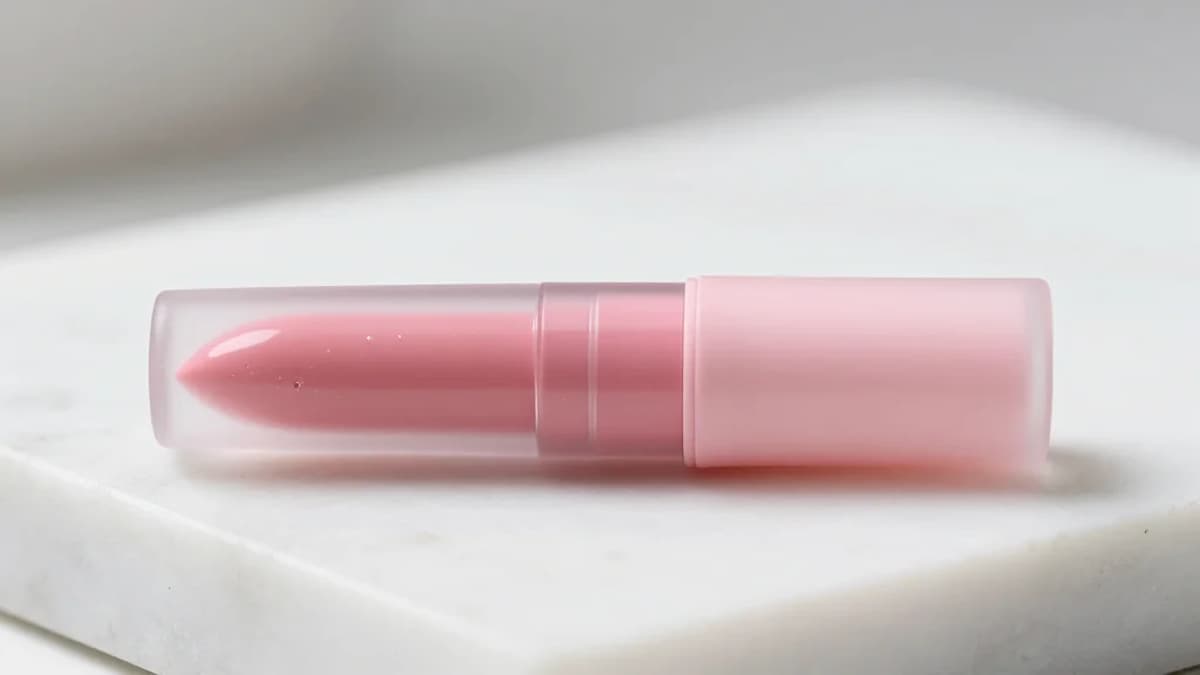
Jelly Products Are Taking over Beauty Cabinets Again Thanks to Elevated Formats
•March 4, 2026
0
Why It Matters
The shift repositions jelly formats from novelty to functional, multi‑use products, prompting brands to prioritize tactile, portable solutions that meet fast‑paced consumer expectations.
Key Takeaways
- •Jelly formats now seen as functional hybrids
- •Sol de Janeiro launches solid scent jelly balm
- •Mario’s jelly lip & cheek balm offers buildable color
- •Milk Makeup adds shimmer stick with skin‑care ingredients
- •Pinterest jelly blush searches up 130% YoY
Pulse Analysis
The beauty industry is increasingly embracing tactile experiences, and jelly‑textured products sit at the forefront of this shift. Consumers, especially Gen Z and Millennials, crave products that feel playful yet deliver measurable performance, a demand amplified by visual platforms like TikTok and Pinterest. The surge in searches for “jelly blush” reflects a broader desire for sensorial gratification, prompting brands to innovate beyond traditional creams and powders.
Recent launches illustrate how jelly formats are being repurposed across categories. Sol de Janeiro’s Jelly Perfume Balm merges fragrance with a solid‑stick delivery, offering ten‑hour scent endurance while maintaining a mess‑free application. Makeup by Mario’s Jelly Jar Lip & Cheek Balm provides a buildable wash of colour without the typical stickiness, positioning it as a hybrid makeup‑skincare tool. Milk Makeup’s Jelly Shimmer Stick adds multi‑dimensional pearls and skin‑loving ingredients, turning a simple highlight into a treatment‑grade product. These innovations underscore the format’s versatility—portability, quick blending, and layered performance—all of which resonate with time‑pressed consumers.
For the industry, the jelly renaissance signals a strategic pivot. Brands may allocate R&D budgets toward gel‑based polymers and novel packaging that preserve texture stability. Supply chains will need to accommodate new raw materials, while marketers can leverage the format’s visual appeal for social media storytelling. As jelly products shed their gimmick label, they are poised to become a staple in product portfolios, driving incremental sales and fostering brand differentiation in an increasingly crowded market.
Jelly products are taking over beauty cabinets again thanks to elevated formats
0
Comments
Want to join the conversation?
Loading comments...