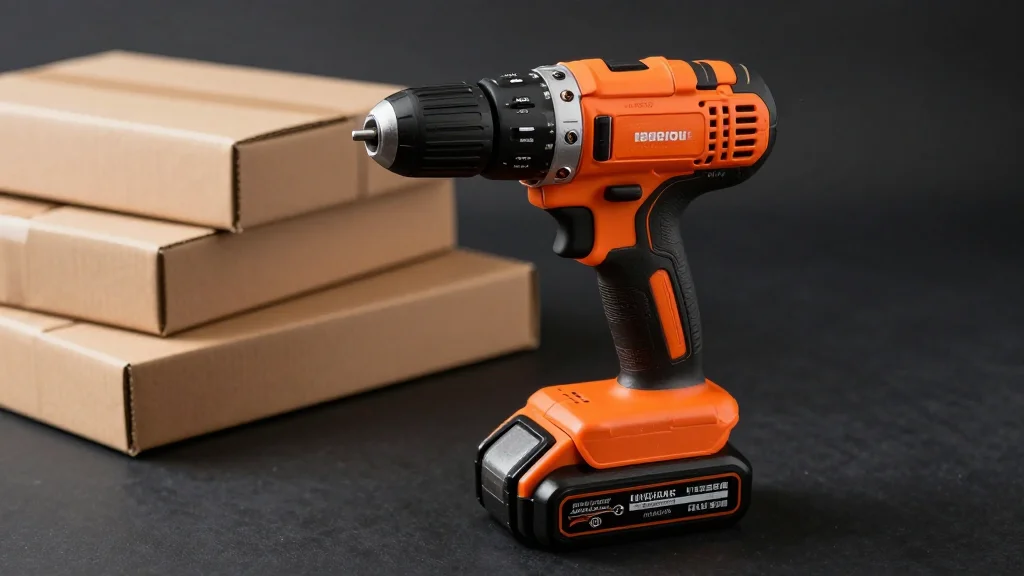
Kafuwell Expands Low‑cost Channel Partnership for Power‑tool Dealers and Hardware Retailers

Why It Matters
The expanded partnership program could reshape how hardware retailers source professional‑grade tools. By offering wholesale prices more than 30% below established brands, Kafuwell forces incumbents to reconsider pricing strategies and value propositions. Retailers, especially big‑box chains, stand to improve margins and inventory turnover, which may translate into lower shelf prices for contractors and end‑users. If the model proves successful, it may trigger a wave of similar low‑threshold, high‑support programs from other OEMs seeking to capture market share in the fragmented B2B retail space. The emphasis on a unified battery platform also aligns with a growing consumer preference for ecosystem simplicity, potentially accelerating the shift away from legacy, brand‑specific battery systems.
Key Takeaways
- •Kafuwell's new partnership program allows a minimum order of one mixed carton.
- •Wholesale prices are advertised as more than 30% lower than mainstream international brands.
- •Program starts at $10,000 per order and includes four tiered levels with escalating support.
- •Catalog now exceeds 4,000 SKUs, including over 800 power tools, all built on a unified 20 V battery platform.
- •Regular stock enables shipment within 48 hours, reducing dealer safety‑stock requirements.
Pulse Analysis
Kafuwell’s strategy taps into a long‑standing tension in the power‑tool market: the trade‑off between brand prestige and cost efficiency. Established players such as Bosch, DeWalt and Makita command premium pricing by leveraging brand equity and extensive dealer networks. Kafuwell, by contrast, leverages vertical integration—owning its Hangzhou factory—to undercut those premiums while preserving industrial‑grade specifications. The 30% price gap is significant; for a typical $200 drill, a dealer could realize a $60 margin advantage, a compelling proposition for price‑sensitive contractors.
The unified 20 V battery platform is another competitive lever. Battery compatibility has become a decisive factor for professional users who value tool interchangeability and reduced lifecycle costs. By standardizing on a single voltage across its cordless line, Kafuwell not only simplifies inventory management for retailers but also creates a sticky ecosystem that can drive repeat purchases—mirroring the success of larger rivals who have built proprietary battery families.
However, the program’s success hinges on execution. Rapid 48‑hour shipping requires robust logistics and inventory forecasting, especially as the dealer base expands globally. Moreover, the $10,000 entry threshold, while modest compared with bulk orders from legacy brands, may still be a hurdle for small, independent hardware stores. Kafuwell’s tiered support—particularly the marketing and after‑sales resources—must translate into tangible sales uplift for partners; otherwise, the low‑cost advantage could be offset by insufficient brand awareness on the shop floor. The upcoming trade‑show rollouts will be a litmus test for dealer enthusiasm and market reception.
If Kafuwell can sustain its pricing advantage while delivering consistent product quality and support, it could force a recalibration of dealer expectations across the sector. Larger manufacturers may be compelled to introduce similar low‑threshold programs or enhance their own value‑added services, potentially accelerating consolidation in the B2B retail distribution channel.
Kafuwell expands low‑cost channel partnership for power‑tool dealers and hardware retailers
Comments
Want to join the conversation?
Loading comments...