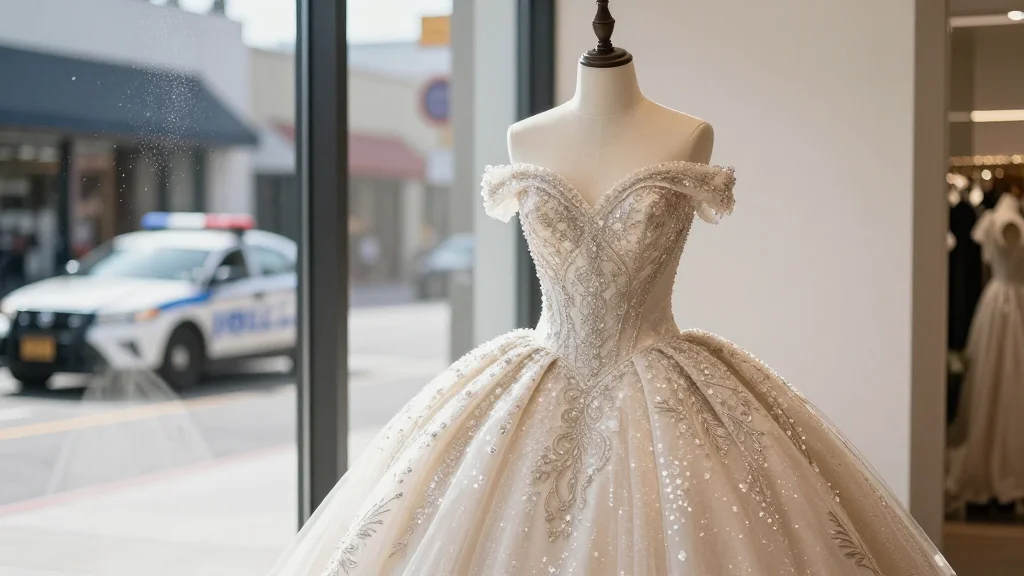
LA Dress Shop Owners Face $150K Debt After ICE Raid Shakes Fashion District

Why It Matters
The Galvezes’ struggle is a microcosm of how immigration enforcement can reverberate through local economies, especially in neighborhoods where immigrant entrepreneurs form the backbone of retail activity. A sustained decline in sales not only threatens individual livelihoods but also jeopardizes ancillary businesses that depend on the same customer base, potentially leading to a cascade of closures and job losses. If policymakers ignore these downstream effects, the Fashion District could see a long‑term erosion of its cultural and economic vibrancy. Conversely, targeted relief—such as rent relief, low‑interest loans, or streamlined pathways for undocumented workers to obtain work permits—could stabilize the sector, preserve jobs, and maintain the district’s role as a key destination for Latino shoppers nationwide.
Key Takeaways
- •ICE raid detained >40 immigrant workers in LA Fashion District
- •Galvezes' debt rose from $20K to $150K after the raid
- •Weekly dress sales fell from 50 per store to ~10
- •Fashion District foot traffic down 13% year‑over‑year
- •Rent for each shop is $11,000 per month; $8,000 cash theft reported
Pulse Analysis
The Galvezes’ case underscores a fragile equilibrium between enforcement actions and the health of immigrant‑driven retail corridors. Historically, the Los Angeles Fashion District has thrived on low‑cost, high‑volume sales of culturally specific apparel—quinceañera dresses being a prime example. The abrupt loss of labor and consumer confidence after the ICE operation has disrupted supply chains, reduced inventory turnover, and forced many ancillary vendors to curtail operations. This mirrors earlier patterns seen after the 2017 crackdown on undocumented workers in New York’s garment district, where a 9% sales dip persisted for two years despite subsequent policy adjustments.
From a market perspective, the immediate fallout is a contraction of cash flow that limits the ability of shop owners to restock, invest in marketing, or upgrade storefronts. In the longer term, sustained pressure could accelerate a shift toward e‑commerce platforms that can source inventory from overseas, eroding the district’s unique value proposition of on‑site customization and community ties. Policymakers face a choice: implement short‑term relief to preserve the existing ecosystem or allow market forces to reallocate demand to larger, less vulnerable players.
Looking ahead, the upcoming municipal budget cycle and potential state‑level immigration reforms will be decisive. If the city allocates emergency grants or negotiates rent concessions, it could stem the tide of closures and preserve the district’s cultural identity. Failure to act, however, may see a permanent reshaping of the retail landscape, with long‑standing family businesses like the Galvezes becoming relics of a bygone era.
LA Dress Shop Owners Face $150K Debt After ICE Raid Shakes Fashion District
Comments
Want to join the conversation?
Loading comments...