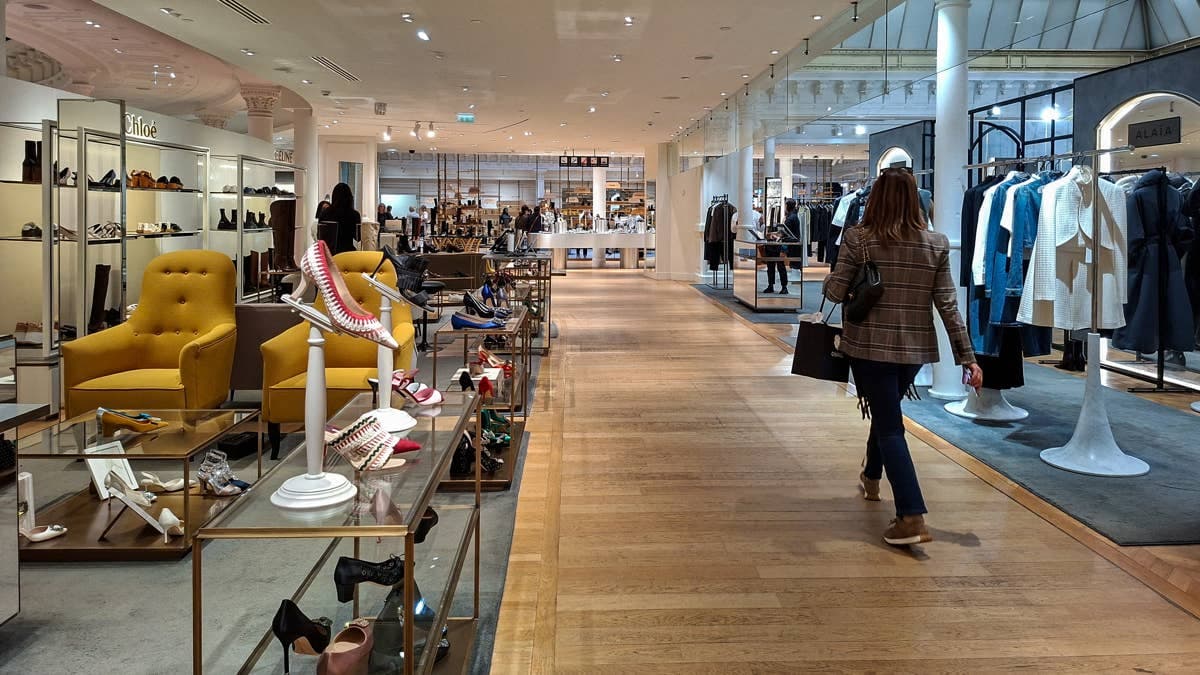
Luxury Chain Closes Flagship Store After 112 Years
Companies Mentioned


Why It Matters
The closure highlights the accelerating need for luxury brands to streamline physical footprints and adapt to e‑commerce‑driven demand, reshaping the high‑end retail landscape in major U.S. markets.
Key Takeaways
- •Neiman Marcus downtown Dallas store closes Sept 30 2026 after 112 years.
- •Saks Global filed Chapter 11 in Jan 2026, citing acquisition debt.
- •Company will concentrate on NorthPark Center Neiman Marcus location.
- •Expected emergence with $700 M liquidity and $500 M exit financing.
- •Luxury sector growth projected low single‑digit in 2026, per McKinsey.
Pulse Analysis
Dallas’ downtown skyline will lose a century‑old retail icon when Neiman Marcus shuts its flagship doors in 2026. The store, opened in 1914 after an early fire, became a cultural touchstone for Texas luxury shoppers, hosting generations of high‑net‑worth clientele. Its closure not only marks the end of a historic shopping destination but also signals a strategic retreat by Saks Global, which plans to consolidate its Dallas presence at the upscale NorthPark Center, preserving brand visibility while shedding costly lease obligations.
The decision is rooted in Saks Global’s recent Chapter 11 restructuring, filed after the 2024 acquisition of Neiman Marcus saddled the company with significant debt. In the latest quarter, revenue slipped to $1.6 billion, a 13% decline, while net losses widened. To stabilize the balance sheet, the firm has liquidated eight Saks Fifth Avenue stores, closed a Neiman Marcus location, and discontinued its Horchow e‑commerce platform. With an anticipated $700 million liquidity cushion and $500 million in exit financing, Saks aims to emerge from bankruptcy this summer, targeting $9 billion in gross merchandise value by 2030 and double‑digit adjusted EBITDA.
Industry analysts warn that the luxury sector’s growth will remain modest, with McKinsey projecting low single‑digit expansion in 2026. Shifting consumer preferences toward digital experiences, heightened price sensitivity, and macro‑economic volatility are forcing legacy retailers to rethink brick‑and‑mortar strategies. The Dallas flagship’s shutdown exemplifies a broader trend: luxury brands are consolidating locations, investing in omnichannel capabilities, and prioritizing markets where demand aligns with profitability. For investors and executives, the case underscores the importance of agile portfolio management in an era where heritage alone no longer guarantees commercial viability.
Luxury chain closes flagship store after 112 years
Comments
Want to join the conversation?
Loading comments...