LVMH Plans to Sell Marc Jacobs, Fenty Beauty, and More
Companies Mentioned
Why It Matters
Divesting non‑core assets could free cash for debt reduction and reinvestment, signaling a tactical response to weakening consumer demand in the luxury sector.
Key Takeaways
- •LVMH eyes divestiture of Marc Jacobs, Fenty Beauty, winery
- •Sale would be one of group's biggest restructurings ever
- •Declining luxury demand prompts shift from acquisitions to disposals
- •Potential proceeds could fund core brand investments
- •Market watches for impact on LVMH's earnings outlook
Pulse Analysis
LVMH has built its reputation on a relentless acquisition engine, snapping up brands from fashion to spirits to cement its position as the world’s largest luxury conglomerate. Over the past decade the group added Dior, Tiffany & Co., and a portfolio of high‑margin wine estates, financing growth with strong cash flow and low‑cost debt. Yet the luxury market has entered a prolonged contraction, with Chinese consumer spending cooling, inflation eroding discretionary budgets, and travel‑related sales slipping. These macro pressures have forced the board to rethink capital allocation.
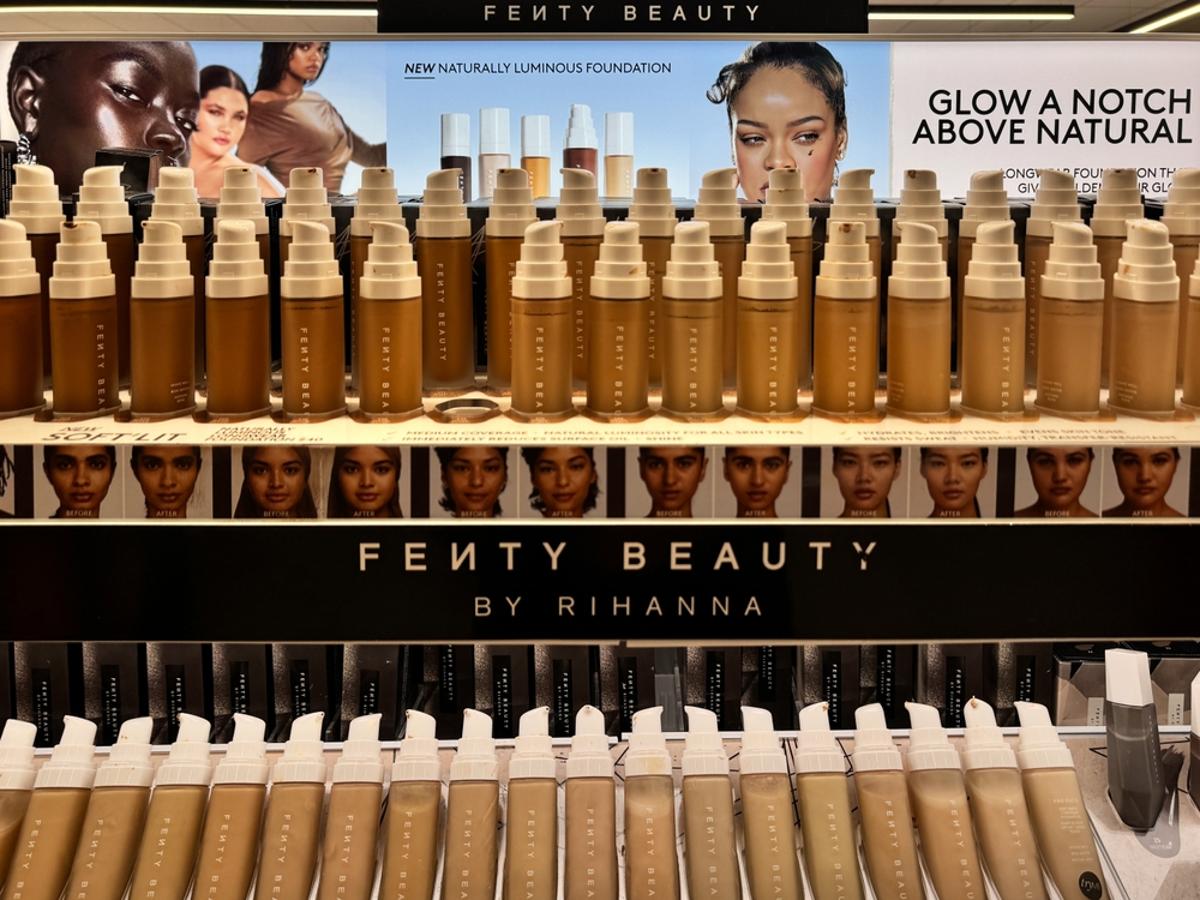
The Financial Times reports that LVMH is weighing the sale of several non‑core assets, notably fashion label Marc Jacobs, Rihanna‑backed Fenty Beauty, and a prestigious winery whose name remains undisclosed. These businesses, while valuable, sit outside the group’s core focus on heritage fashion houses and high‑end watches. Divesting them could generate several hundred million euros—roughly $300‑$400 million—providing liquidity for debt reduction or reinvestment in flagship brands such as Louis Vuitton and Dior. Potential buyers range from private‑equity firms to strategic luxury rivals seeking portfolio expansion.
LVMH’s pivot signals a broader recalibration across the luxury sector, where peers such as Kering and Richemont have already trimmed underperforming lines to preserve margins. Investors are likely to view the divestiture positively if it sharpens earnings visibility and reduces exposure to volatile segments. However, the sale also underscores lingering demand weakness, suggesting that even the most diversified conglomerates must adapt. In the coming months, the market will gauge how the proceeds are redeployed and whether LVMH can sustain its growth trajectory without the fire‑sale of assets.
LVMH plans to sell Marc Jacobs, Fenty Beauty, and more
Comments
Want to join the conversation?
Loading comments...