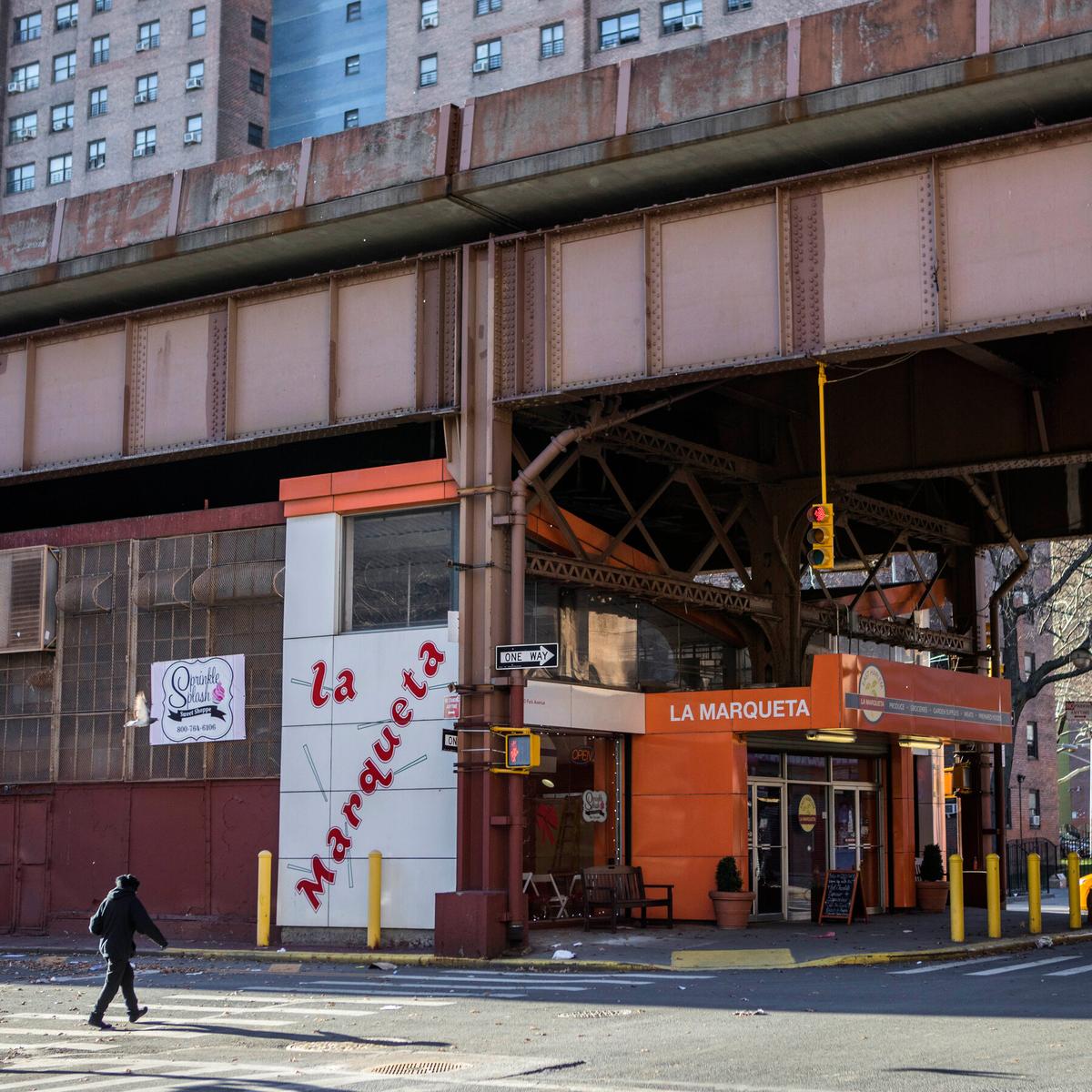
Mamdani Plans to Open First City-Owned Grocery Store in East Harlem
Why It Matters
A city‑run grocery could curb rising food prices and improve access to fresh produce in underserved neighborhoods, setting a potential model for municipal intervention in the food supply chain.
Key Takeaways
- •$30 million allocated for La Marqueta grocery store.
- •First city-owned store aims to open by 2029.
- •Plan includes five borough‑wide public grocery locations.
- •Mayor cites corporate control of food supply chain.
- •Store targets fresh, affordable food for East Harlem residents.
Pulse Analysis
New York City’s food landscape has long been marked by stark disparities, with East Harlem’s La Marqueta market epitomizing a historic hub that fell into decline. By repurposing the under‑utilized marketplace into a publicly owned grocery, Mayor Mamdani is addressing a classic food‑desert scenario while honoring a campaign promise to democratize access to essential goods. The $30 million investment signals a willingness to allocate substantial public capital toward a sector traditionally left to private retailers, and it reflects a broader municipal trend of tackling social inequities through direct service provision.
The financial mechanics of a city‑owned grocery differ markedly from conventional private‑sector models. Operating without a profit motive allows the store to price staples closer to wholesale costs, potentially shaving dollars off the grocery bill for families on fixed incomes. However, the venture must still navigate real‑world challenges such as supply‑chain logistics, staffing, and competitive pricing against entrenched supermarket chains. If the La Marqueta store demonstrates fiscal sustainability, it could validate the public‑ownership approach and encourage additional municipal investments in essential services.
Beyond the immediate neighborhood, Mamdani’s five‑store blueprint could reshape how U.S. cities confront food insecurity. By establishing a public option, New York may inspire other municipalities to explore similar models, especially in areas where corporate grocery chains have retreated. The initiative also sparks a policy debate about the role of government in markets traditionally dominated by private actors, highlighting a possible shift toward hybrid solutions that blend public oversight with market efficiencies. Success could redefine the balance of power in the food supply chain, offering a replicable template for equitable, affordable nutrition nationwide.
Mamdani Plans to Open First City-Owned Grocery Store in East Harlem
Comments
Want to join the conversation?
Loading comments...