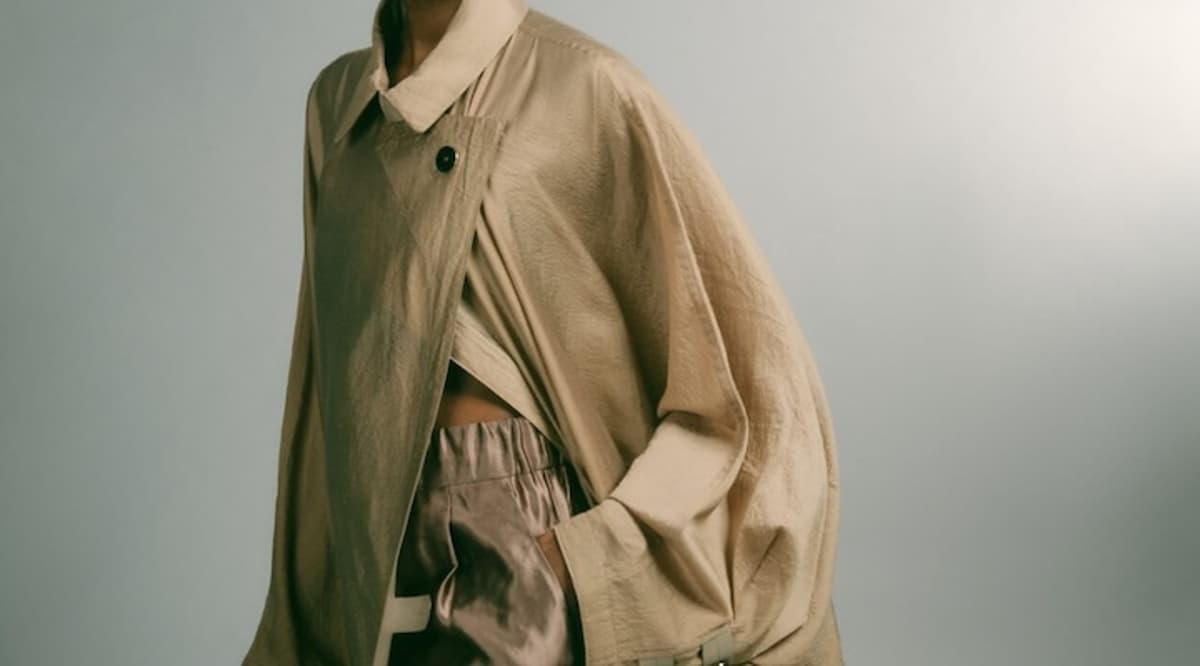
Maximalism Isn’t Dead: Why 90s Minimalism Is Just the New Base Layer
Companies Mentioned
Why It Matters
The move positions minimalist basics as a reliable, revenue‑generating backbone, allowing retailers to quickly layer trend‑forward pieces without over‑stocking. It signals a strategic pivot for the fashion industry toward agility and sustained profitability.
Key Takeaways
- •Maximalism saturates; brands pivot to 90s-inspired minimalism.
- •TikTok accelerates micro‑trend cycles, boosting demand for versatile basics.
- •Beginning Boutique invests in capsule pieces as season‑long revenue anchors.
- •Minimalist staples enable quick “micro‑updates” with bold accents.
- •Flexibility between minimalism and maximalism drives Gen Z purchasing behavior.
Pulse Analysis
The pendulum swing from maximalist spectacle to 1990s‑rooted minimalism reflects fashion’s inherent cyclical rhythm. In the 1980s, excess reigned, culminating in the oversized logos and chunky silhouettes that dominated the last decade. Today, designers and retailers are revisiting the restrained aesthetic championed by Jil Sander and Helmut Lang, offering consumers a clean‑cut alternative that feels both nostalgic and contemporary. This transition is not merely aesthetic; it reshapes inventory planning, as brands allocate more shelf space to timeless pieces that can anchor a season’s narrative.
Social media, particularly TikTok, has compressed the traditional fashion calendar, turning weeks into days for trend adoption. The platform’s algorithmic velocity forces shoppers to refresh wardrobes constantly, yet they gravitate toward items that can serve multiple looks. Minimalist basics—slip dresses, funnel‑neck jackets, straight‑leg trousers—provide that flexibility, acting as a stable platform for rapid “micro‑updates” such as bold colors or statement accessories. Retailers that embed these staples into their core assortment can capture steady sales while still capitalizing on the hype cycles that drive impulse purchases.
Looking ahead, the coexistence of minimalism and maximalism will define the next wave of consumer behavior, especially among Gen Z, who reject binary style choices. Brands that treat minimalism as infrastructure—an evergreen revenue engine—will be better positioned to layer high‑impact, limited‑edition capsules without risking overstock. Strategic emphasis on versatile, high‑quality basics, combined with agile design pipelines, will enable retailers to navigate the fast‑moving digital landscape while maintaining brand relevance and profitability.
Maximalism isn’t dead: Why 90s minimalism is just the new base layer
Comments
Want to join the conversation?
Loading comments...