Mercatto Expands with New Location in Port Credit
•February 27, 2026
0
Why It Matters
The launch illustrates how full‑service operators are shifting toward high‑density, waterfront suburbs, diversifying revenue streams and extending brand reach beyond downtown cores.
Key Takeaways
- •8,500 sq ft space seats 290 guests, 90 patio seats.
- •First Mercatto location outside Toronto, entering Mississauga’s Brightwater.
- •Brunch menu exclusive to this site adds day‑part revenue.
- •Design inspired by *The Birth of Venus* reflects waterfront vibe.
- •Private dining room supports corporate events, 16‑20 guests.
Pulse Analysis
The Greater Toronto Area’s waterfront districts are rapidly evolving from residential enclaves into vibrant, mixed‑use destinations. Developers are layering retail, office, and leisure components to create self‑sustaining neighborhoods, and restaurateurs are following suit. Mercatto’s decision to plant a flagship in Brightwater reflects this trend, positioning the brand within a walkable, lake‑front setting that attracts both locals and destination diners. By stepping outside the traditional downtown corridor, the chain taps into a growing consumer base that values convenience, community, and experiential dining.
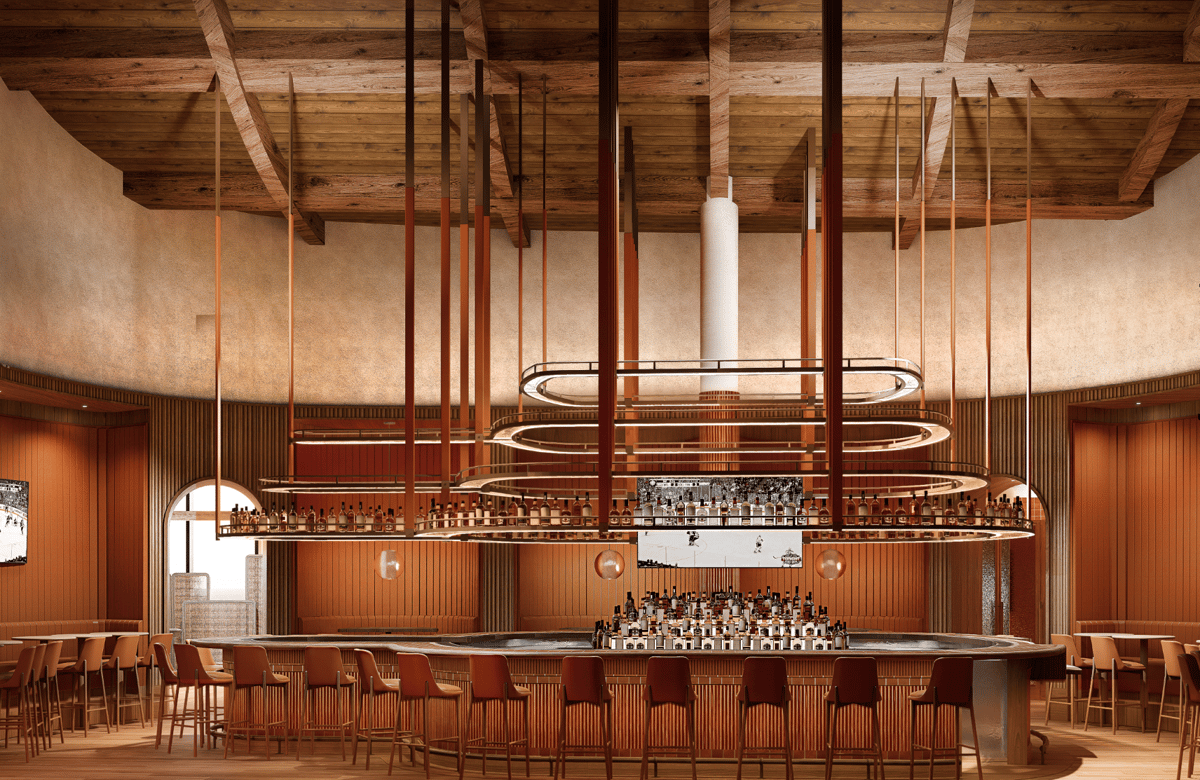
Mercatto Centrale’s scale sets a new benchmark for full‑service Italian concepts in the west end. At roughly 8,500 sq ft, the space dedicates 5,000 sq ft to dining, bar, and private‑event areas, supporting more than 290 seats and a sizable patio that leverages the lake view. The menu expands beyond classic pasta and pizza to feature a curated brunch—unique within the Mercatto portfolio—aimed at capturing mid‑morning traffic. Chef Doug Neigel blends traditional Italian flavors with locally sourced ingredients, while the interior, echoing *The Birth of Venus*, offers a sleek, coastal ambience that aligns with the community’s aesthetic.
For the broader restaurant industry, Mercatto’s suburban foray signals a shift in growth strategy. Operators are increasingly viewing high‑density suburbs as viable alternatives to saturated downtown markets, especially when they can offer differentiated programming such as brunch or event‑centric spaces. The inclusion of a private‑dining room equipped for corporate gatherings further diversifies revenue, catering to the post‑pandemic demand for flexible meeting venues. As more brands emulate this model, the GTA’s culinary landscape will likely see a redistribution of premium dining experiences from the core to the periphery, reshaping competitive dynamics and consumer expectations.
Mercatto Expands with New Location in Port Credit
0
Comments
Want to join the conversation?
Loading comments...