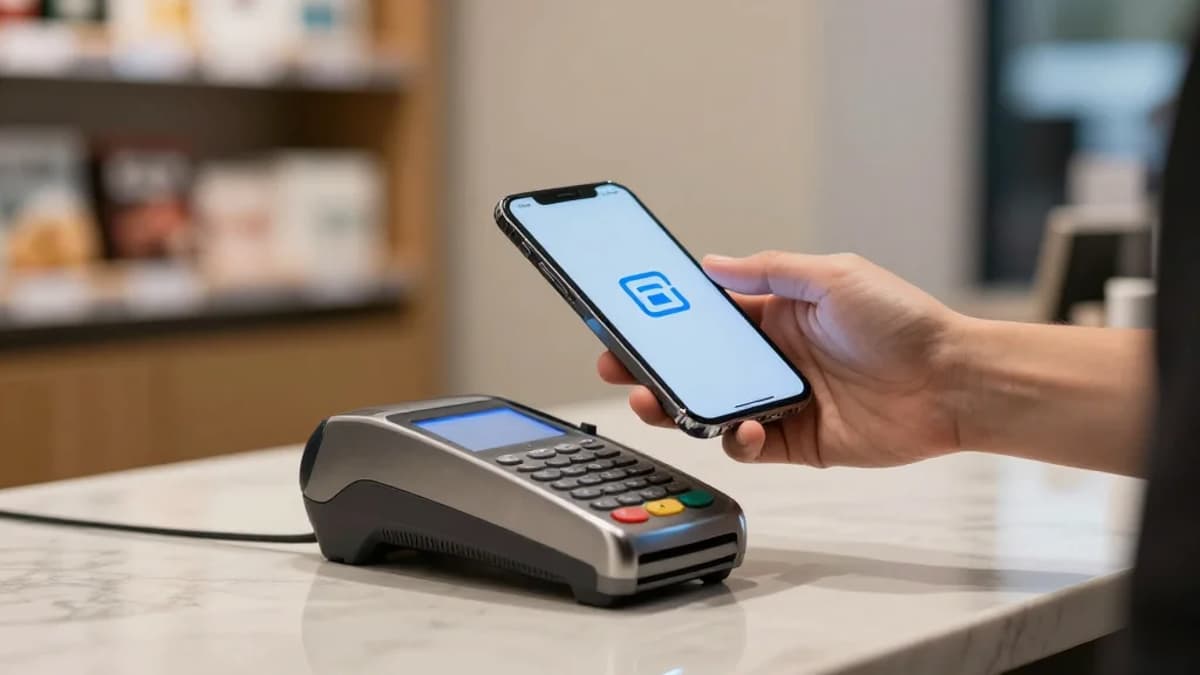
Mobile Payments Transforming the Retail Checkout Experience
•March 6, 2026
0
Why It Matters
The technology boosts operational efficiency and unlocks valuable consumer insights, giving retailers a competitive edge in an increasingly digital marketplace.
Key Takeaways
- •Mobile payments adoption up 40% YoY in retail.
- •AI fraud detection cuts chargebacks by 30%.
- •Biometric security boosts consumer confidence.
- •Integration with POS systems remains major hurdle.
- •Payment data enables personalized marketing campaigns.
Pulse Analysis
The surge in mobile payments reflects a broader consumer expectation for frictionless commerce. As shoppers increasingly favor digital wallets over cash or cards, retailers are compelled to modernize checkout lanes to meet speed and convenience standards. This shift was accelerated by the COVID‑19 pandemic, which normalized contactless interactions and set a new baseline for transaction experiences across brick‑and‑mortar stores.
Beyond speed, mobile payment platforms are delivering operational advantages that extend into back‑office analytics. Real‑time transaction data feeds AI algorithms that flag fraudulent activity, reducing chargebacks and enhancing trust. Blockchain pilots are exploring immutable ledgers to further secure payment flows, while biometric verification adds a layer of consumer confidence. The wealth of purchase information also empowers retailers to craft targeted promotions, optimize inventory, and refine pricing strategies based on actual buying behavior.
Despite clear benefits, adoption is not without challenges. Legacy point‑of‑sale infrastructure often lacks the flexibility to support new APIs, requiring costly upgrades or middleware solutions. Seamless integration is critical to avoid checkout disruptions and maintain staff productivity. Additionally, comprehensive training programs are essential to ensure employees can troubleshoot issues and guide customers through digital payment options. Overcoming these obstacles will determine how quickly the retail sector can fully capitalize on the efficiency and data‑driven insights that mobile payments promise.
Mobile payments transforming the retail checkout experience
0
Comments
Want to join the conversation?
Loading comments...