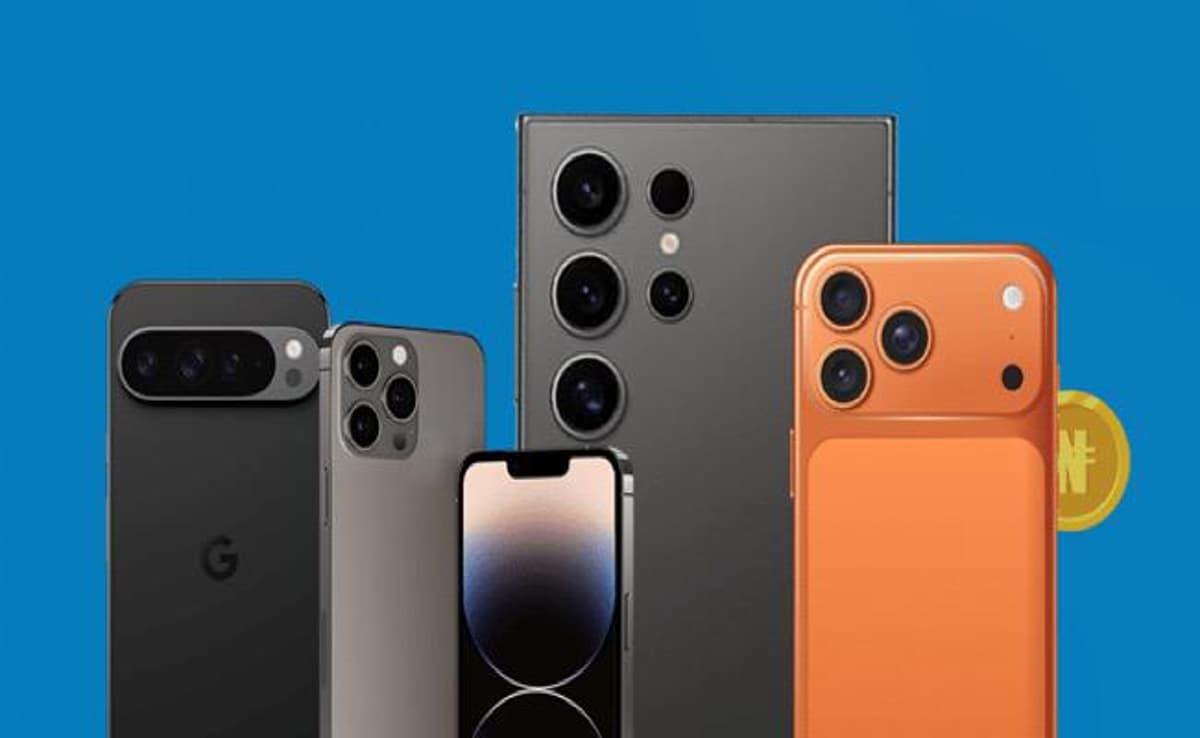
More Nigerians Are Buying Phones on Credit as Smartphones Dominate 70% of BNPL Gadget Purchases, Says Credit Direct
Why It Matters
The surge in BNPL usage signals a shift in how low‑income Nigerians and micro‑entrepreneurs finance essential technology, reshaping credit risk dynamics and opening new revenue streams for fintech lenders.
Key Takeaways
- •Smartphones account for 70% of BNPL gadget purchases in Nigeria
- •81% of BNPL phones are Android, 19% iPhone
- •90% of BNPL users earn under $435 monthly
- •45% of BNPL transactions are by self‑employed entrepreneurs
- •42.7% choose the maximum six‑month repayment term
Pulse Analysis
The rapid adoption of BNPL for smartphones in Nigeria reflects broader trends in emerging markets where digital credit bridges affordability gaps. With a mid‑range Android device costing roughly $610—well above the average monthly income of under $435—consumers are compelled to spread payments over longer tenors. Lenders benefit from higher transaction volumes, while borrowers gain access to tools that can boost productivity and connectivity. This dynamic is especially pronounced among self‑employed individuals, who represent nearly half of BNPL activity and tend to purchase higher‑priced devices to support their businesses.
Fintech firms like Credit Direct are capitalising on this demand by offering flexible five‑ to six‑month repayment plans, which align with cash‑flow cycles of informal workers. The data shows 42.7% of users opt for the maximum six‑month term, indicating a preference for minimal monthly outlays amid competing expenses such as rent, school fees, and healthcare. By structuring credit in bite‑size installments, providers mitigate default risk while fostering customer loyalty. However, the concentration of debt among low‑income borrowers raises concerns about over‑leveraging, especially if macro‑economic shocks hit the already fragile Nigerian economy.
Looking ahead, the sustainability of Nigeria’s BNPL boom hinges on responsible underwriting and the development of secondary markets for loan resale. Regulators may need to introduce caps on tenure lengths or enforce stricter affordability assessments to prevent a credit crunch. At the same time, the sector presents an opportunity for banks and alternative lenders to deepen financial inclusion by integrating BNPL into broader credit ecosystems, potentially unlocking new streams of revenue while supporting the digital transformation of small enterprises.
More Nigerians are Buying Phones on Credit as Smartphones Dominate 70% of BNPL Gadget Purchases, Says Credit Direct
Comments
Want to join the conversation?
Loading comments...