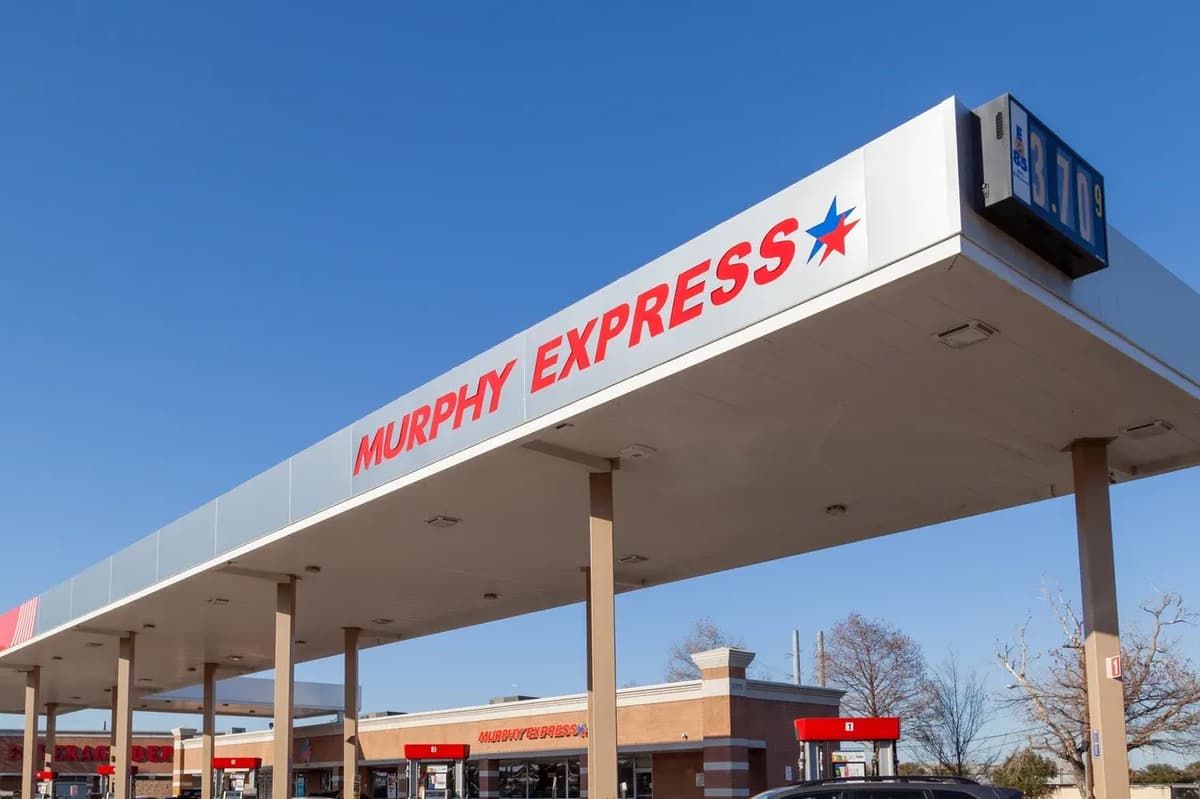
Murphy USA Expands Store Base as Inside Sales Hold Steady
Why It Matters
The margin gains and aggressive store rollout demonstrate Murphy USA’s ability to grow profitably in a price‑sensitive market, strengthening its position in the convenience‑fuel segment.
Key Takeaways
- •Merchandise contribution rose 7.3% to $210.2 million in Q1.
- •Unit margins increased to 20.0% from 19.6% year‑over‑year.
- •All‑in fuel margin reached 35 cents per gallon despite price volatility.
- •Six new stores opened; 45‑55 additions planned for 2026.
- •Bolt‑on acquisition strategy targets further footprint expansion.
Pulse Analysis
Murphy USA runs a hybrid convenience‑store and fuel‑retail model that relies on high transaction volume and low price points. With commodity prices volatile and consumers tightening belts, the firm’s ability to keep fuel margins positive is a rare advantage. Rising crude costs usually squeeze retailers, yet Murphy generated an all‑in margin of 35 cents per gallon in Q1, outpacing many peers. This resilience highlights the strategic benefit of owning both the pump and the shop, capturing upside from higher fuel prices while still offering value‑driven merchandise. The model also benefits from lower operating costs compared with full‑service stations.
The Q1 release showed merchandise contribution rise 7.3 percent to $210.2 million and unit margins improve to 20.0 percent from 19.6 percent a year ago. Inside sales stayed flat despite a dip in discretionary, non‑nicotine categories, while nicotine products delivered strong growth that added $14 million to margin contribution. This balanced performance proves Murphy’s low‑cost, high‑volume model can offset softness in some lines with strength in others. The 35‑cent per‑gallon fuel margin is viewed as a hedge against inflationary pressure on consumer spending. Analysts note that the steady inside sales mitigate risk from volatile fuel demand.
Expansion is central to Murphy’s 2026 plan. Six stores opened in Q1 and the firm targets 45‑55 new locations this year, with 18 under construction. The pipeline mixes greenfield sites and bolt‑on acquisitions in markets where Murphy already operates. Adding convenience footprints boosts fuel volume and diversifies higher‑margin merchandise revenue. If acquisitions proceed, the retailer could accelerate scale, strengthen supplier bargaining power, and tighten its competitive stance against larger chains such as Speedway and Circle K. The broader footprint positions Murphy to capture emerging demand for on‑the‑go food and electric‑vehicle charging.
Murphy USA expands store base as inside sales hold steady
Comments
Want to join the conversation?
Loading comments...