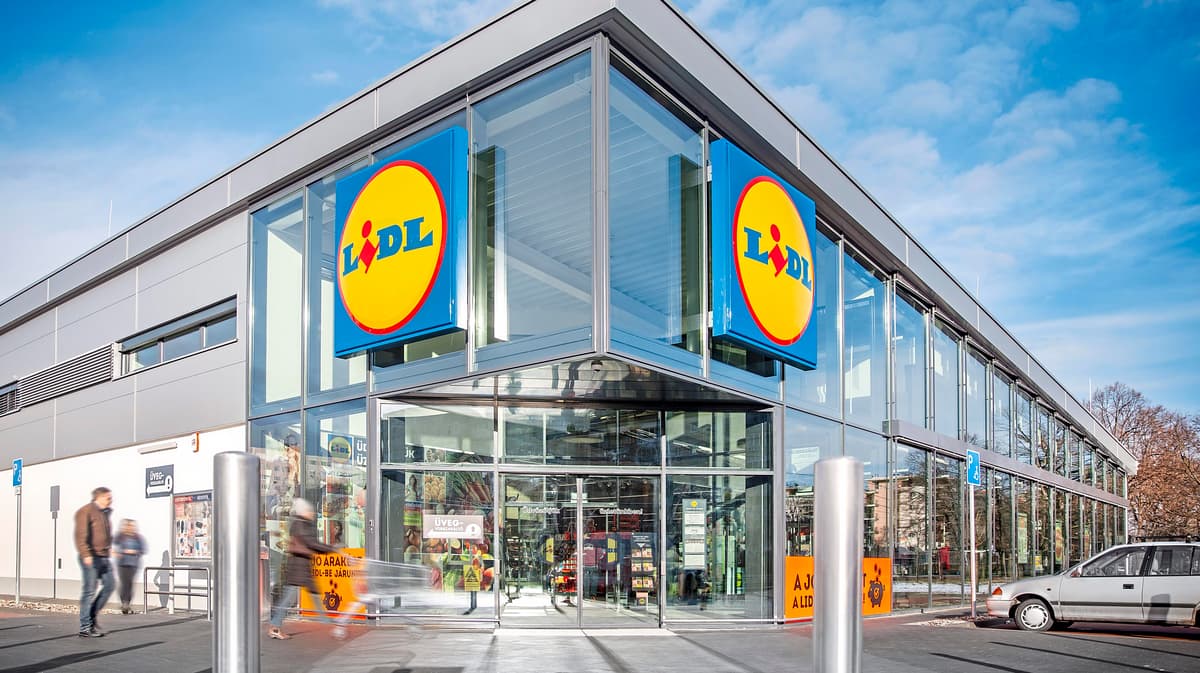
Nach Regierungswechsel: Händler Wollen in Ungarn Investieren
Why It Matters
Easing restrictive regulations would make Hungary a more attractive destination for foreign capital, potentially boosting trade flows and fiscal stability. The change could reshape Central‑European supply chains and benefit U.S. firms seeking a foothold in the region.
Key Takeaways
- •New Hungarian government signals policy liberalization for foreign merchants
- •Existing special tax regimes generate significant revenue for Budapest
- •Investors await repeal of discriminatory licensing rules
- •Retail sector could see €200 million (≈$215 M) inflows
- •Improved market access may boost EU‑Hungary trade balance
Pulse Analysis
The recent political turnover in Budapest marks a pivotal moment for Central‑European commerce. Viktor Orbán’s departure ends a decade of nationalist economic policies that prioritized state‑controlled revenue streams over market openness. Analysts expect the incoming coalition to align more closely with EU competition standards, creating a regulatory environment that rewards transparency and foreign participation. This realignment could also ease diplomatic tensions, encouraging multinational firms to reassess Hungary as a strategic hub for regional distribution.
Under Orbán, a suite of special tax arrangements and licensing requirements funneled billions of euros into the national treasury while imposing higher compliance costs on non‑domestic traders. Critics argued these rules distorted market competition, limiting the ability of foreign retailers to compete on price and scale. The revenue generated—estimated at several hundred million euros annually—has been a fiscal lifeline for the government, but it also acted as a barrier to entry for firms seeking to expand into the Hungarian market. Reforming or eliminating these regimes would not only level the playing field but also reduce administrative burdens that have deterred investment.
Looking ahead, the prospect of regulatory reform is likely to spark renewed interest from U.S. and Western European companies. Sectors such as food retail, consumer electronics, and logistics stand to benefit from a more predictable legal framework and potential tax incentives aimed at attracting foreign capital. If the government successfully balances revenue needs with market openness, Hungary could see an influx of up to €200 million (about $215 million) in new retail investment within the next two years, bolstering job creation and enhancing the EU‑Hungary trade balance. Stakeholders will watch closely as policy details emerge, gauging the depth of change and its implications for regional supply chains.
Nach Regierungswechsel: Händler wollen in Ungarn investieren
Comments
Want to join the conversation?
Loading comments...