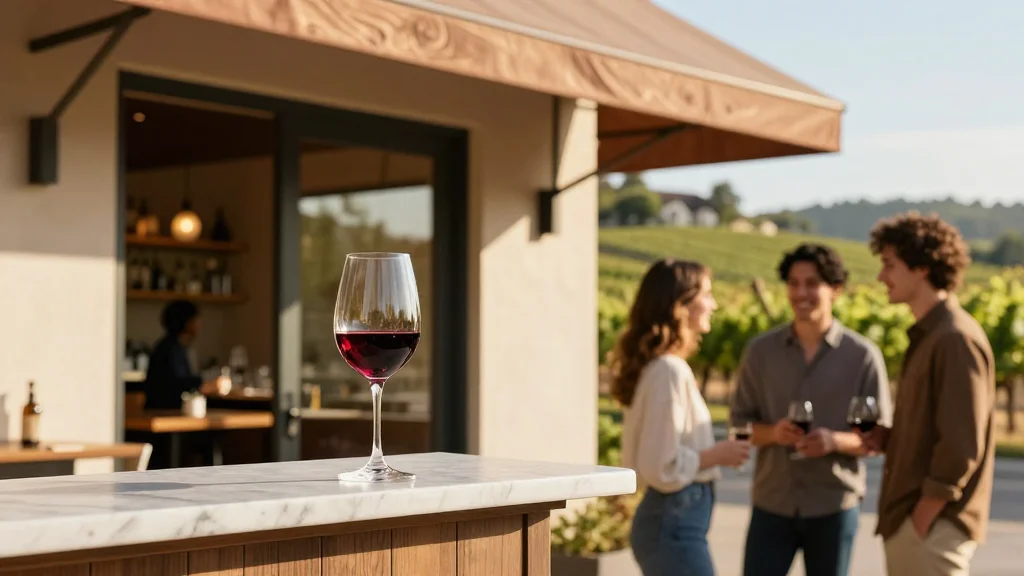
Napa Valley Shifts to Walkable, Mass‑Market Wine Experiences to Stem Sales Decline

Why It Matters
The Napa Valley shift reflects a broader reconfiguration of the retail experience in the alcohol sector, where legacy premium brands must reconcile exclusivity with accessibility. By integrating wine tasting into a walk‑able, mixed‑use environment, Napa aims to capture younger spenders who are increasingly gravitating toward experiential retail and value‑oriented purchases. If successful, the model could accelerate a nationwide trend toward de‑institutionalizing wine tourism, prompting wineries across the United States to redesign their sales funnels, pricing strategies, and physical footprints. Beyond the immediate revenue implications, the change could influence supply chain dynamics, from grape growers to distributors, as demand steadies around more frequent, lower‑ticket visits rather than occasional high‑spend tours. It also raises questions about brand positioning: can premium wineries maintain their aura of exclusivity while embracing a mass‑market approach? The outcome will inform how other luxury‑oriented retail categories—spirits, craft beer, and even high‑end fashion—navigate the tension between heritage and the demand for on‑demand, socially driven experiences.
Key Takeaways
- •Napa Valley launches walk‑able downtown tasting model to replace reservation‑only visits.
- •Strategy targets Millennials and Gen Z, emphasizing convenience, lower price points, and social atmosphere.
- •U.S. premium wine sales have softened amid competition from spirits, canned cocktails and non‑alcoholic drinks.
- •Neighboring regions Sonoma and Paso Robles are testing similar low‑reservation concepts.
- •Quarterly performance review scheduled for late summer to assess visitor counts and spend.
Pulse Analysis
Napa Valley’s pivot is less a crisis response than a strategic realignment with the evolving retail landscape. Historically, Napa’s brand equity hinged on scarcity—limited‑access tastings that reinforced a luxury narrative. That model delivered high per‑guest spend but left the region vulnerable to macro‑shifts in consumer behavior, especially among younger cohorts who value flexibility over exclusivity. By democratizing the tasting experience, Napa is betting that increased foot traffic and higher visitation frequency will offset lower average transaction values.
The move mirrors a broader retail convergence where product, hospitality and entertainment co‑exist under one roof. In the food‑service sector, concepts like "wine bars with small plates" have already proven profitable by extending dwell time and encouraging repeat visits. Translating that to a wine‑tourism context could unlock new revenue streams, such as on‑site retail sales, event hosting, and cross‑promotion with local artisans. However, the transition carries risk: diluting the premium aura may alienate traditional high‑spending tourists, and wineries will need to manage inventory and staffing to accommodate a more unpredictable flow of guests.
From a competitive standpoint, Napa’s experiment could set a benchmark for other premium wine regions. If the downtown model stabilizes sales, it may pressure regions that have clung to the reservation‑only paradigm to innovate or risk losing market share. Conversely, failure to generate the expected lift could reinforce the value of exclusivity, prompting a re‑investment in high‑touch experiences. Investors and distributors will be watching the upcoming quarterly metrics closely, as they will signal whether the industry’s next growth chapter will be built on accessibility or a renewed focus on curated luxury.
Napa Valley Shifts to Walkable, Mass‑Market Wine Experiences to Stem Sales Decline
Comments
Want to join the conversation?
Loading comments...