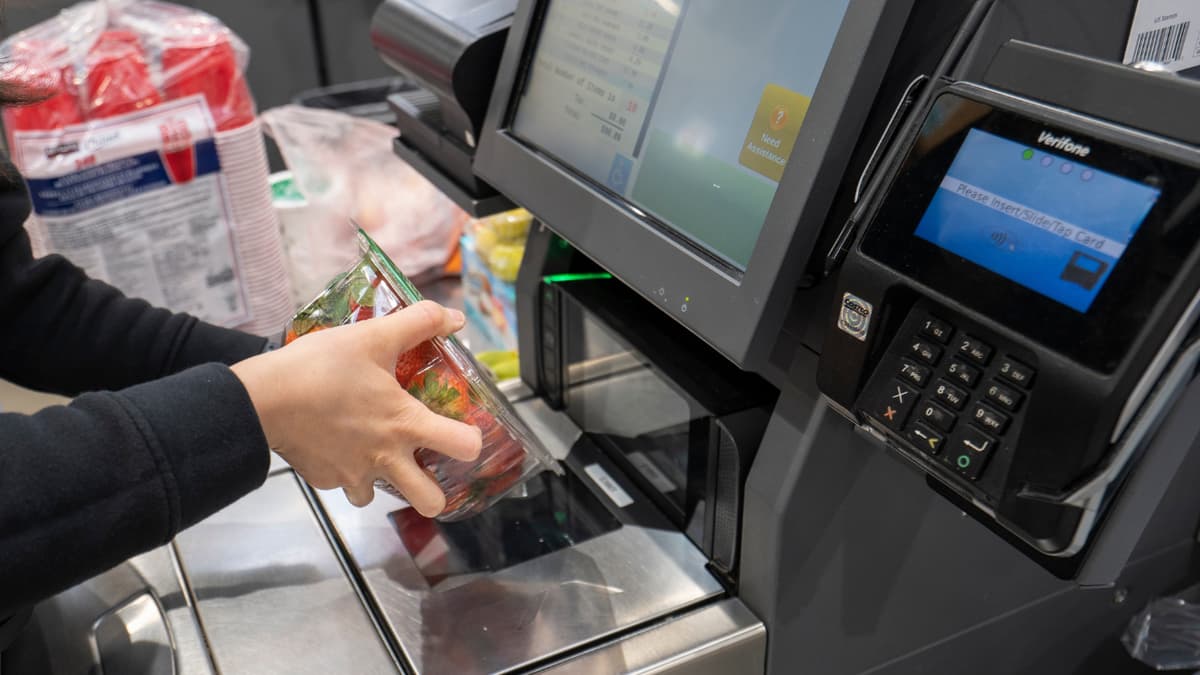
NYC Considers Regulating Self-Checkout
Companies Mentioned
Why It Matters
The rule could reshape labor costs and checkout strategies for major retailers, while setting a precedent for municipal regulation of automated retail technology.
Key Takeaways
- •15‑item cap per self‑checkout transaction proposed in NYC
- •One employee required per three self‑checkout lanes, $100 daily fine
- •Similar limits already enacted in Long Beach, pending in Rhode Island
- •Retailers may shift to staffed lanes or alternative scan‑and‑go tech
Pulse Analysis
Municipal regulators are increasingly scrutinizing self‑checkout systems as shrinkage and safety concerns rise. New York City’s draft "Safe Stores Are Staffed Stores" law would cap purchases at 15 items and enforce a staffing ratio of one employee for every three self‑checkout stations. By imposing a $100‑per‑day penalty for non‑compliance, the city signals a willingness to use financial levers to protect both inventory and workers, echoing Long Beach’s 2025 ordinance and Rhode Island’s pending proposals. These measures reflect a broader trend where local governments intervene to balance automation benefits with the human element in retail environments.
For large retailers, the legislation could trigger a reassessment of store layouts and labor budgeting. Chains with extensive self‑checkout footprints—such as Sam’s Club and Costco—may need to reallocate staff or invest in hybrid models that combine staffed kiosks with advanced scan‑and‑go solutions. The operational cost of adding personnel to monitor lanes could be offset by reduced theft losses, but the net impact will vary by store size and transaction volume. Some operators might accelerate the rollout of contactless mobile checkout apps that bypass traditional self‑checkout hardware altogether, thereby sidestepping the new staffing requirements.
The policy debate also raises questions about the future of retail automation nationwide. While self‑checkout promises speed and labor savings, the emerging regulatory landscape suggests that unchecked deployment could provoke backlash from labor groups and local officials. Retailers that proactively integrate robust loss‑prevention technology—such as AI‑driven video analytics—and maintain a visible staff presence are likely to navigate these changes more smoothly. As cities like New York set precedents, the industry may see a shift toward more balanced, hybrid checkout experiences that preserve efficiency without sacrificing security or employment standards.
NYC considers regulating self-checkout
Comments
Want to join the conversation?
Loading comments...