On Their Toes: Brands Step up Anti-Counterfeit Drive as Fake Products Flood Markets
Why It Matters
The crackdown highlights growing supply‑chain vulnerabilities that threaten consumer safety and brand reputation, compelling firms to invest heavily in authentication technology and distributor oversight.
Key Takeaways
- •Brands adopt raised watermarks and transparent colour layers on packaging
- •Nestlé tightens distributor checks after counterfeit noodles and chocolate incidents
- •Mother Dairy implements traceability systems for fresh‑milk supply chain
- •Counterfeit raids increasingly target wholesale distributors, not just factories
Pulse Analysis
The counterfeit wave sweeping India’s consumer goods sector is no longer a niche concern; it now spans everyday essentials from toothpaste to cigarettes. Rapid replication of logos, holograms and even packaging textures has turned counterfeiters into sophisticated operators, leveraging online marketplaces and informal distribution channels. As social media amplifies consumer complaints, brands face heightened scrutiny, forcing them to act swiftly to protect both health outcomes and brand equity.
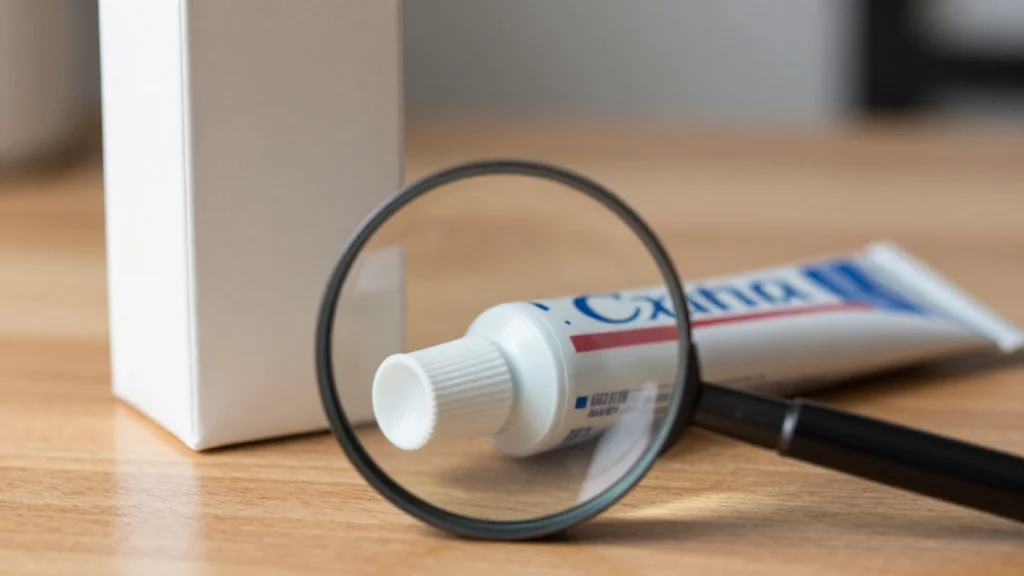
In response, leading manufacturers are redesigning product packaging with multi‑layered security features. Haleon’s new Sensodyne tubes incorporate raised watermarks in transparent colour, a visual cue invisible to most shoppers but detectable by trained trade teams. Nestlé has expanded its audit regime across the entire supply chain, verifying batch integrity at distributor warehouses and retail outlets. Mother Dairy’s rollout of digital traceability tags enables real‑time monitoring of milk provenance, while Amul emphasizes strict segregation of authorized distribution networks to counteract rogue supply lines. These measures reflect a shift from reactive raids to proactive, technology‑driven safeguards.
The broader implication is a rebalancing of enforcement responsibilities between regulators and private firms. While agencies like the FSSAI and Delhi Police conduct periodic factory raids, the majority of counterfeit activity now occurs downstream, where oversight is fragmented. Companies are therefore investing in education programs for retailers and leveraging data analytics to flag anomalies on social platforms. This collaborative, multi‑stakeholder approach is likely to become the new norm, as brands seek to restore consumer trust and safeguard market share in an increasingly counterfeit‑prone environment.
On their toes: Brands step up anti-counterfeit drive as fake products flood markets
Comments
Want to join the conversation?
Loading comments...