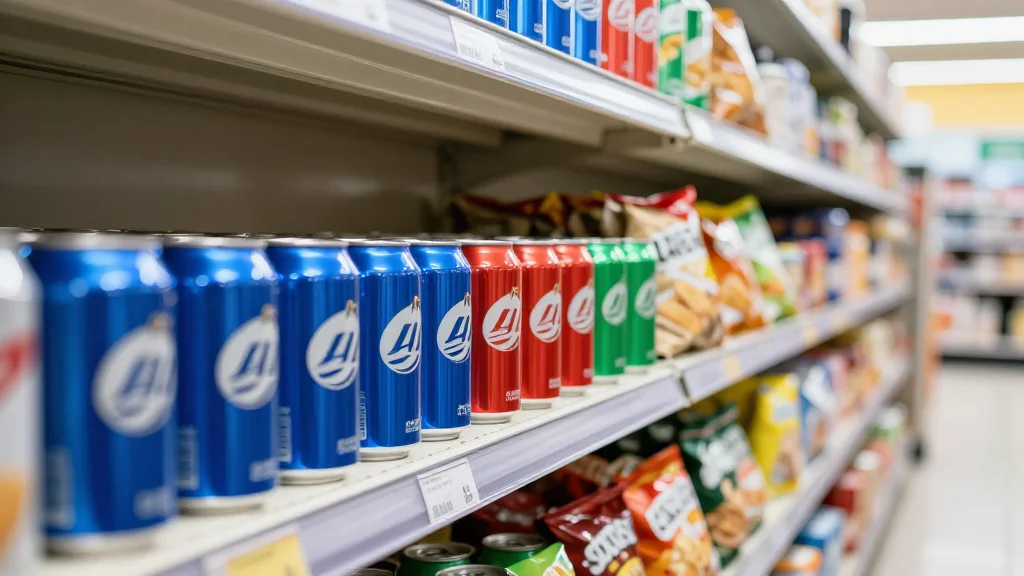
PepsiCo Q1 Profit Jumps 27% to $2.33 Billion, Boosting Retail Shelf Momentum

Companies Mentioned
Why It Matters
PepsiCo’s earnings surge signals that its core brands remain resilient amid a shifting consumer landscape that favors health‑focused and premium products. For retailers, the company’s strong performance translates into more reliable traffic drivers and the ability to negotiate better terms for shelf placement, promotional spend, and inventory turnover. The earnings also highlight the broader health of the packaged‑goods sector, suggesting that even as commodity costs rise, leading firms can protect margins through pricing power and product innovation. The results come at a time when the non‑alcoholic beverage market is projected to expand to $1.31 trillion by 2032, driven by functional drinks, zero‑sugar offerings, and online retail growth. PepsiCo’s ability to capture a share of that expansion will shape category dynamics across grocery, convenience, and club channels, influencing everything from shelf allocation to private‑label competition.
Key Takeaways
- •PepsiCo Q1 profit rose 27% to $2.327 billion, EPS $1.70 vs. $1.33 a year ago.
- •Revenue increased 8.5% to $19.443 billion, powered by beverage and snack volume growth.
- •Adjusted earnings reached $2.204 billion, indicating strong underlying performance.
- •Trade promotion spend held at just above 3% of revenue, supporting retailer margins.
- •Company projects full‑year revenue growth in the high‑single digits amid expanding functional beverage trends.
Pulse Analysis
PepsiCo’s Q1 results underscore a rare blend of volume expansion and pricing discipline that many of its peers have struggled to achieve in a cost‑inflated environment. The firm’s ability to lift earnings by more than a quarter while keeping trade spend modest suggests that its pricing architecture—particularly in the snack segment—has outpaced inflationary pressures. This gives PepsiCo a competitive edge in negotiations with retailers, who are increasingly sensitive to promotional overload and margin erosion.
Historically, the packaged‑goods sector has seen profit growth driven by either cost cuts or price hikes, but rarely both simultaneously. PepsiCo’s success appears rooted in strategic product innovation that commands premium pricing, such as its zero‑sugar soda lines and protein‑enriched snack variants. These offerings tap into the wellness‑first consumer mindset highlighted in market forecasts, positioning PepsiCo to capture incremental share from both traditional soda drinkers and the fast‑growing functional beverage segment.
Looking forward, the key risk lies in commodity volatility and the pace of consumer shift toward private‑label alternatives. While PepsiCo’s supply‑chain initiatives have mitigated some cost exposure, sustained raw‑material price spikes could pressure margins if price elasticity forces retailers to demand deeper discounts. Moreover, the accelerating adoption of direct‑to‑consumer channels could reshape the retail landscape, forcing PepsiCo to balance its brick‑and‑mortar strength with digital distribution capabilities. The company’s upcoming guidance and its execution on sustainability commitments will be critical indicators of whether this quarter’s momentum can be translated into long‑term market leadership.
PepsiCo Q1 profit jumps 27% to $2.33 Billion, boosting retail shelf momentum
Comments
Want to join the conversation?
Loading comments...