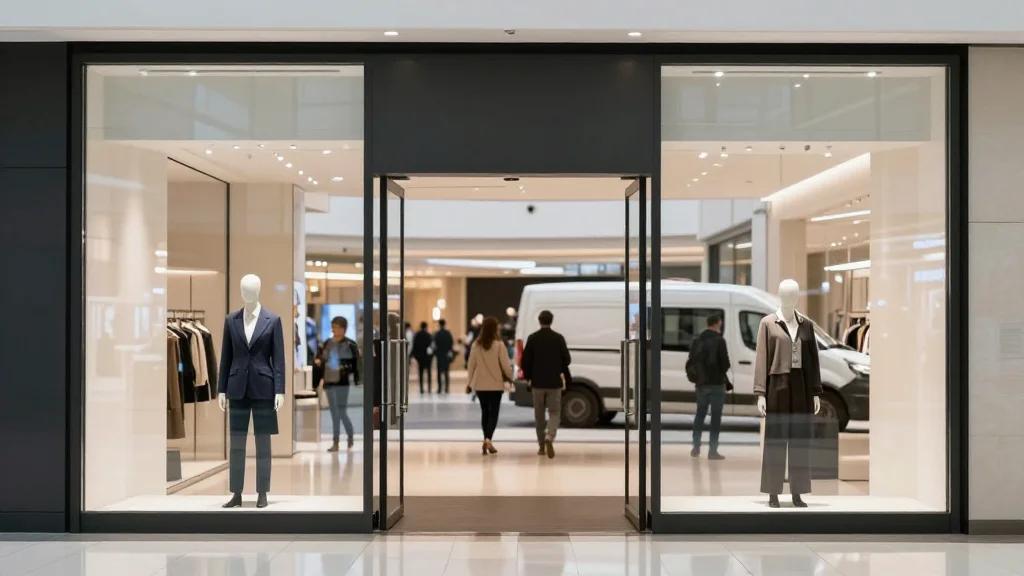
Physical Retail Bounces Back as E‑commerce Growth Stalls, Report Shows

Companies Mentioned

Why It Matters
The report’s findings matter because they challenge the prevailing assumption that e‑commerce will dominate retail forever. A 5.4% vacancy rate—its lowest in two decades—means landlords and developers can command higher rents, reshaping commercial real estate economics. For brands, the shift back to physical stores offers a tangible way to reduce fulfillment costs, improve return processing and create immersive brand experiences that digital channels struggle to replicate. Investors and policymakers will watch these trends closely as they influence employment, urban planning and the allocation of capital across the retail sector. Moreover, the data highlight systemic pressures on pure‑online models: rising ad costs, privacy‑driven targeting limits, and high cart abandonment rates. Retailers that can blend online convenience with in‑store strengths are poised to capture market share, while those that ignore the evolving role of brick‑and‑mortar may see valuation declines similar to Allbirds’ recent sale.
Key Takeaways
- •Shopping‑center vacancy fell to 5.4% in 2024, the lowest in 20 years.
- •E‑commerce accounted for 16.4% of U.S. retail sales in 2025, up marginally from 16.3% in Q2 2020.
- •Two‑thirds of online orders now involve a physical store for pickup, return or fulfillment.
- •Average cost‑per‑click for digital ads rose 40‑50% over the past five years.
- •Allbirds, once valued at $4 billion, sold for $39 million, illustrating DTC challenges.
Pulse Analysis
The resurgence of brick‑and‑mortar stores reflects a broader correction in retail economics. After a decade of aggressive digital expansion, the marginal gains from online sales have diminished, partly due to privacy‑driven ad constraints and the high cost of acquiring customers. Physical locations now provide a cost‑effective fulfillment node, especially for returns—a pain point that erodes profit margins in pure‑online models. Retailers that can leverage stores as micro‑fulfillment centers reduce shipping distances, lower last‑mile expenses, and improve inventory turnover.
Historically, the retail sector has cycled between centralization and decentralization. The pandemic accelerated the decentralization of inventory to stores, and the current data suggest that this shift may become permanent. Developers are responding by re‑imagining malls as mixed‑use hubs that blend retail, entertainment, and residential space, further lowering vacancy risk. Brands that invest in omnichannel capabilities—integrating inventory, loyalty programs and in‑store experiences—are likely to outperform peers still focused on a single channel.
Looking forward, the key question is whether the current low vacancy rates will sustain as consumer preferences evolve. If digital advertising costs continue to climb and privacy regulations tighten, the incentive to maintain a robust physical footprint will grow. Conversely, breakthroughs in AI‑driven personalization could revive the profitability of online channels. For now, the data point to a retail landscape where success hinges on fluidly moving between the digital and physical realms, turning stores into strategic assets rather than cost centers.
Physical Retail Bounces Back as E‑commerce Growth Stalls, Report Shows
Comments
Want to join the conversation?
Loading comments...