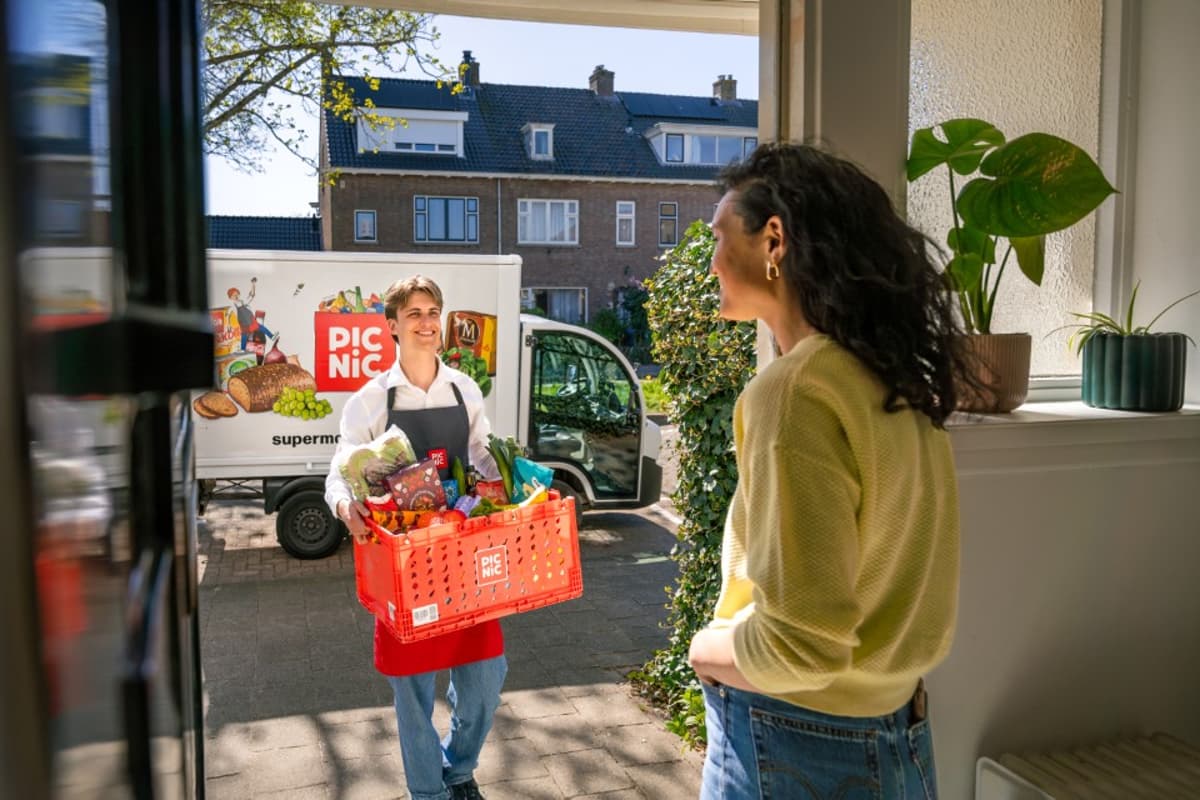
Picnic to Start Delivering Meals in the Netherlands: “A 4-Billion-Euro Market”
Why It Matters
Picnic’s entry into the ready‑meal space challenges high‑priced delivery platforms and could reshape Dutch consumer spending on home‑cooked versus takeout meals. By bundling free delivery with groceries, Picnic leverages its logistics advantage to capture price‑sensitive shoppers.
Key Takeaways
- •Picnic Kookt launches with ~20 dishes at €10 (~$11) each.
- •Service free delivery bundled with grocery orders across Netherlands.
- •Targets €4 billion Dutch ready‑meal market projected for 2024.
- •Competes with Uber Eats, Just Eat by offering lower‑priced, organic meals.
- •Rollout aims to cover all 1.5 million Picnic customers within months.
Pulse Analysis
Picnic’s foray into freshly prepared meals reflects a broader shift in European e‑commerce, where grocery platforms are expanding beyond pantry staples to capture the lucrative ready‑meal segment. The Dutch market, projected to generate over €4 billion (about $4.4 billion) in 2024, is ripe for disruption as consumers grow wary of rising delivery fees and heavily processed options from traditional takeout services. By leveraging its existing fulfillment network and offering meals at roughly half the price of Uber Eats or Just Eat, Picnic positions itself as a cost‑effective, quality‑focused alternative.
The competitive advantage lies in Picnic’s integrated logistics model. Partnerships with PostNL and DHL already enable free, door‑to‑door grocery delivery; extending this to meals eliminates the separate fee structures that plague pure‑play delivery apps. Moreover, the emphasis on locally sourced, organic ingredients aligns with increasing consumer demand for transparency and healthfulness. This strategy not only differentiates Picnic Kookt from price‑driven rivals but also taps into the growing preference for sustainable, low‑additive meals, potentially attracting a demographic that previously shopped at premium supermarkets.
Industry observers anticipate that Picnic’s aggressive rollout could pressure incumbent meal‑delivery platforms to reevaluate pricing and menu quality. As the service scales to cover all 1.5 million Picnic users, the company may achieve economies of scale that further compress margins, making the model increasingly profitable. If successful, the approach could serve as a blueprint for other European grocery players seeking to diversify revenue streams and deepen customer loyalty in a market where convenience and value are paramount.
Picnic to start delivering meals in the Netherlands: “A 4-billion-euro market”
Comments
Want to join the conversation?
Loading comments...