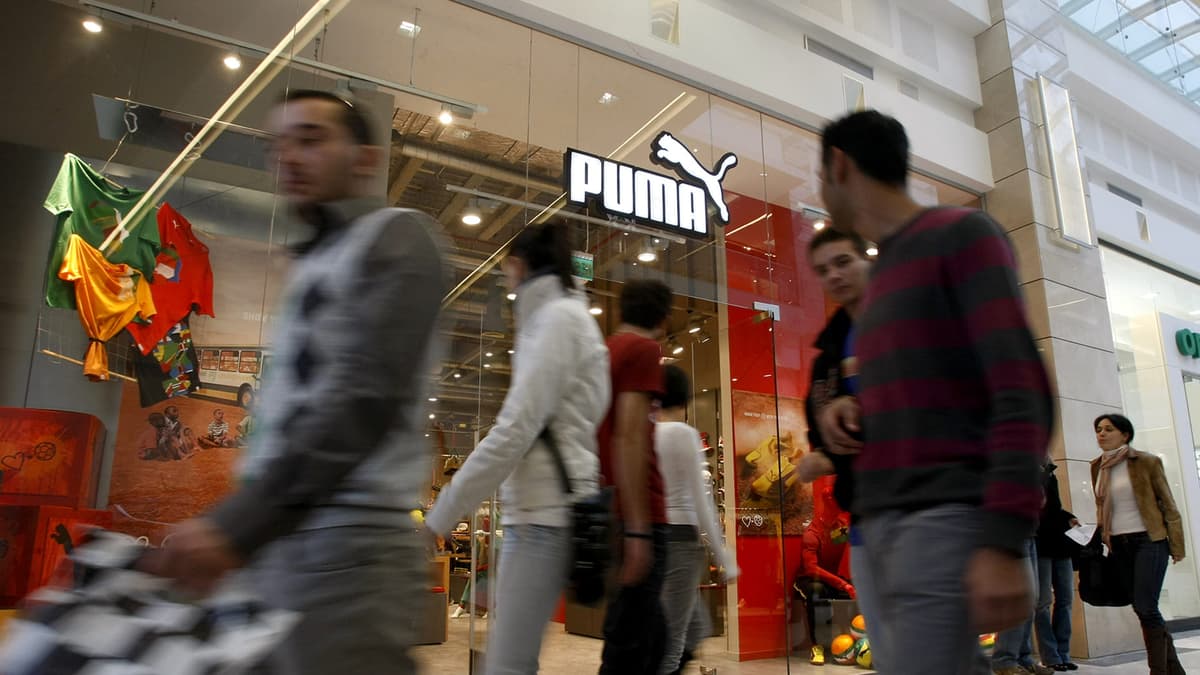
Puma Bets on Direct Sales Playbook of New Top Shareholder, China’s Anta
•March 9, 2026
0
Why It Matters
The partnership gives Puma a proven direct‑sales framework to reverse margin erosion, while Anta gains a foothold in the global premium sports market, reshaping competitive dynamics.
Key Takeaways
- •Puma lost €645.5 million in 2025
- •Wholesale share fell to 68% of sales
- •Anta to acquire 29% stake, become top shareholder
- •Direct‑sales ratio target mirrors Anta’s sub‑10% wholesale
- •1,400 jobs cut as part of restructuring
Pulse Analysis
Puma’s 2025 financial shock underscores the perils of a wholesale‑heavy distribution strategy in a market where retailers increasingly dictate pricing. The German label’s reliance on discount‑driven channels eroded margins and diluted brand perception, a contrast to rivals Adidas and Nike, whose wholesale mixes sit near 60% and 56% respectively. By pulling inventory from retailers and shrinking wholesale revenue by 17%, Puma is attempting to halt the discount spiral, but the scale of the loss demands a more fundamental overhaul.
Enter Anta Sports, China’s third‑largest sporting‑goods group, whose rapid ascent has been powered by a direct‑to‑consumer model that now accounts for less than 10% of its sales. Anta’s strategy—tight control over product development, data‑driven inventory, and a diversified brand portfolio—has delivered higher margins and stronger consumer loyalty. The 29% stake positions Anta as Puma’s top shareholder, granting the German brand access to Anta’s supply‑chain expertise, digital commerce platforms, and insights into the fast‑growing Chinese consumer base. This cross‑border alliance blends Puma’s heritage design with Anta’s operational efficiency.
For the broader industry, Puma’s pivot signals a possible wave of legacy brands reevaluating wholesale dependence in favor of direct channels, especially as e‑commerce and omnichannel retail accelerate. Investors will watch Puma’s execution closely: successful integration could restore profitability and elevate its market valuation, while missteps may deepen the turnaround risk. Anta’s expansion into a Western marquee brand also highlights Chinese firms’ growing ambition to influence global sportswear trends, potentially reshaping competitive hierarchies over the next decade.
Puma bets on direct sales playbook of new top shareholder, China’s Anta
0
Comments
Want to join the conversation?
Loading comments...