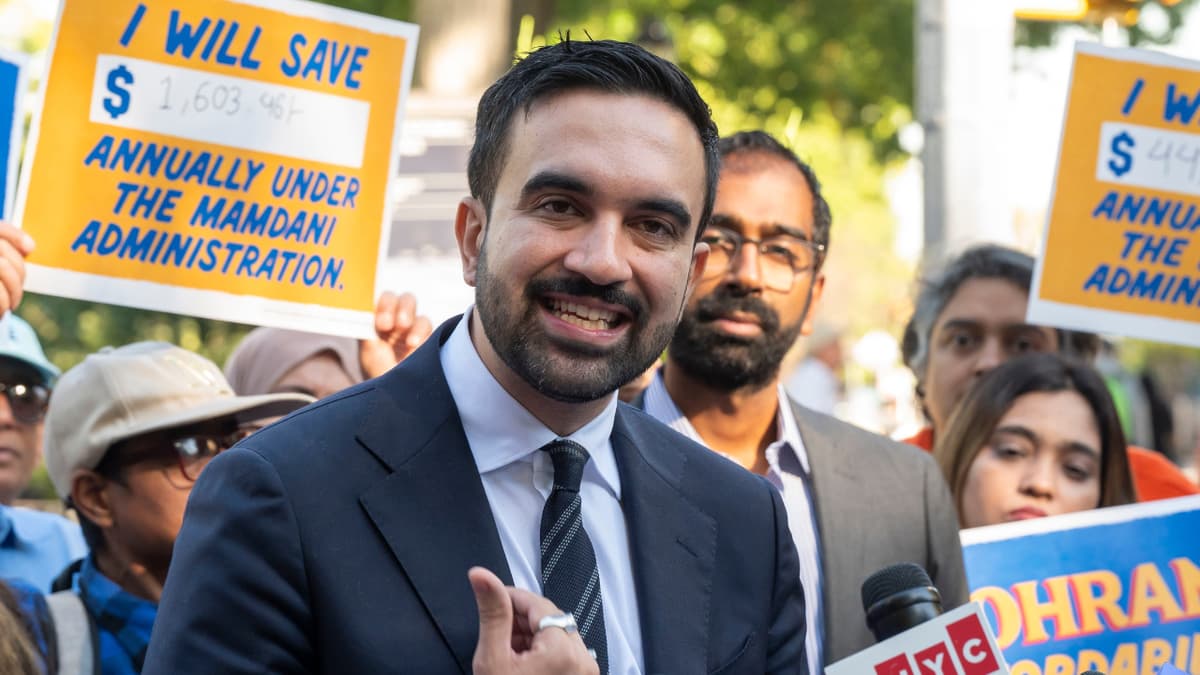
Readers React: NYC Mayor’s $70M Request for City-Run Grocery Stores Is a Wasted Effort
•March 5, 2026
0
Why It Matters
The request tests the city’s fiscal priorities and the effectiveness of direct government intervention in low‑margin retail markets, potentially setting a precedent for municipal involvement in essential services.
Key Takeaways
- •Mayor seeks $70M amid $5.4B budget shortfall.
- •Plan proposes five city-run grocery stores, one per borough.
- •86% of LinkedIn poll respondents doubt funding approval.
- •Critics cite low margins and past city-run failures.
- •Private sector solutions may deliver better food‑desert relief.
Pulse Analysis
The push for city‑run grocery stores comes at a precarious moment for New York City’s finances. Mayor Zohran Mamdani has asked the city council for $70 million to open five flagship supermarkets—one in each borough—while the municipal budget faces a $5.4 billion gap. Proponents argue that municipal ownership can bypass rent and property‑tax burdens, theoretically lowering shelf prices for residents of food‑desert neighborhoods. Yet the request arrives without a clear operating model, leaving legislators to weigh a sizable capital outlay against an already strained fiscal outlook.
Industry insiders warn that the economics of grocery retail are unforgiving. Margins typically hover below three percent, and profitability hinges on scale, efficient supply chains, and sophisticated loss‑prevention measures—advantages that private operators have honed over decades. Past experiments, such as Chicago’s city‑run stores, burned through comparable funding only to request additional capital, reinforcing the perception that municipal ventures struggle to achieve sustainability. Critics on LinkedIn, where 86 % doubted the proposal’s viability, suggest that directing funds to private partners for free‑delivery services could yield quicker, measurable impact.
The debate underscores a broader policy question: should cities intervene directly in retail markets or act as facilitators for private solutions? If the council rejects the $70 million, the mayor may need to redesign the initiative, perhaps by offering targeted subsidies, tax incentives, or public‑private partnerships that leverage existing grocery chains’ expertise. Conversely, approval could set a precedent for municipal involvement in essential services, prompting other jurisdictions to consider similar models. Either outcome will shape how urban governments address food insecurity while navigating fiscal responsibility.
Readers react: NYC mayor’s $70M request for city-run grocery stores is a wasted effort
0
Comments
Want to join the conversation?
Loading comments...