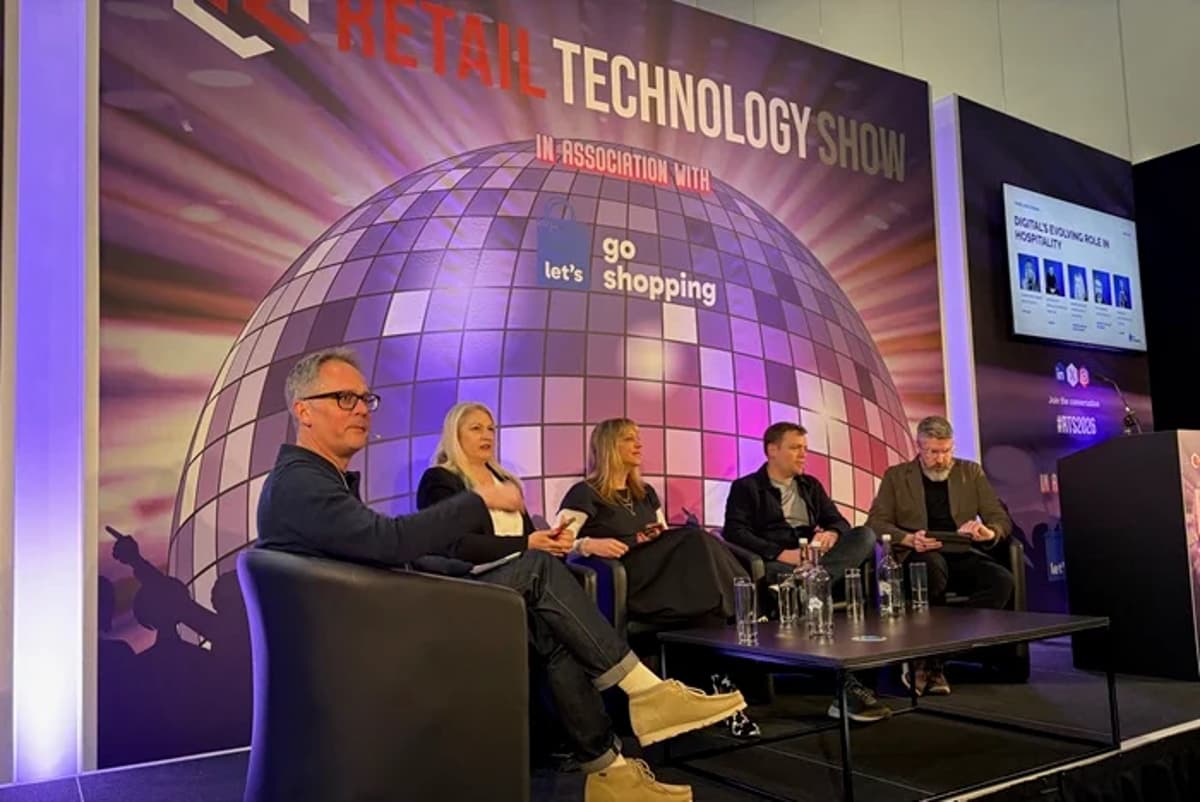
Retail Technology Show Review – Differentiating Through People and Technology
Companies Mentioned

Why It Matters
Retailers that align technology with empowered employees can protect margins, improve customer loyalty, and mitigate cyber‑risk, shaping the competitive landscape across the sector.
Key Takeaways
- •Retail tech pace accelerated; AI pervasive but not overwhelming
- •Currys relies on trained staff to offset store reductions
- •Holland & Barrett invests £300 million (~$380 M) in data stack
- •M&S cyber‑attack cost >£300 million (~$380 M) and raised insurance
- •Loyalty tech adoption drives 60‑80% digital receipt use
Pulse Analysis
The Retail Technology Show served as a barometer for how the sector is coping with an unprecedented acceleration of digital tools. While AI and data analytics dominate headlines, the consensus among speakers was that technology alone cannot close the gap between online convenience and in‑store service. Retailers such as Currys are shrinking physical footprints yet maintaining a 70% touch‑point rate by standardising training and leveraging AI‑enhanced knowledge bases. This hybrid model reduces operational costs while preserving the human interaction that drives higher average basket sizes.
Investment in infrastructure is another theme that emerged, with Holland & Barrett committing roughly $380 million to a modern data stack and automated storage solutions like AutoStore. Such capital outlays aim to create a single‑customer view, a capability that Currys admits is still only 30% achieved. The payoff is a more personalised shopping journey, enabling dynamic pricing, targeted promotions, and seamless omnichannel fulfillment—critical differentiators in a market where 80% of purchases now begin online.
Security and loyalty also featured prominently. Marks & Spencer’s recent cyber‑attack, which cost about $380 million, highlighted the financial stakes of legacy system vulnerabilities and the importance of robust cyber insurance. Simultaneously, the rollout of digital receipt and QR‑code loyalty mechanisms is delivering 60‑80% adoption rates, offering retailers richer data streams for future engagement. For smaller players, plug‑and‑play solutions from firms like Diller promise to democratise loyalty programmes, leveling the playing field against larger chains. In sum, the show reinforced that the future of retail hinges on marrying rapid tech adoption with a people‑first strategy, ensuring both operational resilience and a differentiated customer experience.
Retail Technology Show review – differentiating through people and technology
Comments
Want to join the conversation?
Loading comments...