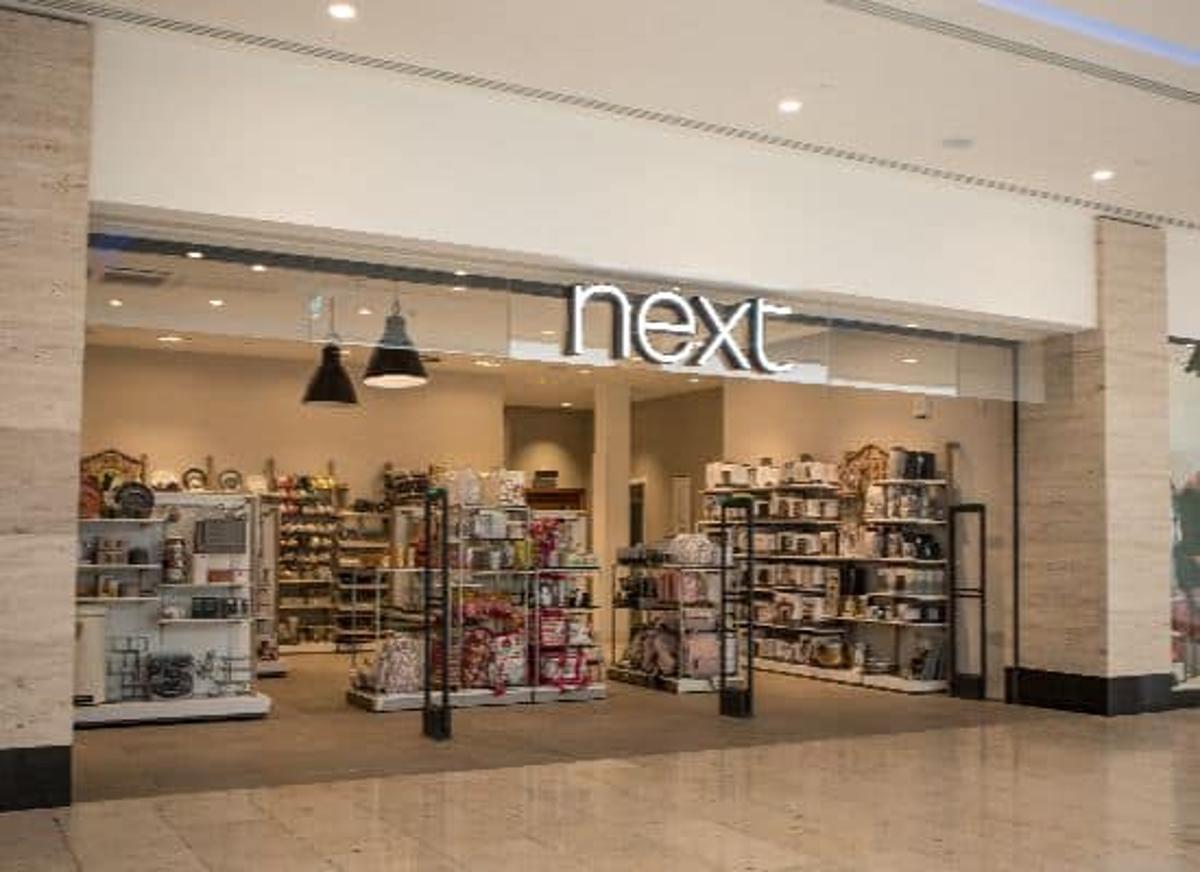
Retailers Warn Middle East Conflict Will Push Prices Higher, with Next Leading the Charge
Companies Mentioned
Why It Matters
The move signals that retailers are preparing to shift inflationary pressure onto consumers, reshaping pricing dynamics and margin management across the European fashion and retail market.
Key Takeaways
- •Next expects to raise prices after £47 million ($60 m) loss from conflict.
- •Sales rose 6.2% YoY, outpacing the 4% forecast.
- •H&M warns extended Middle East instability could add cost pressure.
- •Shipping delays via Red Sea and Suez raise transport costs industry‑wide.
- •Fashion retailers face tight margins, making price shocks more likely.
Pulse Analysis
The war in the Middle East has sent global energy prices soaring and disrupted key maritime corridors such as the Red Sea and the Suez Canal. Those shocks translate into higher freight rates, longer transit times and rising insurance premiums for anyone moving goods internationally. Retail supply chains, already strained by post‑pandemic demand swings, now face an added layer of cost volatility that is difficult to absorb. As a result, analysts expect the pressure to filter through to shelf prices across Europe and beyond.
Next Plc has become one of the first UK retailers to spell out its mitigation plan. After reporting a 6.2% year‑on‑year sales lift—well above the 4% consensus—the company disclosed a £47 million (≈$60 million) hit from higher energy bills and supply‑chain snarls linked to the conflict. To protect margins, Next says it will pass a portion of those costs onto international shoppers while pursuing operational efficiencies to shield UK and European customers. The move signals a willingness to trade short‑term price stability for long‑term profitability.
The broader retail sector is watching Next’s cue closely. Brands such as H&M and Tesco have already flagged “price shock” risks stemming from fuel price spikes and delayed cargo through the Red Sea. For discretionary categories like fashion, where margins are thin, any incremental cost is likely to be passed on, tightening household budgets already squeezed by inflation and a soft labour market. If geopolitical tensions persist, the industry may see a wave of coordinated price adjustments, reshaping consumer spending patterns and prompting analysts to revise earnings forecasts for the coming year.
Retailers warn Middle East conflict will push prices higher, with Next leading the charge
Comments
Want to join the conversation?
Loading comments...