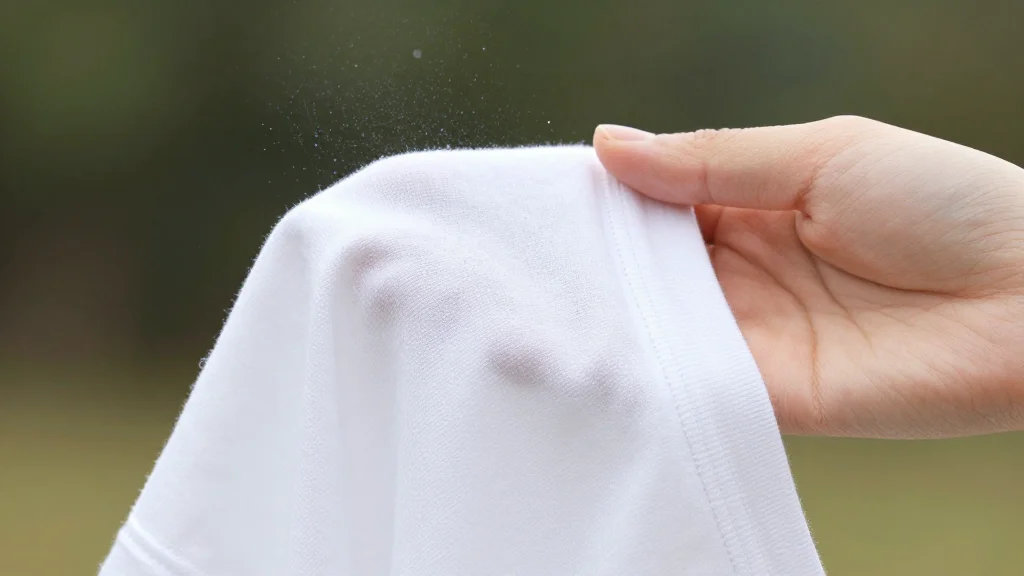
Shoppers Prioritise Natural Fibres as Microplastics Awareness Grows, Study
Why It Matters
Rising consumer awareness of microplastic pollution is reshaping apparel demand toward natural, low‑shedding fibres, pressuring brands to improve transparency. Meeting this shift can unlock market share and mitigate reputational risk.
Key Takeaways
- •41% of US shoppers aware of microplastics, up from 17% in 2017
- •59% likely to seek garments made with microplastic‑free fibres
- •Cotton viewed as environmentally safe, boosting natural‑fibre demand
- •37% feel overwhelmed by unclear sustainability information
- •Clear fibre labeling can drive brand loyalty and sales
Pulse Analysis
Microplastic pollution has moved from a niche environmental concern to a mainstream consumer issue, especially in the apparel sector. Recent data from Cotton Incorporated shows that awareness among U.S. shoppers has more than doubled since 2017, and a clear majority now associate synthetic textiles with micro‑fiber shedding. This heightened consciousness aligns with broader sustainability trends, such as reduced plastic use and increased recycling, and is prompting shoppers to scrutinize the material composition of the clothes they buy.
For manufacturers, the shift translates into tangible pressure to pivot toward natural, low‑shedding fibres. Cotton, as a biodegradable plant‑based material, is gaining a competitive edge because it does not release microplastics during washing. Companies that can scale cotton or other bio‑based fibre production while maintaining cost and performance will likely capture new demand. Simultaneously, supply‑chain actors are investing in anti‑shedding technologies and recycled‑content blends to address the gap for consumers who still favor performance synthetics but demand environmental responsibility.
Brands that act quickly on these insights can turn consumer concern into loyalty. Clear, standardized fibre‑content labeling on product pages and packaging reduces the 37% confusion rate identified in the survey. Educational campaigns that explain the benefits of natural fibres and provide actionable tips—such as washing in cold water or using garment bags—further differentiate forward‑thinking labels. By aligning product development, marketing, and retail experiences with the microplastic‑free narrative, companies can capture a growing segment of eco‑conscious shoppers and future‑proof their market position.
Shoppers prioritise natural fibres as microplastics awareness grows, study
Comments
Want to join the conversation?
Loading comments...