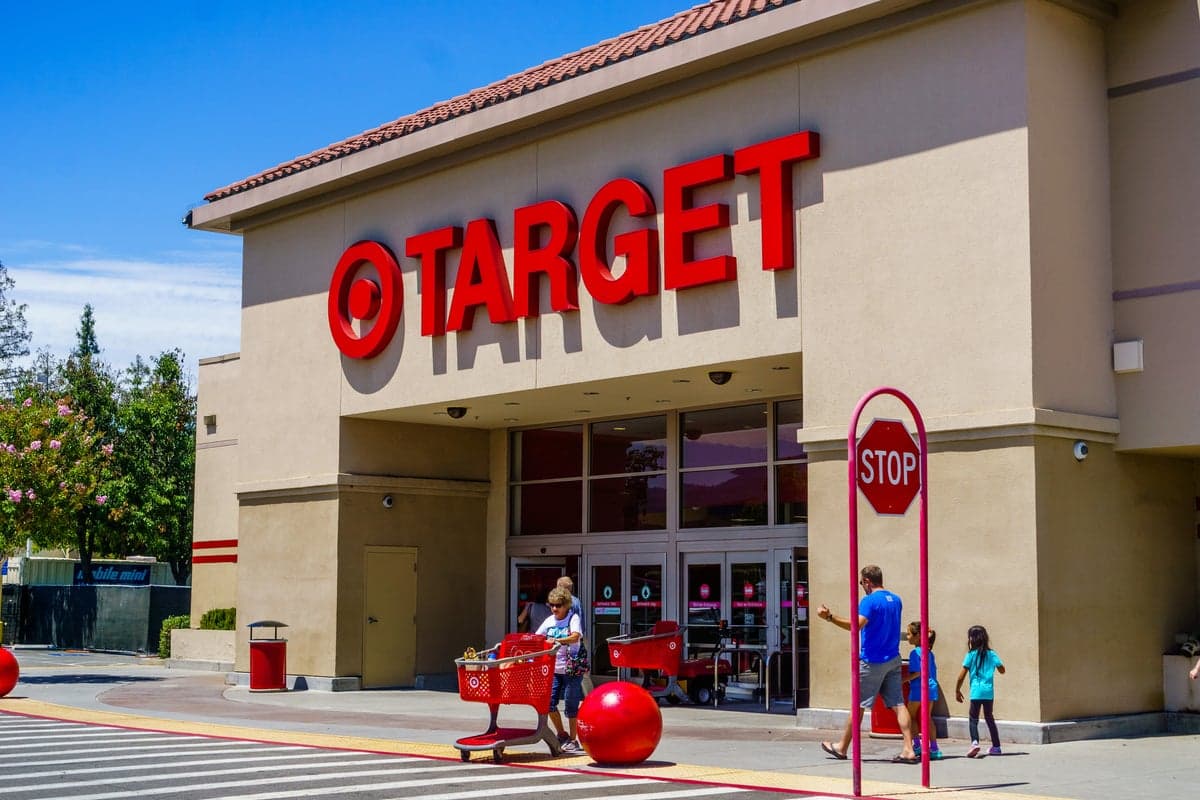
‘Shrink’ Is Down at Target to Pre-Pandemic Levels and Could Signal an End Shoplifting Spree that Plagued Retailers
•March 10, 2026
0
Why It Matters
Lower shrink improves bottom‑line profitability and signals that retailers are regaining control over inventory and loss prevention. The trend may reshape how big‑box chains allocate resources between security and supply‑chain resilience.
Key Takeaways
- •Shrink fell to pre‑pandemic levels at Target
- •2022 shrink cost Target $600 million in profits
- •Inventory predictability drives shrink reduction across retailers
- •Excess pandemic inventory amplified shrink risk in 2022
- •New store expansion continues despite recent sales decline
Pulse Analysis
The term "shrink" captures the gap between recorded inventory and what actually reaches the sales floor, encompassing theft, damage, data errors and vendor discrepancies. During the COVID‑19 pandemic, supply‑chain disruptions forced retailers to over‑order, inflating on‑hand stock and magnifying loss exposure. High‑profile shoplifting incidents added a sensational layer, prompting many stores to lock merchandise and frustrate shoppers. Together, these forces drove an unprecedented rise in shrink, eroding margins and prompting costly security upgrades.
Target’s recent earnings call highlighted a reversal of that trend, with shrink now aligning with pre‑pandemic benchmarks. CFO Jim Lee attributed the improvement to tighter inventory forecasting, better demand sensing, and collaborative anti‑theft initiatives across the industry. Independent consultant Brand Elverston noted that stable inventory levels are the primary driver, as excess stock historically increased the probability of loss. The retailer’s 2022 inventory was 43% higher than the prior year, a factor that directly contributed to the $600 million hit. By normalizing stock levels and refining data accuracy, Target has mitigated both theft‑related and operational shrink components.
Looking ahead, the decline in shrink offers a modest cushion for Target’s broader strategic agenda, which includes opening over 30 new stores this year and targeting 300 additional locations by 2035. However, analysts warn that external pressures—such as tariff adjustments, inflation‑driven price hikes, and potential supply‑chain shocks—could reignite loss rates. The company’s commitment to invest billions in revitalizing the shopping experience aims to boost foot traffic and offset lingering sales weakness. If shrink remains contained, Target could translate inventory efficiency into stronger margins, setting a benchmark for peers navigating the post‑pandemic retail landscape.
‘Shrink’ is down at Target to pre-pandemic levels and could signal an end shoplifting spree that plagued retailers
0
Comments
Want to join the conversation?
Loading comments...