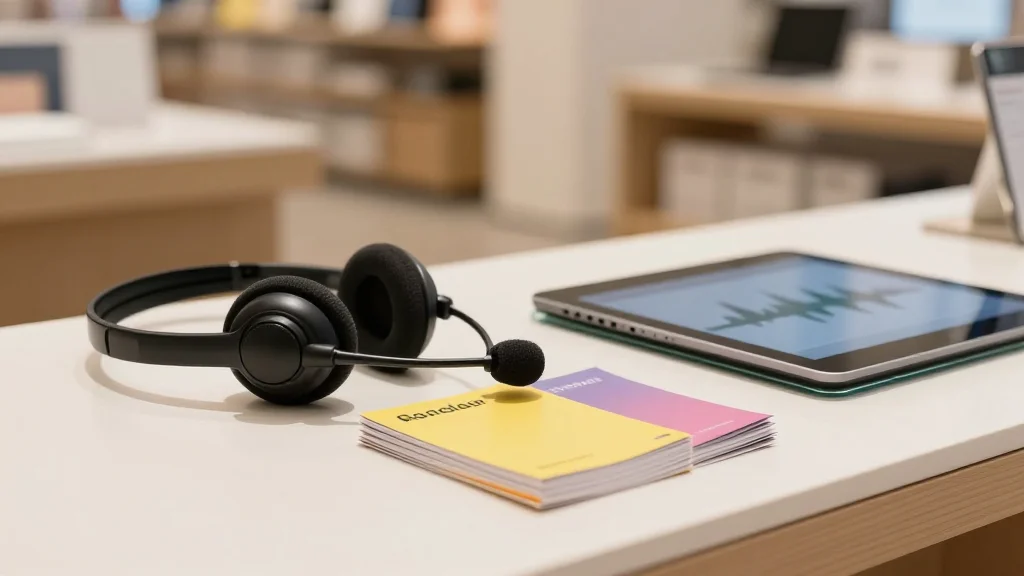
Solving the Multilingual Support Challenge in Retail Customer Service
Why It Matters
Providing seamless multilingual support lifts conversion, safeguards brand trust, and gives retailers a competitive edge in an increasingly global market.
Key Takeaways
- •72% of consumers likely to buy when info is in native language
- •Audit data to identify top languages, focusing resources on highest demand
- •Create a protocol listing top 15 local languages for quick CSR recognition
- •On-demand interpretation offers 24/7 access to 230+ languages, reducing friction
Pulse Analysis
In today’s borderless retail environment, language is no longer a peripheral concern but a core driver of sales performance. Studies show that shoppers abandon purchases up to 30% more often when they cannot access product details in their own language, directly eroding revenue and brand equity. By delivering content and support in a shopper’s native tongue, retailers not only improve conversion rates but also deepen trust, a critical factor for repeat business and word‑of‑mouth referrals.
Building a robust multilingual support operation begins with a disciplined audit of customer language data. Retailers must pinpoint the top languages among their buyer base and allocate translation and interpreter resources accordingly. Once the linguistic landscape is mapped, a clear protocol—such as listing the 15 most common local languages and training CSRs to recognize non‑English cues—ensures swift, accurate routing. The final hand‑off should be frictionless, allowing the customer to speak with a qualified interpreter in real time without callbacks, thereby preserving purchasing intent.
Technology enables the scalability that traditional staffing cannot match. On‑demand interpretation platforms, like those offered by CLI, provide 24/7 access to over 230 languages via voice or video, integrating seamlessly with existing CRM and contact‑center tools. This flexibility not only cuts operational costs but also meets regulatory standards such as HIPAA for health‑related retail sectors. Retailers that adopt these solutions gain a resilient, inclusive customer experience that translates into higher average order values and stronger market positioning.
Solving the Multilingual Support Challenge in Retail Customer Service
Comments
Want to join the conversation?
Loading comments...