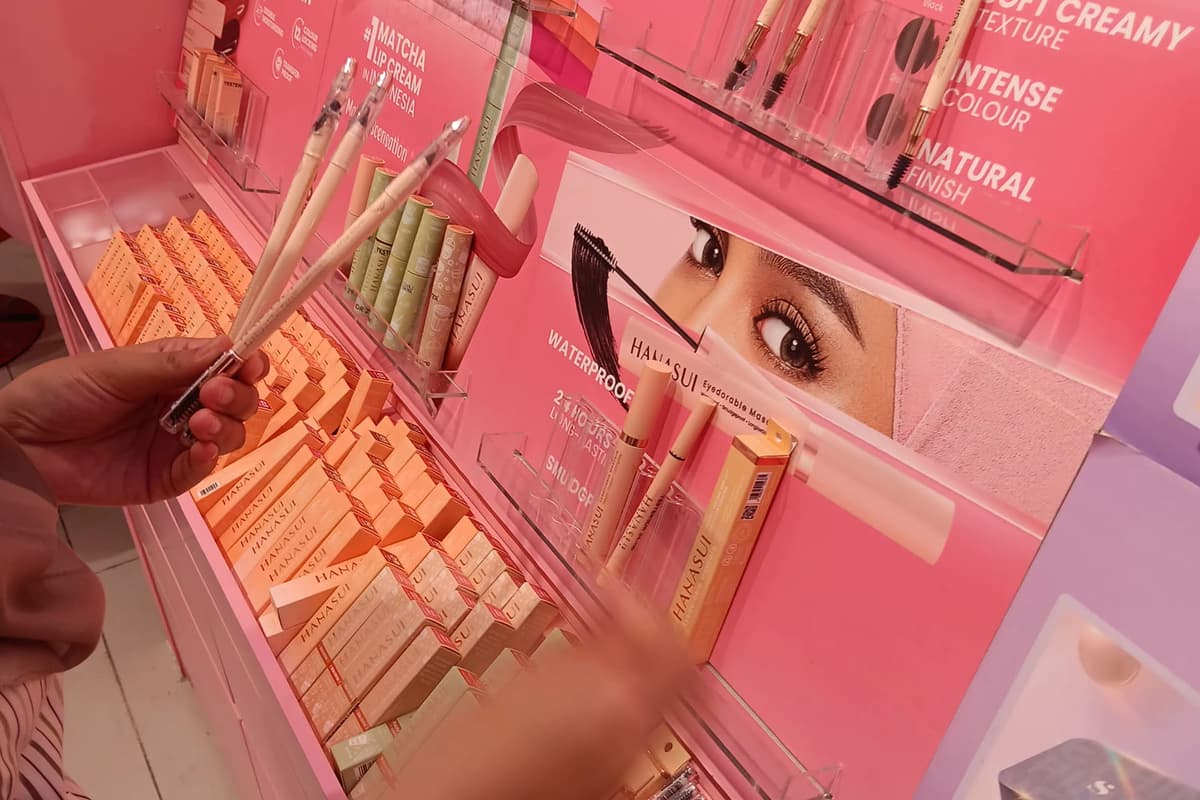
Southeast Asian Beauty Brands Seek Overseas Gloss to Bolster Growth
Companies Mentioned


Why It Matters
The trend signals a shift of consumer spending toward premium, locally resonant products, reshaping market share away from multinational giants and creating new cross‑border growth opportunities, while intensifying competition from agile Chinese players.
Key Takeaways
- •Southeast Asian beauty sales grew 9‑11% in 2025, outpacing GDP.
- •Local brands like Panpuri and Wardah expand regionally, targeting halal markets.
- •Ingredient‑focused skin‑care and multifunctional cosmetics drive consumer spend.
- •E‑commerce and TikTok Shop power rapid adoption of home‑grown brands.
- •Chinese C‑beauty brands pose the biggest competitive threat.
Pulse Analysis
The beauty sector in Southeast Asia has become a rare bright spot in a region grappling with modest economic growth. Euromonitor data shows Thailand’s beauty market expanding 9.4% and Malaysia’s at 11.8% in 2025, while GDP rose only 2.4% and 5.2% respectively. Consumers are willing to pay 30‑60% more per person than in 2019, driven by premium, ingredient‑rich products that command three‑times the price of traditional offerings. This price‑per‑unit surge underscores a broader shift toward high‑margin, skin‑care‑centric categories.
Local brands are capitalising on this momentum by marrying cultural authenticity with modern formulation. Thai companies like Panpuri showcase wellness traditions, while Indonesian players such as Wardah leverage halal certification to win Muslim‑majority markets. The rise of ingredient‑led skin‑care—vitamin C, niacinamide—and multifunctional makeup meets savvy shoppers’ demand for efficacy and convenience. Digital channels amplify reach: e‑commerce now represents nearly a third of regional beauty sales, and TikTok Shop drives real‑time product trials, allowing home‑grown labels to out‑pace global giants in speed and relevance.
The ascent of Chinese C‑beauty brands, however, injects a new competitive pressure. Firms such as Focallure and Pinkflash combine low‑cost pricing with sophisticated social‑media tactics, quickly climbing top‑ten rankings across the region. For Southeast Asian brands, the path forward lies in deepening narrative authenticity, expanding agile supply chains, and harnessing localized digital ecosystems rather than merely copying Chinese playbooks. Investors and executives should watch how these home‑grown innovators balance cultural storytelling with operational scalability to sustain growth amid an increasingly crowded marketplace.
Southeast Asian beauty brands seek overseas gloss to bolster growth
Comments
Want to join the conversation?
Loading comments...