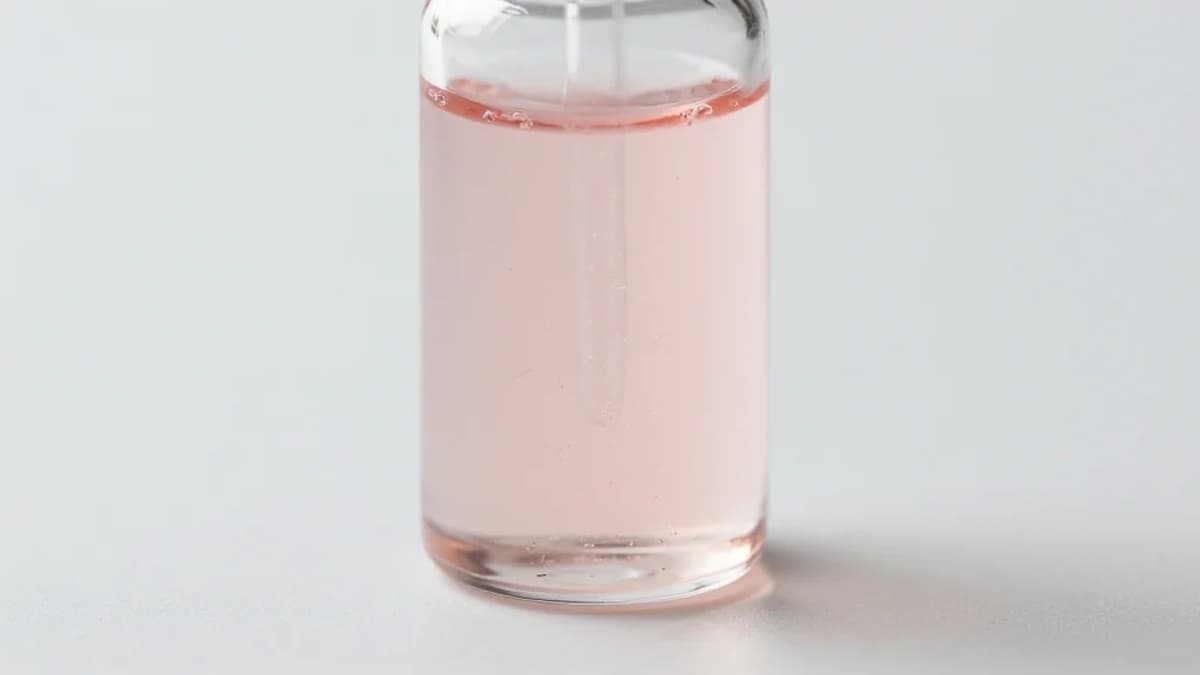
Spicules: The K-Beauty Skin Care Ingredient Primed to Break Through in 2026
•March 4, 2026
0
Why It Matters
Spicules offer a scalable, at‑home method to achieve clinic‑level skin rejuvenation, opening a high‑growth segment for premium skincare brands. Their adoption reinforces Korea’s influence on global beauty trends and could shift consumer spending toward science‑driven, minimally invasive products.
Key Takeaways
- •Spicules are needle‑shaped particles from freshwater sponges.
- •They create temporary micro‑channels mimicking microneedling.
- •Boosts penetration of actives without invasive tools.
- •Expected 12‑15% CAGR for spicule skincare products.
- •Korea leads development, driving global market adoption.
Pulse Analysis
The skincare industry has spent the last year chasing breakthrough actives such as exosomes and PDRN, but 2026’s headline is likely to be spicules. Derived from the freshwater sponge genus Spongilla, these ultra‑fine, needle‑shaped particles have been championed by Korean formulators as a “liquid microneedling” tool that can be incorporated into serums, creams and masks. Their origin in marine biology gives them a natural‑appeal narrative that aligns with the clean‑beauty movement, while Korea’s reputation for rapid ingredient adoption ensures they will appear on shelves worldwide within months.
Spicules work by creating thousands of microscopic channels when massaged into the epidermis. The particles remain lodged in the superficial layers for several days before shedding naturally, delivering a controlled mechanical stimulus that boosts skin permeability and encourages exfoliation. This temporary micro‑channel network allows co‑applied actives—such as peptides, antioxidants or hyaluronic acid—to reach deeper layers more efficiently, mimicking the benefits of traditional microneedling without needles, downtime or infection risk. Early clinical reports suggest improved texture, reduced fine lines and enhanced radiance after a short course of use.
The commercial upside is significant. Analysts project a compound annual growth rate of 12‑15 % for spicule‑based products as brands leverage the “non‑invasive microneedling” claim to differentiate in a crowded anti‑aging segment. Supply chains are already being secured in Southeast Asia, where freshwater sponge farms can be cultivated sustainably, easing potential regulatory hurdles around marine sourcing. For consumers, the promise of clinic‑level results in a home‑use format could shift purchasing behavior toward premium, science‑driven skincare, reinforcing Korea’s role as a global trend incubator.
Spicules: the K-beauty skin care ingredient primed to break through in 2026
0
Comments
Want to join the conversation?
Loading comments...