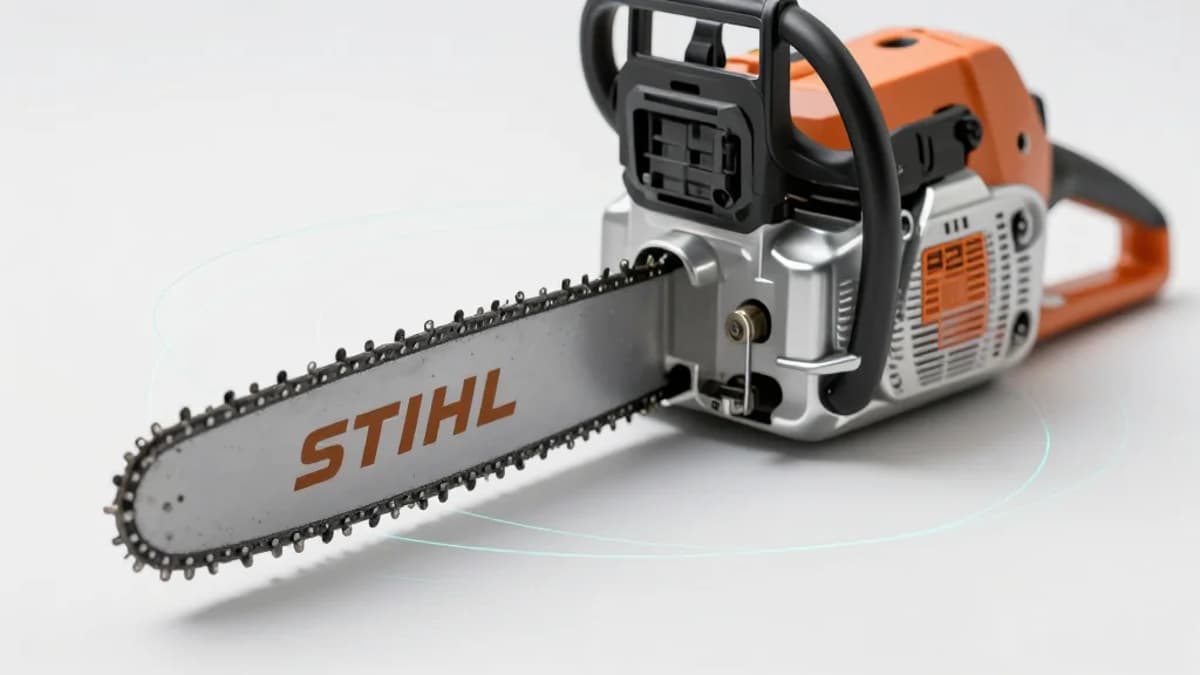
STIHL Launches B2B Marketplace Using Mirakl
•March 5, 2026
0
Why It Matters
The move proves that legacy manufacturers can digitize sales without bypassing their dealer ecosystem, strengthening dealer competitiveness and capturing online demand. It also highlights the growing relevance of B2B marketplace solutions like Mirakl in traditional industries.
Key Takeaways
- •STIHL uses Mirakl to launch dealer‑fulfilled B2B marketplace
- •Over 10,000 US dealers will fulfill online orders
- •Onboarding continues through 2026, expanding dealer participation
- •Customers can pick up orders; delivery options planned later
- •Marketplace preserves exclusive dealer channel while adding digital sales
Pulse Analysis
STIHL’s decision to layer a Mirakl‑powered marketplace onto its existing dealer network reflects a broader shift among equipment manufacturers toward hybrid distribution models. By keeping fulfillment in the hands of independent dealers, the company safeguards the personalized service and local expertise that have defined its brand for decades, while simultaneously offering a modern, searchable online catalog that meets the expectations of today’s professional customers.
The technical backbone provided by Mirakl enables rapid dealer onboarding, integrated payment processing, and real‑time inventory visibility across thousands of locations. For dealers, the platform supplies a turnkey digital storefront, reducing the need for costly in‑house ecommerce development. For end‑users, it delivers a seamless purchasing experience—browse, order, and pick up at a nearby authorized retailer—while preserving the option for future home delivery as the service scales.
Industry analysts view this rollout as a bellwether for B2B ecommerce growth. As marketplace operators like Mirakl achieve profitability through recurring revenue and expanding transaction volumes, more legacy brands are likely to adopt similar models to stay competitive. The STIHL case illustrates how manufacturers can leverage third‑party technology to modernize sales channels without eroding the dealer relationships that remain critical to market penetration and after‑sales support.
STIHL launches B2B marketplace using Mirakl
0
Comments
Want to join the conversation?
Loading comments...