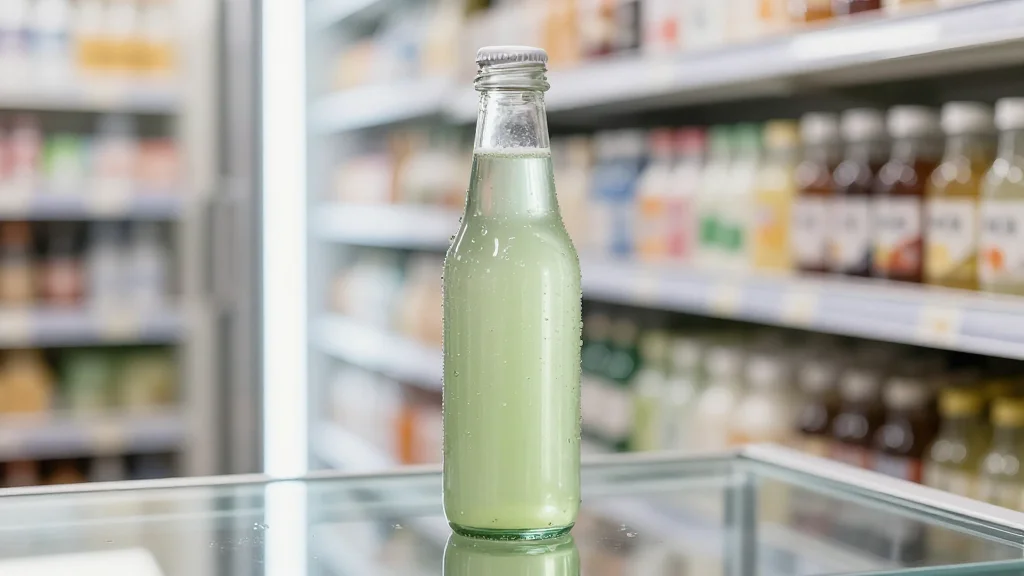
Target Secures 72 New Minnesota Licenses to Expand THC‑Infused Hemp Drinks

Companies Mentioned
Why It Matters
Target’s expansion signals a shift in how mainstream retailers approach cannabis‑derived categories, moving from experimental pilots to state‑wide rollouts. If successful, the model could encourage other big‑box chains to seek similar licenses, accelerating the normalization of low‑THC beverages and reshaping consumer expectations around where such products can be purchased. The initiative also serves as a litmus test for Target’s broader turnaround plan. Restoring shopper confidence after high‑profile controversies requires tangible wins, and a differentiated product offering like THC‑infused drinks may attract a younger demographic while generating incremental revenue to help close the 2025 sales gap.
Key Takeaways
- •Target obtained 72 new Minnesota licenses on April 1, enabling THC‑infused drinks in every state store.
- •Drinks are limited to 5 mg THC per serving, sold to customers 21+ behind separate liquor entrances.
- •2025 net sales fell 1.7% to $104.8 billion; comparable sales down 2.6%, prompting a $5 billion turnaround plan.
- •New CEO Michael Fiddelke, appointed early 2026, is steering the expansion as part of a broader brand recovery.
- •Federal law changes in November 2025 tightened hemp THC limits, creating regulatory uncertainty for the $28 billion industry.
Pulse Analysis
Target’s decision to double down on THC‑infused hemp drinks reflects a calculated bet that niche, high‑margin categories can offset broader sales weakness. The retailer’s massive footprint gives it a distribution advantage that smaller specialty shops lack, allowing it to set pricing and shelf‑space standards that could shape consumer perception of cannabis‑derived beverages. By confining the product to liquor‑store sections with separate entrances, Target mitigates the risk of brand dilution while still leveraging its core traffic.
Historically, large retailers have been cautious about entering regulated categories, fearing backlash or compliance headaches. However, the post‑pandemic era has seen a surge in experiential shopping and a blurring of lines between food, beverage and wellness. Target’s rollout aligns with this trend, offering a low‑THC option that appeals to casual users without the stigma of higher‑potency cannabis. If sales data from Minnesota show strong uptake, the model could be exported to other states where licensing is available, potentially prompting a wave of similar moves from Walmart, Costco and regional chains.
The broader hemp market faces a crossroads. The 2025 federal amendment reduces the THC ceiling per container, which could shrink the product pool but also clarifies compliance pathways. Target’s early adoption may give it a first‑mover edge, allowing it to lock in shelf space and brand partnerships before competitors catch up. Yet the one‑year license term adds pressure: the retailer must quickly prove profitability or risk losing the permits. Success would validate a diversification strategy that blends traditional retail fundamentals with emerging cannabis trends; failure could reinforce the cautionary tale of overextending into volatile regulatory terrain.
Target Secures 72 New Minnesota Licenses to Expand THC‑Infused Hemp Drinks
Comments
Want to join the conversation?
Loading comments...