Tesco Switches From Barcodes to QR Codes in ‘Revolutionary’ Move
Companies Mentioned
Why It Matters
The move gives Tesco granular data to optimise inventory and reduce waste, while offering consumers a digital layer of product transparency that could reshape grocery shopping standards.
Key Takeaways
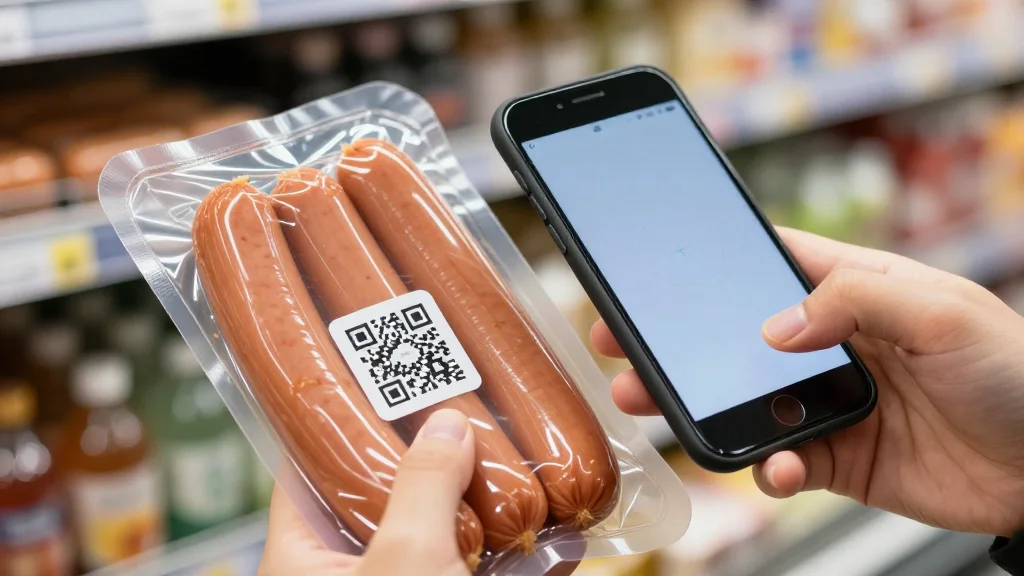
- •Tesco replaces barcodes with QR codes on 13 own‑brand sausage lines
- •QR codes let shoppers view nutrition, traceability, recipes via smartphones
- •Real‑time data improves Tesco’s stock ordering and reduces waste
- •Batch‑level tracking enables precise recalls, avoiding broad product pulls
- •Digital engagement opens new marketing and loyalty opportunities for Tesco
Pulse Analysis
The adoption of QR codes on grocery packaging marks a significant evolution in the retail tech landscape. While barcodes have served as the backbone of inventory management for decades, QR technology offers a two‑way communication channel that can be read instantly by any smartphone. Retailers worldwide are experimenting with QR overlays to bridge the physical‑digital divide, and Tesco’s rollout on its own‑brand sausages positions the UK giant at the forefront of this shift, signaling that large‑scale implementation is now commercially viable.
From an operational perspective, QR codes provide Tesco with granular, real‑time data that can be fed directly into its demand‑forecasting algorithms. By linking each scan to a specific batch, the retailer can monitor sales velocity, shelf life and regional preferences with unprecedented precision. This insight translates into tighter stock control, reduced over‑ordering and, crucially, a measurable decline in food waste—a priority for both cost management and sustainability commitments. Moreover, in the event of a safety recall, the ability to isolate affected batches at the point of sale eliminates the need for blanket product removals, protecting brand reputation and preserving revenue.
For consumers, the QR overlay transforms a routine checkout into an interactive experience. Shoppers can instantly retrieve detailed nutritional profiles, trace the provenance of ingredients, or unlock exclusive recipes and promotions, all without altering the traditional payment flow. This added layer of transparency aligns with growing demand for ethical and health‑focused purchasing decisions. As Tesco gathers usage metrics, it can refine personalized marketing, loyalty incentives, and even dynamic pricing strategies. In the broader market, the success of this pilot could accelerate QR adoption across other product categories, prompting competitors to follow suit and reshaping the digital future of grocery retail.
Tesco switches from barcodes to QR codes in ‘revolutionary’ move
Comments
Want to join the conversation?
Loading comments...