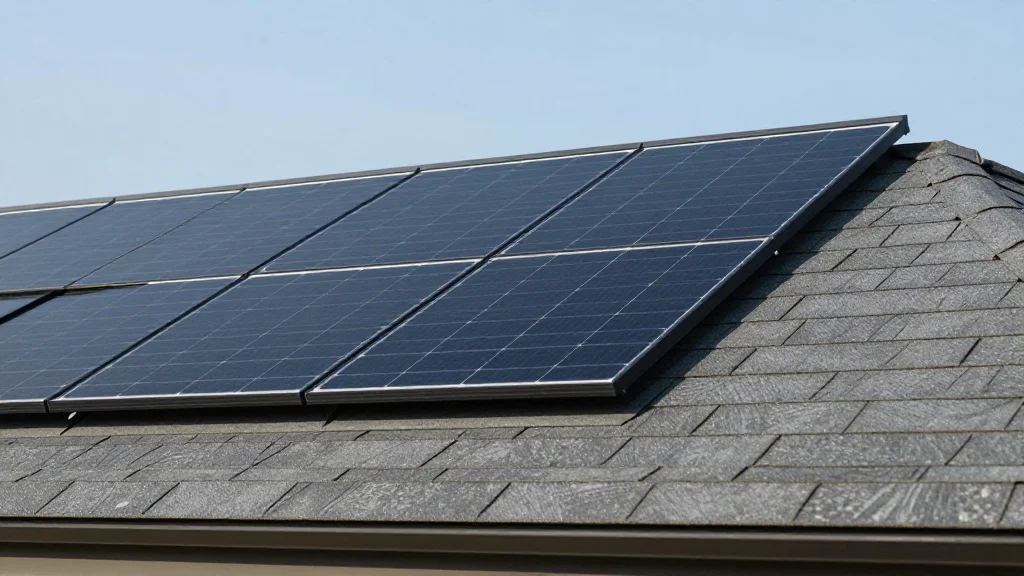
Tesla's Solar Roof Stalls, Shifts Focus to Conventional Panels

Companies Mentioned
Why It Matters
The Solar Roof was a cornerstone of Tesla’s consumer‑energy vision, promising a high‑margin, differentiated product in the residential solar market. Its failure highlights the difficulty of scaling innovative hardware in a market dominated by established installers and thin profit margins. By retreating to conventional panels, Tesla may preserve cash flow but also cedes a potential competitive edge in the fast‑growing home‑energy retail space. For homeowners, the shift means fewer choices for integrated roof‑solar solutions and a reliance on third‑party installers, potentially raising costs and complicating service. For investors, the move signals a pragmatic correction but also raises concerns about Tesla’s ability to deliver on its broader energy ambitions.
Key Takeaways
- •Tesla installed ~3,000 Solar Roof systems, far below the 1,000‑per‑week target set in 2016.
- •Peak deployment in Q2 2022 was 2.5 MW per quarter, about 23 roofs per week.
- •Customer‑service rating for Solar Roof stands at 2.6/5 on SolarReviews.
- •Tesla laid off 285 employees at its Buffalo solar factory in the 2024 workforce reduction.
- •The company is now directing new residential customers to conventional solar panels.
Pulse Analysis
Tesla’s Solar Roof saga underscores a classic tension between visionary product design and the economics of mass retail. The original promise—integrated, aesthetically pleasing solar tiles—required a dedicated manufacturing line, a specialized installer network, and a high price point that could be justified only by scale. Without the volume to amortize tooling costs, the unit economics quickly turned negative, prompting the company to cut back on staffing and shift focus.
Historically, the residential solar market has been driven by local installers who bundle panels, financing, and maintenance. Tesla’s attempt to bypass that model with a vertically integrated offering was bold but underestimated the entrenched distribution channels and the regulatory complexities of roofing work. The pivot back to standard panels is a tacit admission that Tesla’s competitive advantage lies more in battery storage and software than in hardware differentiation for roofs.
Looking ahead, Tesla’s energy retail strategy will likely double down on its strengths: large‑scale storage (Megapack), home battery (Powerwall), and software‑driven energy management. The Solar Roof’s decline may free capital for these higher‑margin segments, but it also leaves a gap in the consumer‑facing product lineup that competitors like Sunrun and Vivint can exploit. If Tesla can streamline its panel sales and integrate them tightly with its storage ecosystem, it may still capture a sizable share of the residential solar market, albeit without the headline‑grabbing roof tiles that once defined its brand.
Tesla's Solar Roof Stalls, Shifts Focus to Conventional Panels
Comments
Want to join the conversation?
Loading comments...