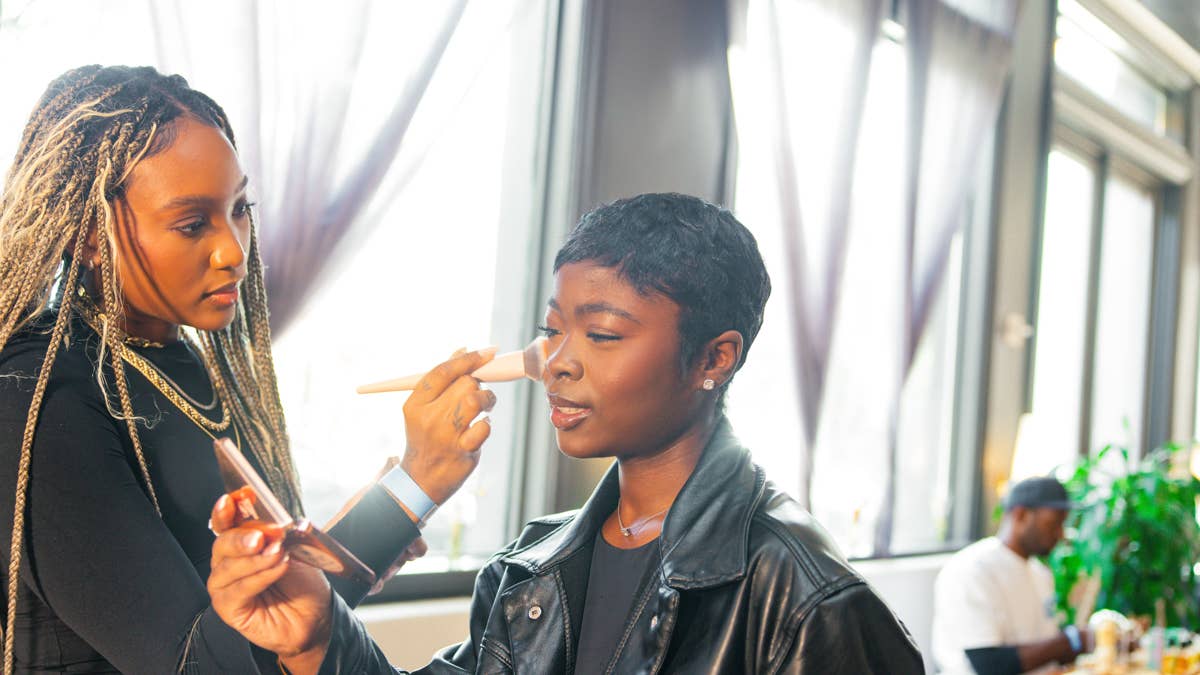
The Black Beauty Club Is Turning a Block Party Into a Shopping and Discovery Experience
Companies Mentioned
Why It Matters
By creating direct, community‑focused retail spaces, the event gives underserved Black beauty brands a platform to build trust, drive sales, and gather real‑time consumer feedback, signaling a shift toward inclusive, experiential marketing in the beauty sector.
Key Takeaways
- •Beauty on the Block launches NYC June 21, Chicago Aug 8
- •Event offers free live shopping for Black beauty brands and services
- •Cash App and Square sponsor, providing discounts via Cash App Card
- •Founder targets cultural hubs to boost brand access and consumer trust
- •Live block parties aim to fill infrastructure gap for Black beauty market
Pulse Analysis
In‑person brand activations are experiencing a renaissance, and the beauty industry is no exception. While major retailers like Ulta and Sephora have staged large‑scale pop‑ups, Black‑focused brands have often been sidelined. The Black Beauty Club’s Beauty on the Block fills that void by converting public plazas in Harlem and Chicago’s West Loop into open‑air marketplaces where consumers can test products, book services, and interact directly with founders. This community‑centric model leverages the cultural gravitas of these neighborhoods, turning a simple block party into a strategic sales channel.
The event’s operational backbone is powered by Square’s point‑of‑sale system, ensuring seamless transactions for dozens of emerging vendors. Cash App’s sponsorship adds a digital incentive layer: attendees who pay with the Cash App Card receive exclusive discounts, driving both foot traffic and app usage. For brands lacking extensive retail distribution or hefty ad budgets, the live setting offers an unparalleled opportunity to showcase product efficacy, collect immediate feedback, and forge lasting consumer relationships that digital ads alone cannot achieve.
Beyond the immediate sales boost, Beauty on the Block could reshape how the beauty sector approaches diversity and inclusion. By proving that immersive, community‑driven experiences generate measurable ROI, the model may inspire larger players to allocate more resources toward Black‑owned brands and culturally resonant events. As the industry seeks authentic engagement in a saturated market, the success of these block‑party marketplaces may become a blueprint for future experiential marketing strategies.
The Black Beauty Club Is Turning a Block Party Into a Shopping and Discovery Experience
Comments
Want to join the conversation?
Loading comments...