The Buzziest New Restaurant Is the Grocery Store
Companies Mentioned

Why It Matters
The trend blurs the line between grocery and restaurant, forcing eateries to rethink pricing and service while giving retailers a high‑margin growth avenue. It also reshapes consumer spending patterns, pulling discretionary food dollars into the grocery aisle.
Key Takeaways
- •Sam's Club adds fresh meals, targeting time‑pressed shoppers
- •Walmart's rotisserie chicken feeds four for under $10
- •Ready‑to‑eat sales replace about 25% of restaurant orders
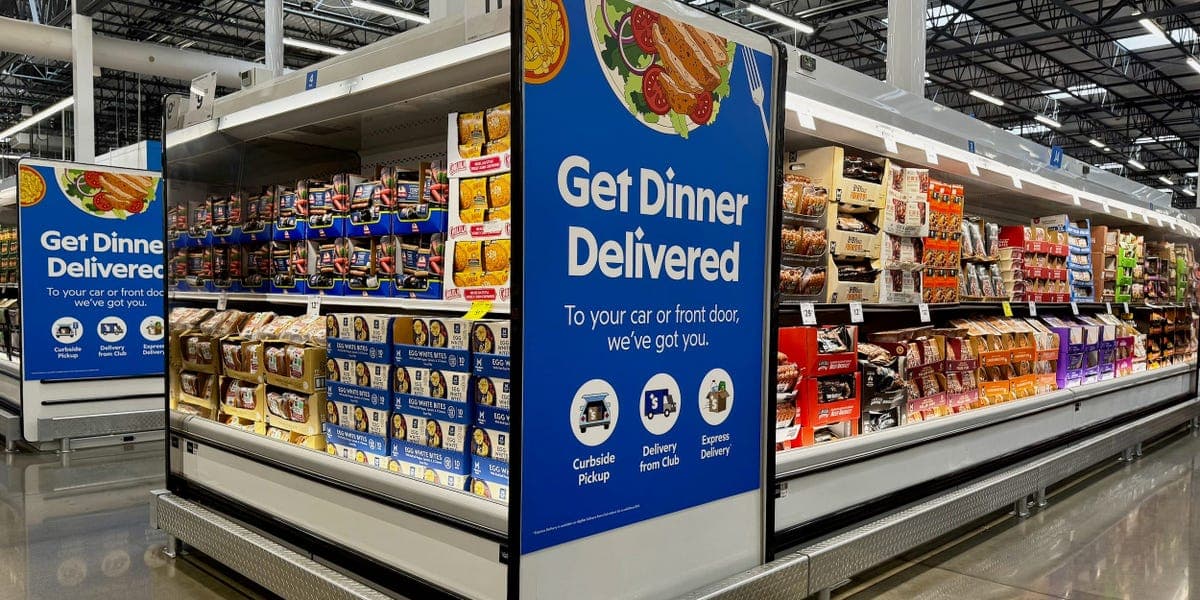
- •30‑minute grocery delivery now rivals DoorDash and Uber Eats
- •Younger shoppers drive fastest growth in prepared‑food purchases
Pulse Analysis
The ready‑to‑eat revolution is a natural outgrowth of two macro forces: persistent inflation in restaurant pricing and the acceleration of e‑commerce logistics. As diners confront higher menu costs, they gravitate toward grocery‑store meals that promise restaurant‑level flavor at a fraction of the price. Chains that once focused solely on bulk staples are now curating hot bars, rotisserie chickens, and even sushi, turning the traditional grocery trip into a one‑stop dining solution.
Walmart’s Sam Club is leading the charge by pairing an expanded fresh‑food portfolio with an express delivery model that promises 30‑minute fulfillment. By bundling items like pre‑chopped fruit trays and multi‑serve entrees, the retailer not only boosts basket size but also captures the convenience premium that once belonged to DoorDash or Uber Eats. The pricing strategy—family‑size meals under $10—appeals to budget‑conscious families while still delivering a perceived value advantage over fast‑casual venues.
Industry analysts see this shift as a structural re‑allocation of consumer spend. McKinsey’s latest report flags prepared foods as one of the top three themes reshaping grocery, alongside AI‑driven personalization and retail media. Younger consumers, who are comfortable ordering online and value speed, are the primary adopters, signaling that the trend will only intensify. As grocery chains refine their supply chains and invest in kitchen‑scale operations, the competitive landscape will force traditional restaurants to innovate or risk losing a growing slice of the meal‑occasion market.
The buzziest new restaurant is the grocery store
Comments
Want to join the conversation?
Loading comments...