Why It Matters
Understanding this mindset helps marketers design pricing and communication strategies that resonate with value‑seeking shoppers, reducing refund risk and building brand loyalty.
Key Takeaways
- •Indian shoppers chase perceived value, not just low price
- •Refund expectations rise when product quality feels uncertain
- •Natural variability makes vendor promises hard to guarantee
- •Bargain hunting can distort true utility of purchases
- •Brands must align messaging with experiential value, not cost alone
Pulse Analysis
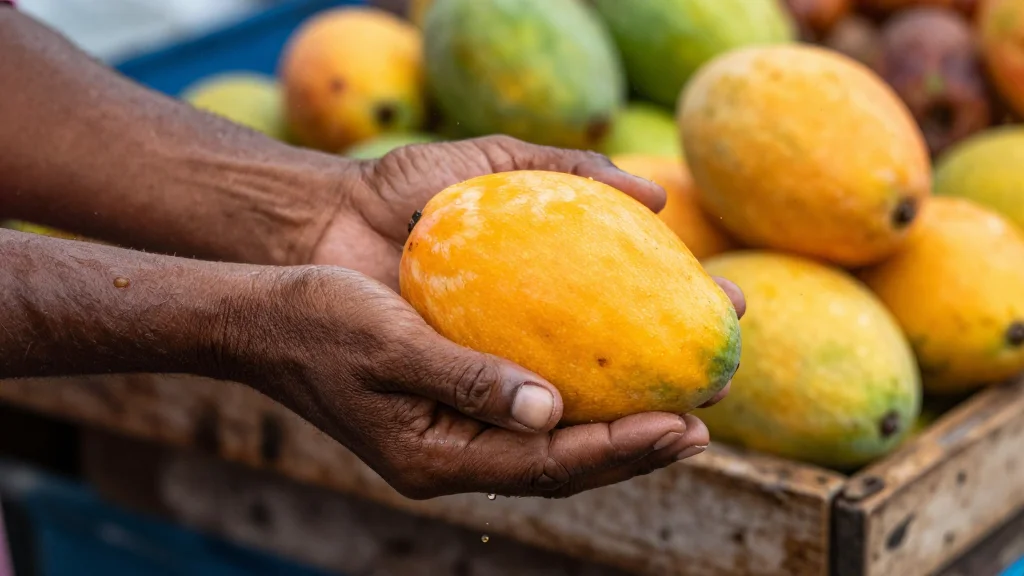
Consumer behavior in India often hinges on the psychological payoff of a bargain rather than the absolute price paid. The anecdote of a gentleman demanding a refund if a fruit isn’t sweet captures a broader truth: shoppers measure value by the cost reduction they achieve, even when product quality is inherently variable. This mindset is amplified by cultural narratives that celebrate thrift and by the everyday uncertainty of natural goods, making the promise of consistent quality a challenging sales proposition.
For businesses, the implication is clear—price alone cannot sustain loyalty. Companies must weave experiential value into their brand story, offering guarantees, transparent quality cues, and post‑purchase support that mitigate the fear of an unsatisfactory outcome. Refund policies, while costly, become a trust‑building tool when framed as part of a customer‑first ethos. Moreover, marketers should shift messaging from “lowest price” to “maximum benefit,” emphasizing how the product enhances the consumer’s life beyond the transaction.
The trend extends into digital commerce, where data‑driven personalization can predict which consumers are most price‑sensitive and tailor offers that balance cost savings with perceived quality. By leveraging reviews, real‑time feedback, and AI‑based quality assessments, brands can reduce the uncertainty that fuels refund demands. Ultimately, aligning pricing strategy with the nuanced definition of value—where emotional satisfaction meets tangible benefit—creates a resilient competitive edge in a market that prizes both thrift and trust.
The Cost of a Bargain
Comments
Want to join the conversation?
Loading comments...