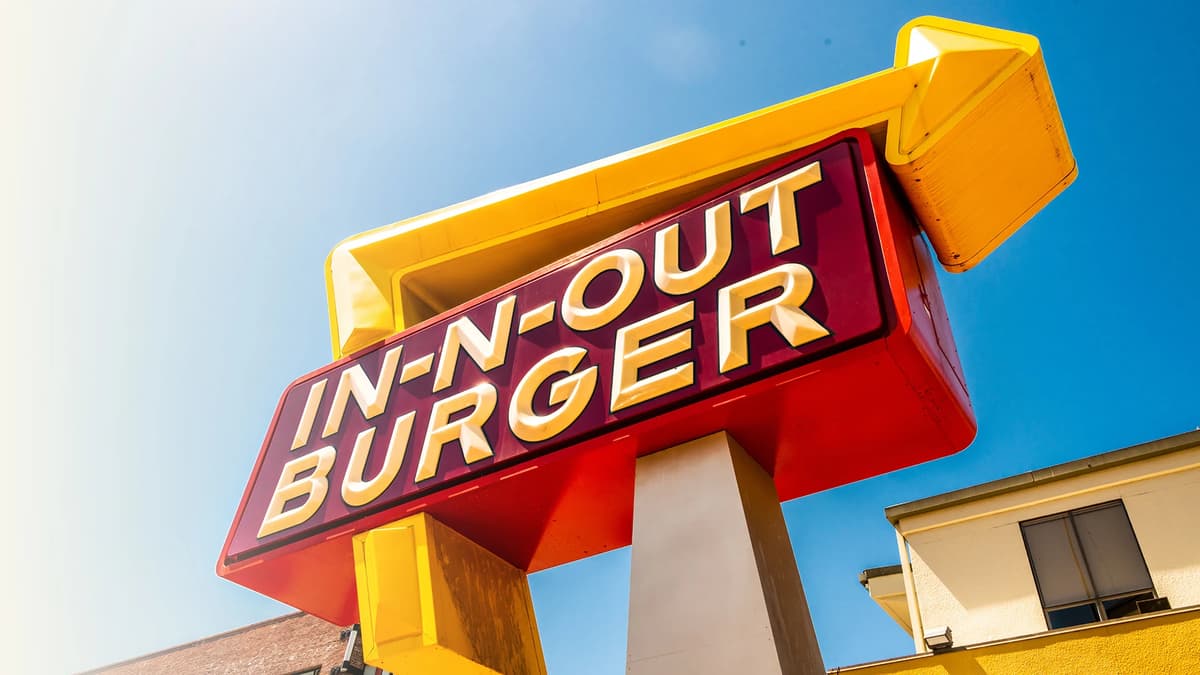
The Customer Experience Strategy Behind In-N-Out’s Success
Companies Mentioned
Why It Matters
By prioritizing human service over technology, In‑N‑Out reinforces its differentiated brand experience, potentially boosting customer loyalty and sustaining premium pricing in a crowded fast‑food market.
Key Takeaways
- •In‑N‑Out rejects mobile ordering, delivery apps, and automation.
- •Company adds staff with tablets to take drive‑thru orders personally.
- •President Lynsi Snyder‑Ellingson says human interaction defines brand.
- •All locations are company‑owned across ten states, ensuring consistent experience.
Pulse Analysis
In‑N‑Out’s refusal to adopt the prevailing wave of digital ordering reflects a calculated bet on the intangible value of human connection. While competitors pour resources into AI chatbots and app‑based loyalty programs, the burger chain has equipped its drive‑thru staff with handheld tablets, allowing employees to greet customers, take orders, and deliver the brand’s signature smile before the vehicle even reaches the window. This tactile approach leverages the psychological principle that personal interaction heightens perceived service quality, translating into longer dwell times and higher average ticket sizes.
The strategic choice also aligns with In‑N‑Out’s unique operational model: every restaurant is company‑owned across ten states, giving the leadership tight control over labor practices and brand standards. By keeping the ordering process human‑centric, the company sidesteps the costly integration of third‑party delivery platforms that can erode margins and dilute brand perception. Moreover, the move shields In‑N‑Out from the data‑privacy complexities and technology maintenance overhead that accompany large‑scale automation, allowing it to focus capital on product consistency and employee wages.
Industry analysts view In‑N‑Out’s stance as a differentiator that could inspire a niche resurgence of “human‑first” fast‑food concepts. As consumers grow weary of impersonal digital interfaces, the chain’s emphasis on warmth and immediacy may attract a segment willing to tolerate longer lines for a more personable experience. This could pressure rivals to re‑evaluate the balance between efficiency and engagement, potentially reshaping the fast‑food landscape where technology and human service coexist rather than compete.
The Customer Experience Strategy Behind In-N-Out’s Success
Comments
Want to join the conversation?
Loading comments...