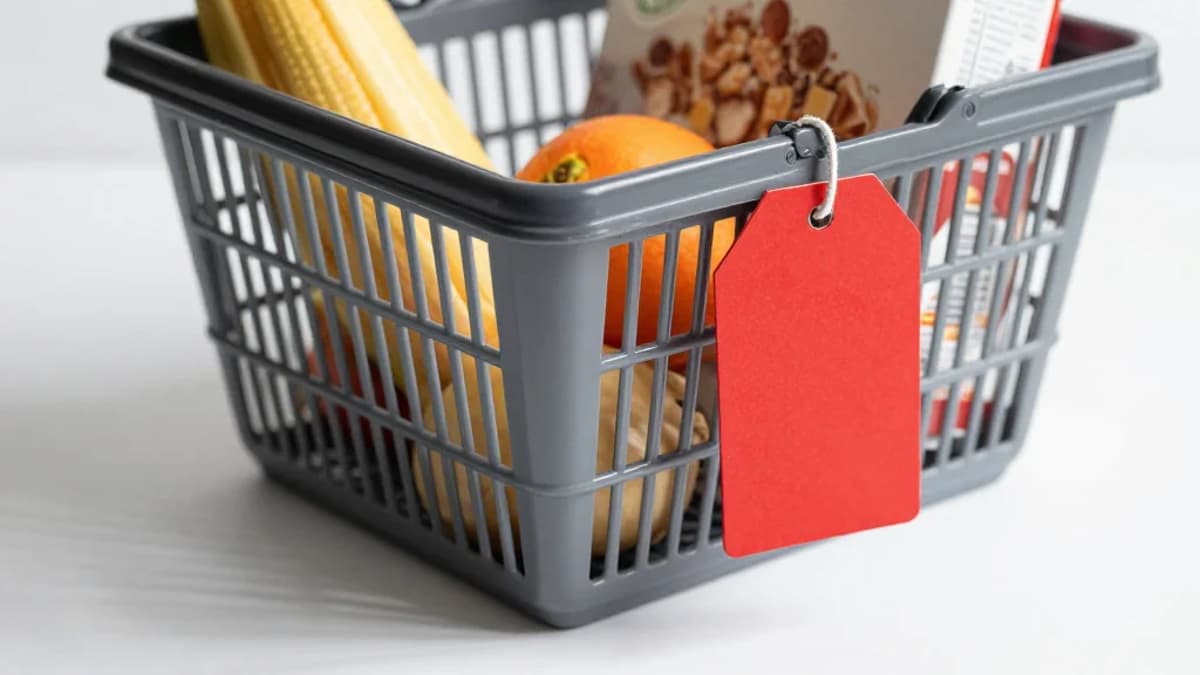
‘The Right Types of Promotions’: Woolies Lures Customers Back with Lower Prices
•February 25, 2026
0
Why It Matters
The turnaround signals that aggressive price promotions can restore shopper confidence amid lingering inflation, while regulatory scrutiny could shape future discount strategies across the sector.
Key Takeaways
- •Woolworths sales up 3.4% to $37.1 bn H1.
- •Group earnings rose 14.4% to $1.66 bn.
- •Lower Shelf Price program expanded to 800 products.
- •Shares surged over 11% on stronger-than-expected results.
- •ACCC will review Woolworths discounts in April court.
Pulse Analysis
Australian consumers are increasingly price‑sensitive after two years of high inflation, prompting Woolworths to double‑down on everyday‑low‑price promotions. By extending its Lower Shelf Price program to 800 staple items, the chain aims to simplify price comparison and win back shoppers who have drifted to competitors. This strategy mirrors Coles’ Every Day pricing, but Woolworths emphasizes “right‑type” promotions that target family baskets, a move designed to boost basket size and visit frequency.
The financial impact of the pricing push is evident. First‑half revenue climbed to $37.1 billion, while group earnings jumped 14.4% to $1.66 billion, and net profit rose 16.4% to $859 million. Management leveraged the stronger results to raise the interim dividend by 15.4% to 45 cents per share, a signal of confidence that resonated with investors, lifting the stock more than 11%. Cost‑cutting initiatives, including a $400 million efficiency program, further bolstered margins and provided headroom for the expanded promotional spend.
However, the aggressive discounting agenda faces regulatory headwinds. The ACCC plans to scrutinize Woolworths’ specials in an April Federal Court hearing, echoing earlier actions against alleged “illusory” discounts. While the current uplift suggests the promotions are effective, sustained success will depend on navigating legal challenges and maintaining price discipline without eroding brand equity. Analysts expect the momentum to continue into the second half, provided inflation eases and the retailer can balance promotional intensity with profitability.
‘The right types of promotions’: Woolies lures customers back with lower prices
0
Comments
Want to join the conversation?
Loading comments...