The Thrift Shift: Majority of Canadians Plan to Shop Second-Hand This Year
Why It Matters
The shift signals a sizable new demand channel for resale and charitable retailers, reshaping consumer spending amid inflation and sustainability concerns. It also offers a growth lever for non‑profits that can monetize surplus goods while supporting affordable housing initiatives.
Key Takeaways
- •60% of Canadians plan to buy second‑hand this year
- •68% thrift primarily to save money
- •83% say thrifting makes economic sense amid cost‑of‑living pressures
- •70%+ consider thrifting furniture, kitchenware, and home décor
- •61% prefer charitable‑run thrift stores for purchases
Pulse Analysis
The Canadian thrift surge mirrors a broader North American pivot toward pre‑owned goods as households grapple with stagnant wages and rising expenses. While the United States has long championed resale culture, Canada’s latest data reveals a more urgent, cost‑driven motivation: 68% of shoppers cite savings as the primary catalyst. At the same time, environmental awareness fuels the trend, with 83% affirming that thrifting aligns with waste‑reduction goals. This dual‑driver dynamic creates a fertile market for retailers that can blend affordability with sustainability messaging.
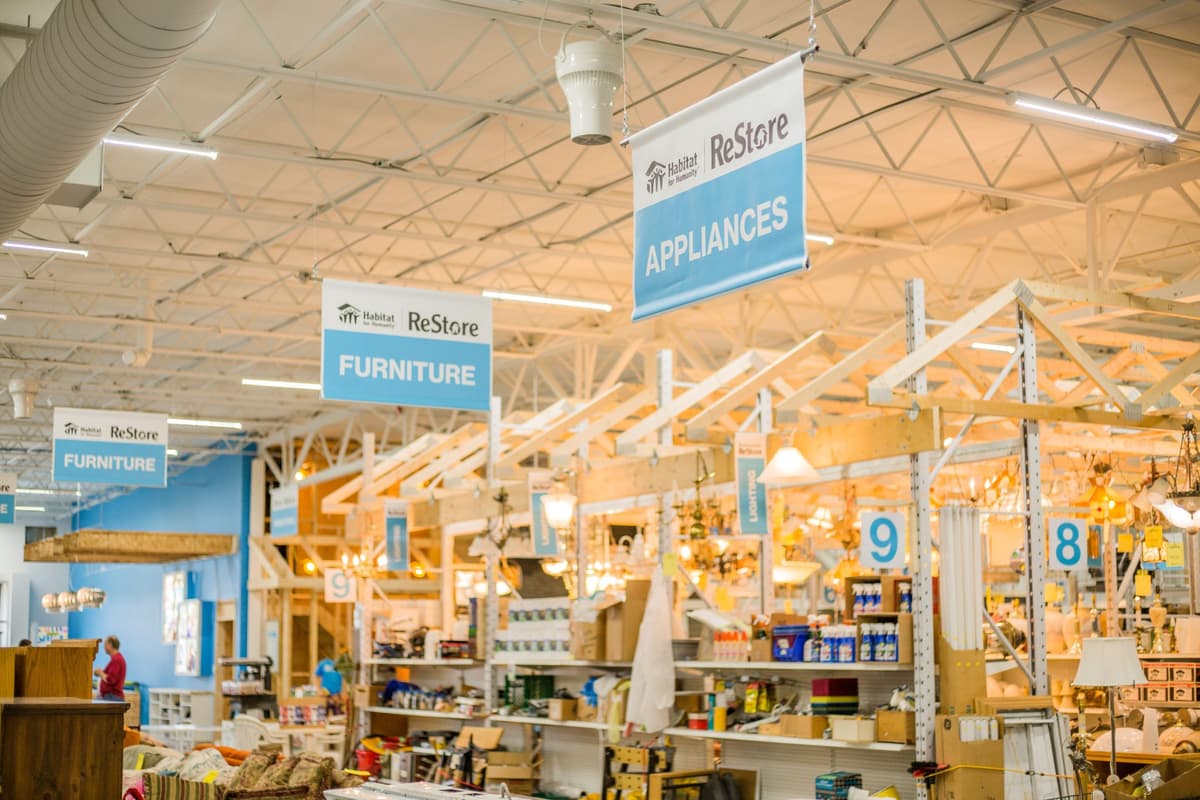
Habitat for Humanity’s ReStore network is uniquely positioned to capture this momentum. The survey highlights strong consumer appetite for high‑value home categories—72% for furniture, 74% for kitchenware, and over 80% for renovation materials like cabinets and lighting. By offering a mix of gently used and new items, ReStore not only satisfies price‑sensitive buyers but also channels proceeds to affordable‑housing projects. The organization’s plan to expand locations across Canada reflects confidence that proximity and community ties are decisive factors, with 61% of respondents favoring charitable‑run stores.
For traditional retailers and emerging resale platforms, the data underscores an opportunity to integrate second‑hand sections into existing footprints or launch dedicated online marketplaces. Supply chains can be re‑engineered to source surplus inventory, while marketing can emphasize the twin benefits of cost savings and environmental impact. Companies that act swiftly to meet the 60%‑plus consumer intent may secure lasting loyalty and tap into a growing segment that is reshaping the retail landscape.
The Thrift Shift: Majority of Canadians plan to shop second-hand this year
Comments
Want to join the conversation?
Loading comments...