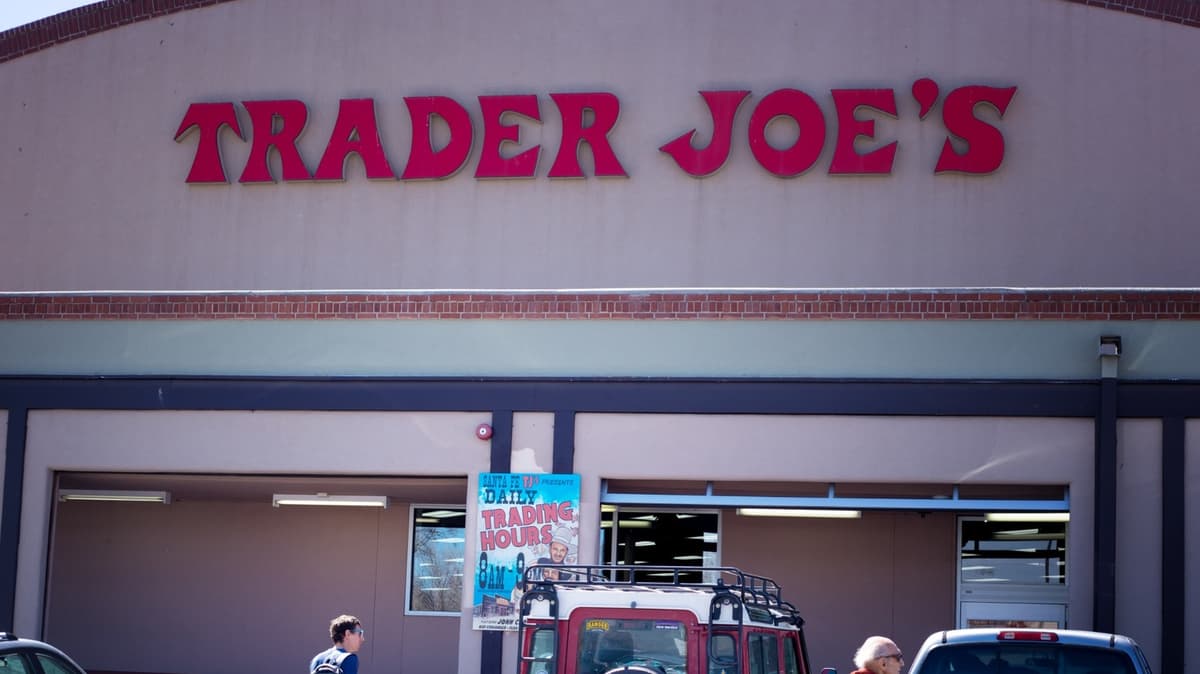
The Worst Trader Joe's Locations To Shop At According To Customers
Why It Matters
Chronic congestion erodes customer experience, potentially driving shoppers to competitors or alternative channels, and highlights the operational risk of inadequate store design for high‑traffic retailers.
Key Takeaways
- •72nd Street NYC: endless lines, confusing multi‑level layout.
- •Coolidge Corner MA: only two dozen parking spots, constant circling.
- •Union Square NYC store feels like a convenience shop, causing aisle‑wide queues.
- •Silver Lake LA lot backs onto Hyperion Ave, creating city‑wide traffic jams.
- •Denver 8th & Colorado lot is a ‘postage stamp’, deterring drivers.
Pulse Analysis
Trader Joe’s has cultivated a cult following for its unique product mix, yet the brand’s rapid expansion into dense urban neighborhoods has exposed a logistical Achilles’ heel. By mining crowdsourced platforms—Reddit threads, Yelp reviews, and local forums—analysts identified a repeatable set of complaints: long checkout lines, maze‑like store footprints, and insufficient self‑service options. These pain points are amplified in flagship locations where foot traffic outpaces the physical capacity of the store, turning a routine grocery run into a time‑consuming ordeal.
The most glaring friction points stem from external infrastructure. In markets like Boston’s Coolidge Corner, Los Angeles’ Silver Lake, and Denver’s 8th & Colorado, parking lots are either undersized or poorly configured, leading to street‑wide congestion and safety hazards. Inside, narrow aisles and cramped layouts—exemplified by Union Square’s “convenience‑store” feel—create bottlenecks that spill into the checkout area, further inflating wait times. Such spatial constraints not only diminish shopper satisfaction but also strain staff efficiency, as employees juggle crowd control with stocking duties.
For retailers, the lesson is clear: brand equity can be quickly eroded by subpar site planning. Investing in redesigns that prioritize wider aisles, additional self‑checkout kiosks, and smarter parking solutions can recapture lost goodwill. Moreover, dynamic pricing or off‑peak promotions may redistribute demand, easing peak‑hour pressure. As the grocery sector grapples with e‑commerce competition, ensuring a seamless in‑store experience remains a critical differentiator for legacy chains like Trader Joe’s.
The Worst Trader Joe's Locations To Shop At According To Customers
Comments
Want to join the conversation?
Loading comments...