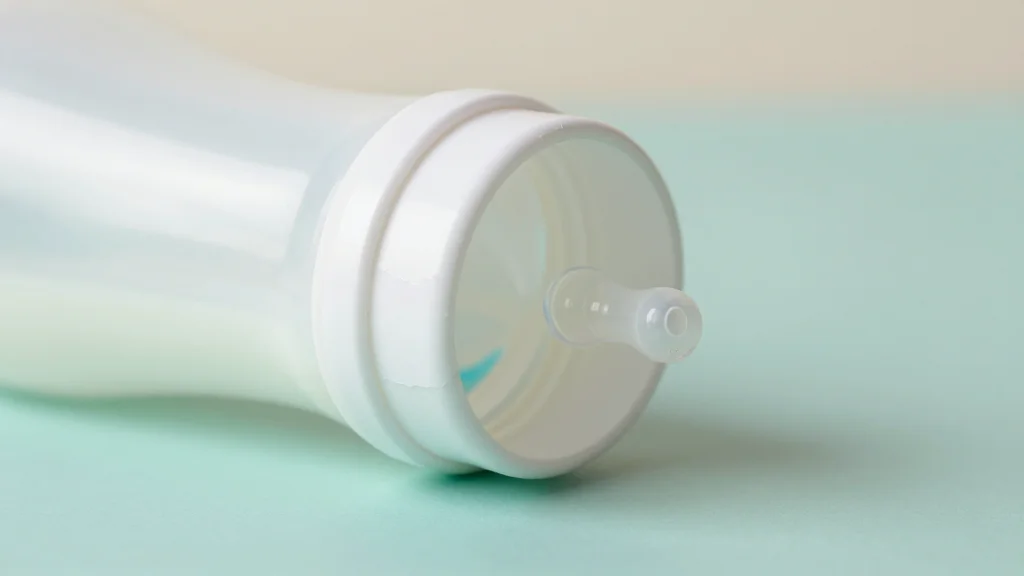
TOMY Recalls 40,000 Boon NURSH Baby Bottles Sold at Walmart After Choking‑hazard Reports

Companies Mentioned
Why It Matters
Product recalls at major retailers can erode consumer confidence, especially in categories involving infants and toddlers where safety expectations are highest. The Boon NURSH recall highlights the ripple effect of a manufacturing defect: it forces a large retailer to halt sales, manage inventory disruptions, and allocate resources to customer outreach. For the broader retail sector, the incident serves as a reminder that rigorous supplier vetting and real‑time monitoring of consumer feedback are essential to mitigate financial and reputational damage. The recall also illustrates how quickly a localized defect can become a national issue when a product is sold through a dominant channel like Walmart. As retailers increasingly rely on global supply chains, the need for tighter cross‑border quality assurance and faster recall mechanisms will likely intensify, shaping future procurement and risk‑management strategies across the industry.
Key Takeaways
- •TOMY recalls ~40,000 Boon NURSH 8‑oz baby bottles sold at Walmart.
- •135 consumer reports of plastic shell bubbling or peeling; no injuries reported.
- •Recall covers three‑pack pink tie‑dye bottles sold Nov 2025‑May 2026 for about $20 each.
- •Walmart offers $22 store credit or replacement set in a different color.
- •Estimated sales impact of roughly $800,000 plus additional removal and customer‑service costs.
Pulse Analysis
The Boon NURSH recall underscores a growing tension between cost‑driven global sourcing and the uncompromising safety standards demanded by U.S. consumers. Historically, large‑scale recalls have forced retailers like Walmart to reassess their vendor qualification processes, often leading to stricter contractual clauses around quality audits and faster defect reporting. In this case, the defect originated from a hard‑plastic shell—a component that may have escaped earlier inspections due to its seemingly minor role in the overall product design. The incident could prompt a shift toward more robust material testing, especially for items intended for infants.
From a market perspective, the recall may temporarily benefit competing baby‑bottle brands that can position themselves as safer alternatives. However, the longer‑term effect on TOMY hinges on its ability to restore trust through transparent communication and demonstrable improvements in manufacturing oversight. Walmart’s swift removal and public statement mitigate immediate brand damage, but the retailer must also manage the downstream inventory gap, which could open shelf space for rivals. As consumers become more vigilant, retailers that can quickly flag and act on safety concerns will likely retain a competitive edge.
Looking forward, regulators may push for enhanced real‑time reporting mechanisms, leveraging digital platforms to capture consumer complaints faster. Retailers could adopt AI‑driven monitoring tools that flag abnormal spikes in product‑related complaints, enabling pre‑emptive action before a defect reaches the scale seen here. The Boon NURSH episode may thus accelerate the adoption of such technologies across the retail ecosystem, reshaping how product safety is managed in an increasingly interconnected supply chain.
TOMY recalls 40,000 Boon NURSH baby bottles sold at Walmart after choking‑hazard reports
Comments
Want to join the conversation?
Loading comments...